
The Role of Plastic Injection Molding Machines in the Manufacturing Industry
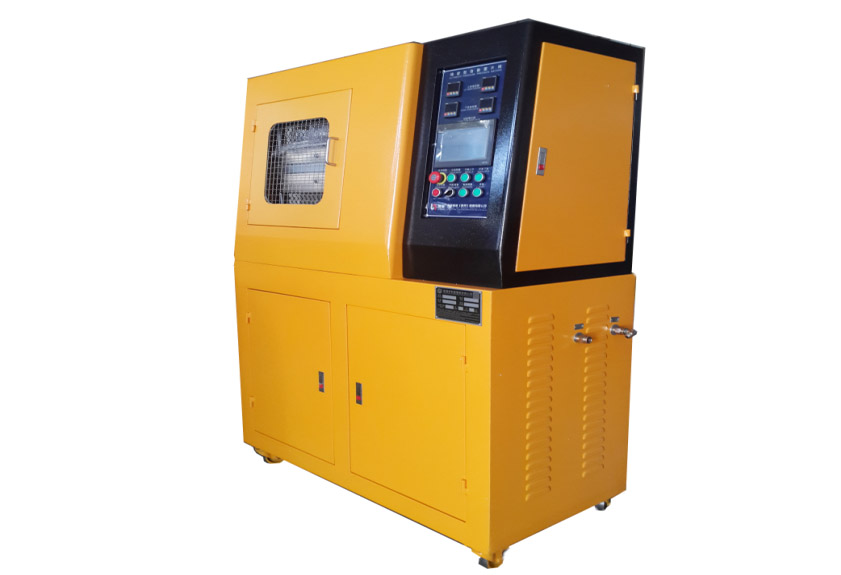
Plastic injection molding machines are an essential tool in the manufacturing industry, particularly in the plastics sector. These machines use high-pressure water to inject molten plastic into a mold, creating a precise and uniform product. They are widely used for producing products such as toys, electronics, and automotive parts.
One of the key benefits of using plastic injection molding machines is their ability to produce complex shapes with minimal waste. This is achieved through the use of computer-controlled software that allows for precise control over the injection process. This results in products with tight tolerances and consistent quality from batch to batch.
Another advantage of these machines is their speed and efficiency. They can produce large quantities of products quickly, which is particularly important in the fast-paced world of today's manufacturing industry. Additionally, they are energy-efficient, reducing costs associated with labor and raw materials.
However, the use of plastic injection molding machines also comes with some challenges. One of the most significant concerns is the environmental impact of producing plastic products. While there are efforts being made to reduce the use of single-use plastics, the production of new plastics still has a significant carbon footprint.
Another challenge is the need for skilled labor. The precision required in the injection molding process requires a high level of skill and expertise, which can be difficult to find in some industries. Additionally, the cost of training workers in this field can be prohibitive for small businesses.
Overall, plastic injection molding machines play a crucial role in the manufacturing industry, providing efficient and accurate production of plastic products. However, it is important to consider the environmental impact and the need for skilled labor when adopting these technologies.