

The Art of Automated Extrusion and Filtering Machinery
In the realm of industrial processes, automation has revolutionized the way we manufacture and process materials. One such application lies in the field of automated extrusion and filtering machinery, which is essential for a wide range of industries, from pharmaceuticals to food processing. This article will delve into the intricate workings of these machines, their benefits, and how they contribute to the efficiency and quality of our products.
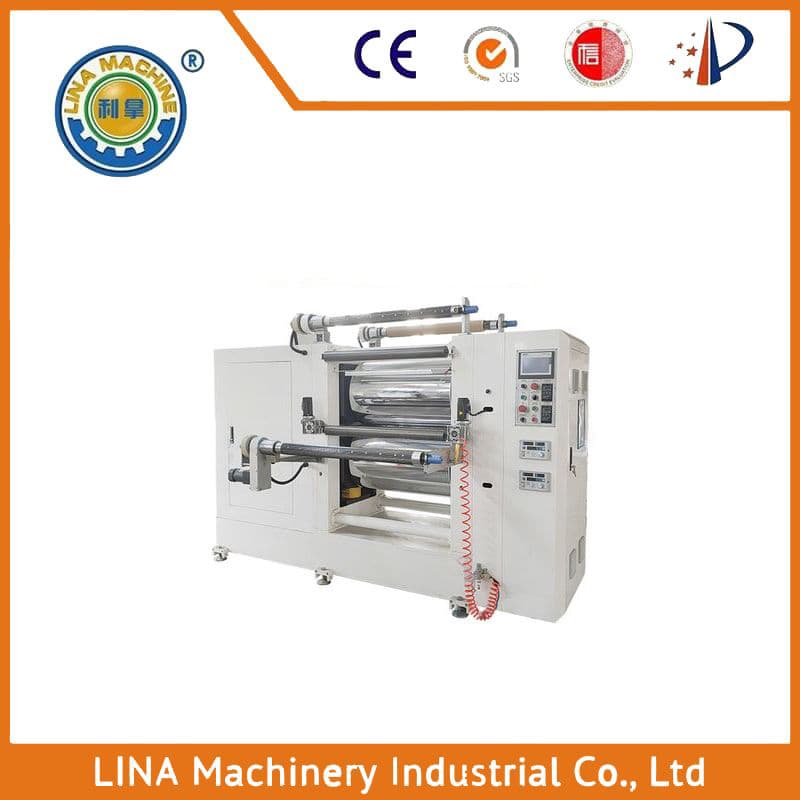
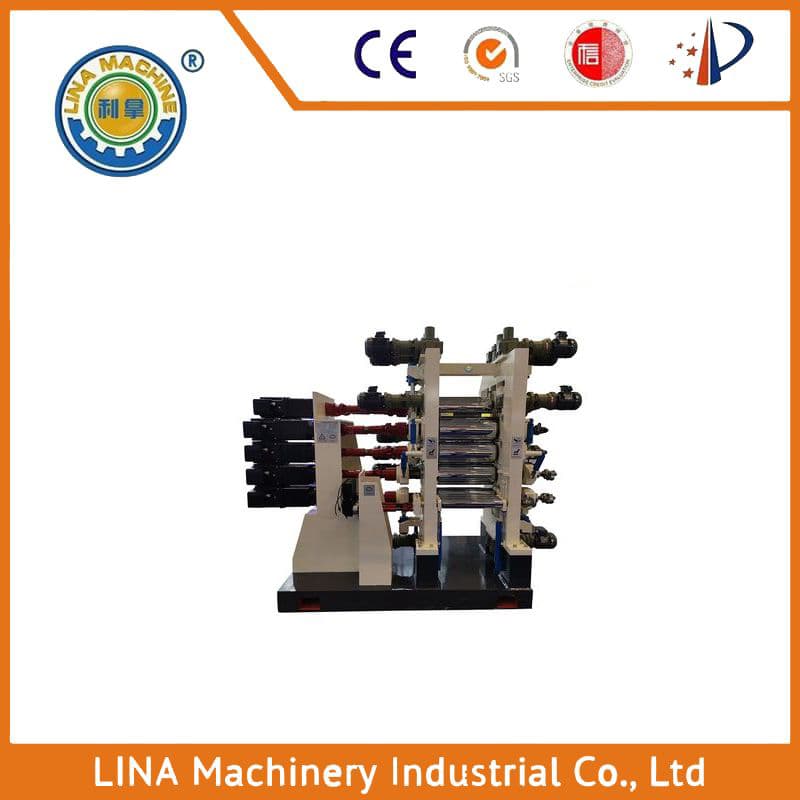
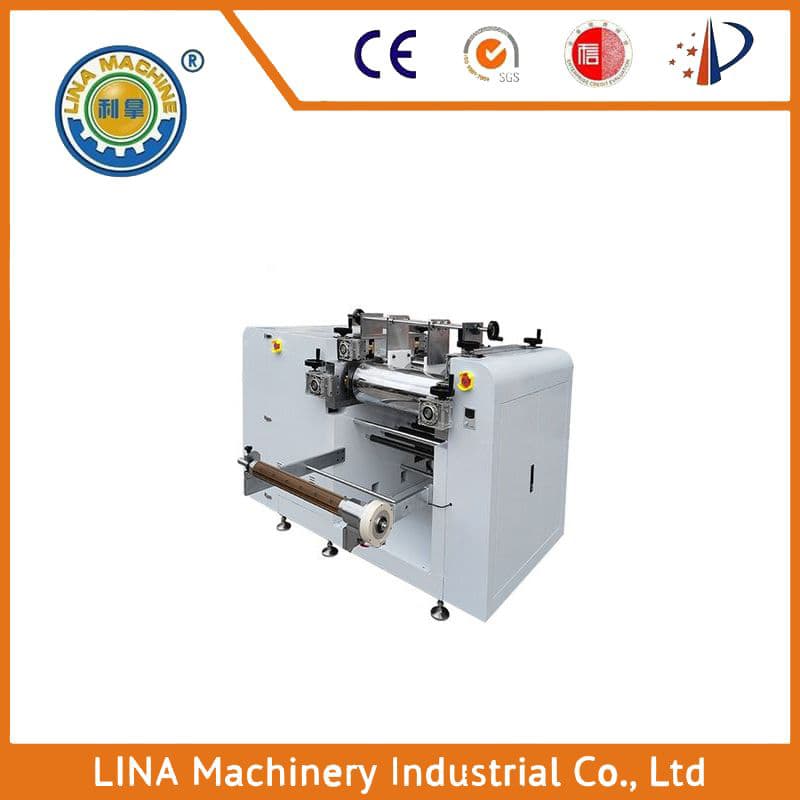
At its core, an automated extrusion and filtering machine is a complex assembly of components that work together to produce high-quality products with minimal human intervention. The machine consists of several key components, including a feeder system, extruder, die, and filtering mechanism. The feeder system is responsible for feeding raw materials into the machine, while the extruder converts the material into a uniform stream. The die molds the material into the desired shape, while the filtering mechanism removes any impurities or debris that may have been introduced during the process.
One of the most significant advantages of automated extrusion and filtering machinery is its ability to produce consistent and high-quality products. By using advanced algorithms and sensors, these machines can precisely control the temperature, pressure, and flow rate of the material, ensuring that each product meets strict quality standards. Additionally, these machines are highly efficient, as they can process large volumes of material in a short amount of time.
Another benefit of automated extrusion and filtering machinery is its ability to improve safety and reduce downtime. With fewer manual errors and faster production times, these machines can help minimize downtime and increase overall productivity. Furthermore, they can also help reduce waste by efficiently handling and disposing of excess material.

In conclusion, automated extrusion and filtering machinery is a vital component of modern industrial processes. Its ability to produce consistent and high-quality products, while also improving safety and reducing downtime, makes it an essential tool for many industries. As technology continues to advance, we can expect even more sophisticated and efficient machines to emerge, further enhancing our ability to manufacture and process materials with precision and efficiency.