




"The Art of Rubber Extrusion: A Comprehensive Guide to Rubber Extruder Machines
Introduction:
In the realm of industrial machinery, few are as ubiquitous and integral as the rubber extruder machine. This versatile piece of equipment is responsible for transforming raw materials into a wide range of useful products, from tires and hoses to medical devices and packaging materials. As such, it plays a pivotal role in the manufacturing process, ensuring that quality and consistency are consistently maintained across various applications. In this article, we will delve into the intricate world of rubber extruders, exploring their design principles, operational features, and the critical factors that contribute to their success in the industry.
Design Principles:
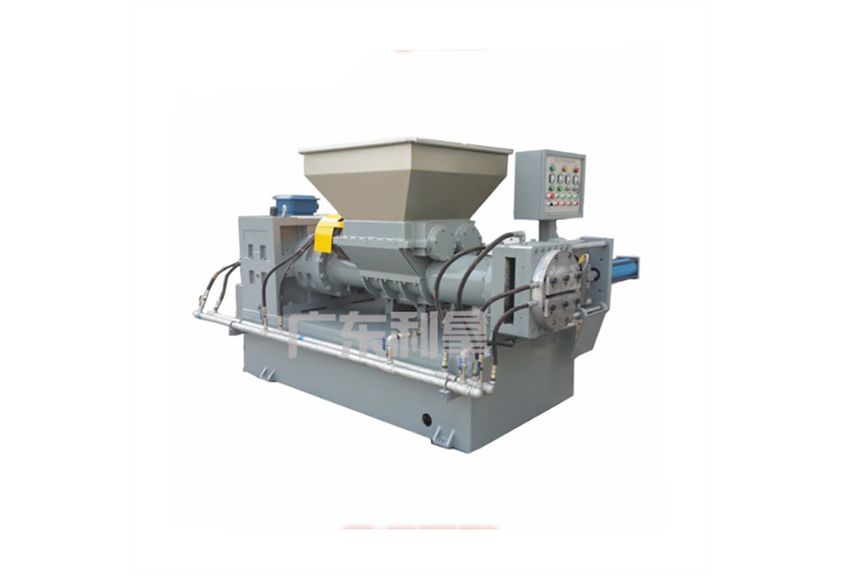
At its core, a rubber extruder machine is designed with efficiency and functionality in mind. Its construction is typically made from high-strength materials like steel or aluminum, which not only provides structural integrity but also ensures that the machine can withstand the demanding conditions of the extrusion process. The design incorporates advanced technology, including computer-controlled systems that allow for precise temperature regulation and speed adjustments, thereby maximizing output while minimizing waste. Additionally, the machine's internal components are carefully engineered to minimize friction and optimize heat transfer, ensuring that the rubber material is processed at optimal temperatures and pressures.
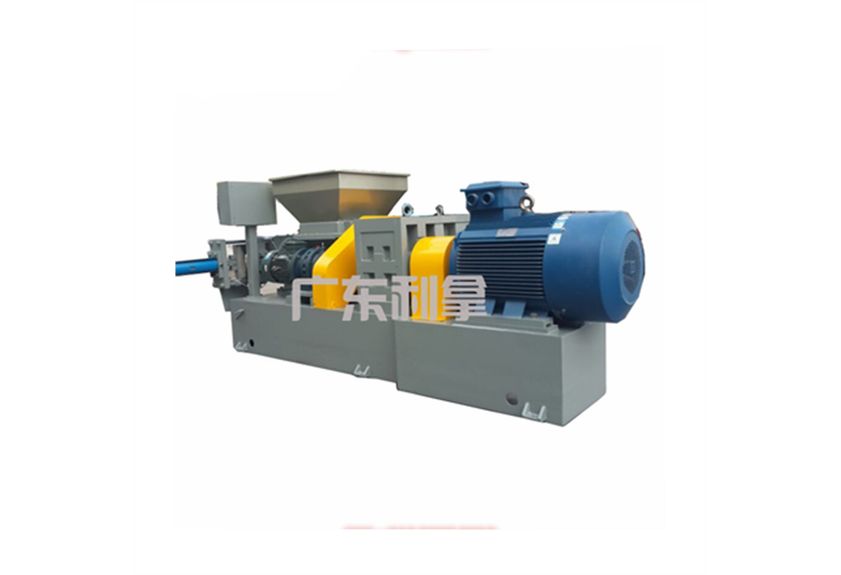
Operational Features:
One of the most significant advantages of rubber extruder machines is their ability to handle a wide range of raw materials. These machines are capable of processing a variety of rubber compounds, including natural rubber, synthetic rubber, and blends of both. The machine's feeding system is designed to precisely control the rate at which raw materials are fed into the extruder, allowing for consistent and uniform product quality. Furthermore, the machine's die assembly is highly adaptable, enabling it to produce a wide range of shapes and sizes depending on the specific application.
Critical Factors:
To ensure consistent performance and longevity, several critical factors must be considered when operating a rubber extruder machine. One of these is the choice of raw materials, as different types of rubber require different processing techniques. Additionally, the temperature and pressure settings must be carefully monitored and adjusted to optimize the extrusion process. Finally, regular maintenance and inspection are essential to prevent downtime due to wear and tear, ensuring that the machine remains efficient and reliable throughout its lifespan.
Conclusion:
In conclusion, the rubber extruder machine is a powerful tool in the manufacturing industry, capable of producing a wide range of useful products from raw materials. By understanding its design principles, operational features, and critical factors, manufacturers can optimize their production processes and achieve consistent quality results. As the demand for innovative and sustainable materials continues to grow, the importance of rubber extruders in meeting these demands cannot be overstated.