

The Art of Rubber Processing: An Introduction to Rubber Extruders
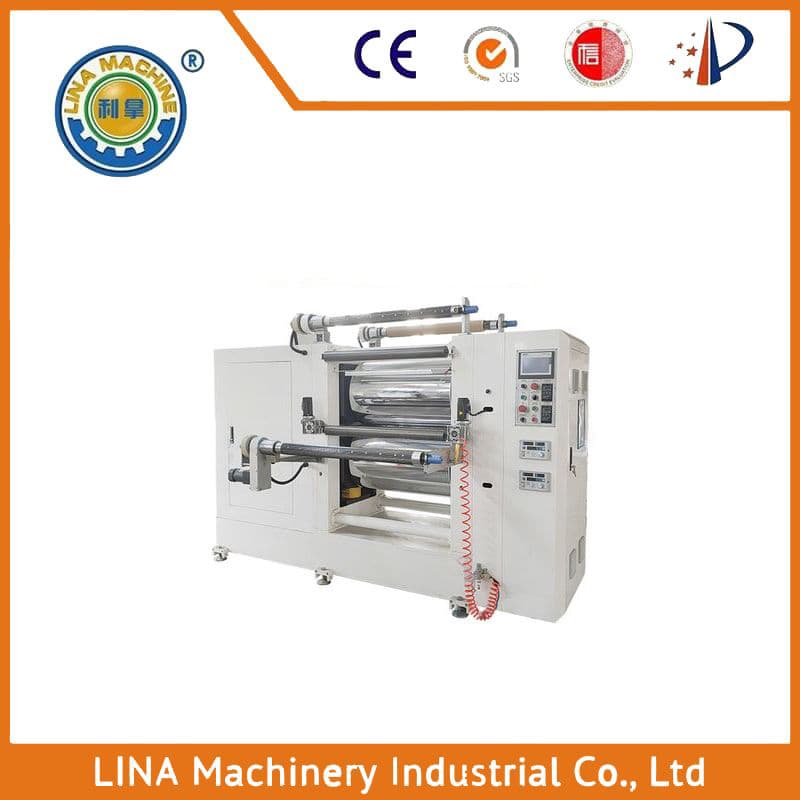
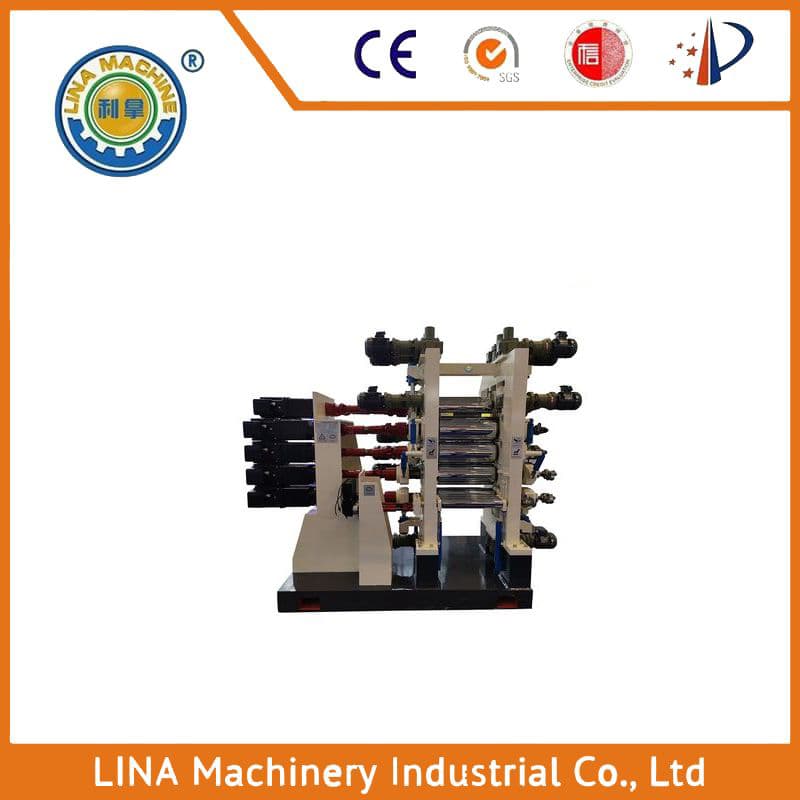
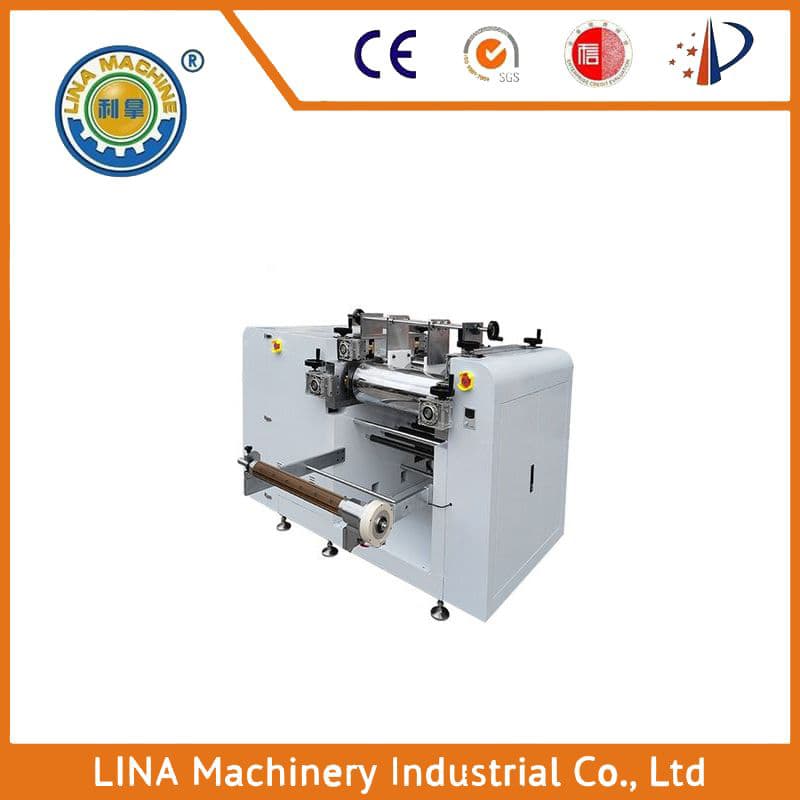
In the realm of rubber processing, the art of rubber extruders is a crucial component that ensures the quality and consistency of the final product. At its core, a rubber extruder is a machine designed to convert raw materials into a uniform, viscous liquid that can be molded or shaped into various forms. This process involves the use of heat, pressure, and shear forces to break down the polymer chains in the rubber compound, creating a homogeneous mixture that can be easily processed through the extruder's die system.
One of the key features of a rubber extruder is its ability to handle a wide range of rubber compounds, including natural rubber, synthetic rubber, and elastomers. These compounds vary in their molecular structure and properties, which require specific processing techniques to achieve optimal results. For example, natural rubber requires higher temperatures and longer residence times to ensure proper melt flow and mixing, while synthetic rubber may require specialized additives to improve its physical properties.

The design of a rubber extruder is critical in determining its efficiency and performance. Modern extruders are equipped with advanced technologies such as variable speed control, temperature monitoring, and pressure adjustment, which allow for precise manipulation of the process parameters. Additionally, the choice of barrel material and design can impact the overall process stability and product quality.
In addition to its technical aspects, the rubber extruder plays a significant role in the overall production process. It is responsible for distributing the rubber compound evenly throughout the die system, ensuring that the final product has consistent dimensions and shape. The extruder also helps to remove any air bubbles or impurities from the rubber mix, improving its physical properties and reducing defects during subsequent processing steps.
As the demand for high-quality rubber products continues to grow, the importance of effective rubber extruder technology cannot be overstated. By leveraging the latest innovations in materials science, engineering, and automation, manufacturers can optimize their processes and produce products that meet或 exceed customer expectations. Whether you are a small-scale manufacturer or a large-scale industrialist, investing in the right rubber extruder can help you stay competitive in today's rapidly evolving market.
1. Rubber Extruder
2. Rubber Processing
3. Homogeneous Mixture
4. Die System
5. Production Process
This article provides an in-depth exploration of the art of rubber processing, specifically focusing on the critical role played by rubber extruders in achieving optimal results. We delve into the technical aspects of rubber extruders, including their ability to handle a wide range of rubber compounds and their design considerations for efficiency and performance. We also discuss the impact of rubber extruders on the overall production process, highlighting their role in distributing the rubber compound evenly and removing air bubbles or impurities. As the demand for high-quality rubber products continues to grow, we emphasize the importance of effective rubber extruder technology in staying competitive in today's rapidly evolving market. Our article aims to provide readers with valuable insights into this essential component of the rubber processing industry.