

Understanding Rubber Extrusion Machines
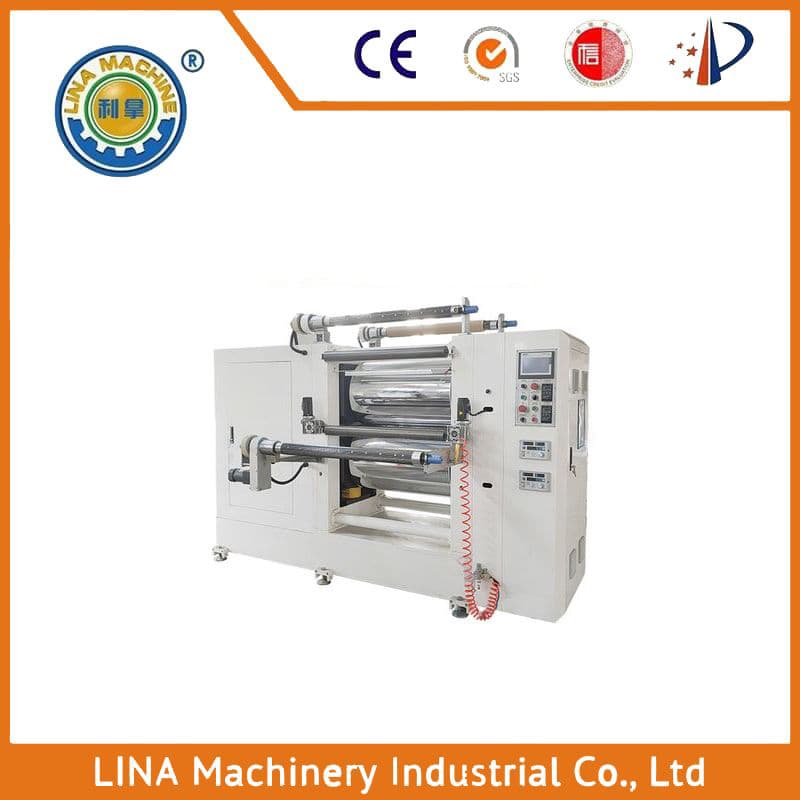
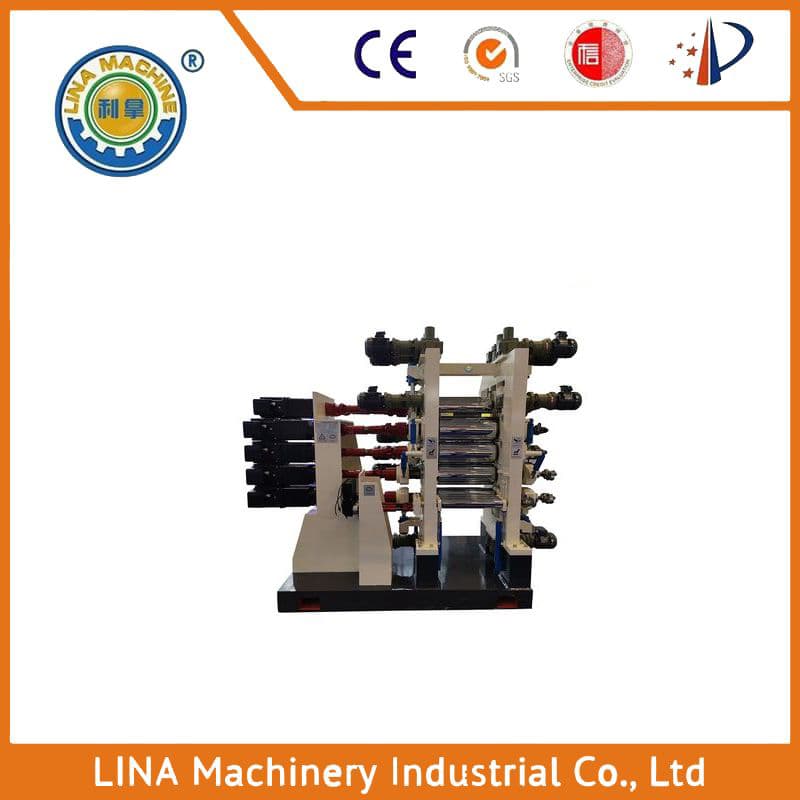
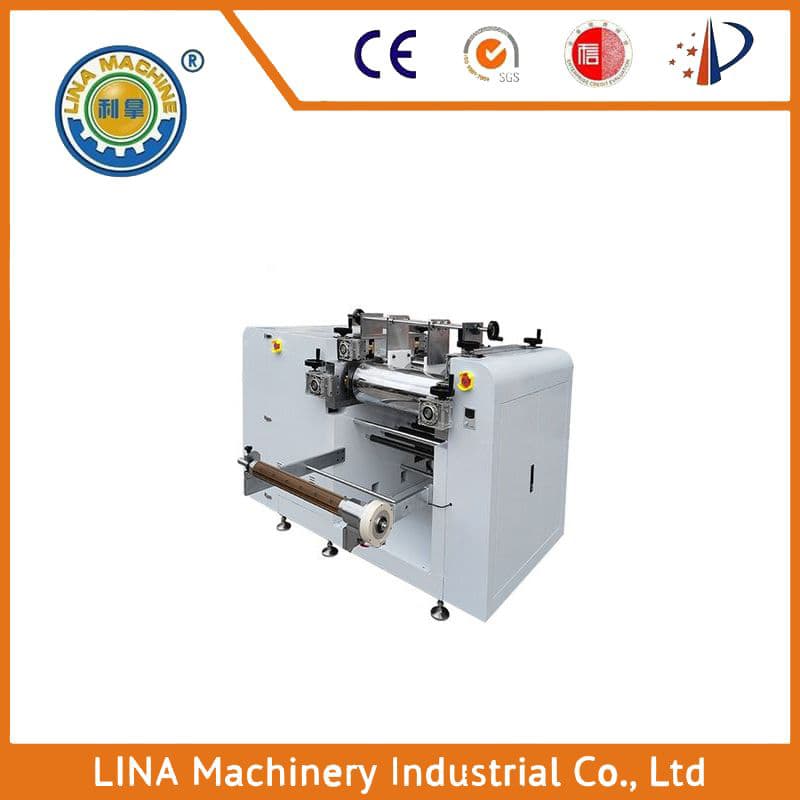
The rubber extrusion process is a crucial step in the manufacturing of various rubber products, such as tires, hoses, and seals. A rubber extruder is an essential piece of machinery used to convert raw rubber into the final product. In this article, we will explore the different types of rubber extruders available and their applications in the rubber industry.
Firstly, there are two main types of rubber extruders: screw extruders and barrel extruders. Screw extruders are commonly used for small-scale production and consist of a rotating screw that pushes the molten rubber through a die. These machines are ideal for producing small batches of rubber products. On the other hand, barrel extruders are designed for larger-scale production and use a stationary barrel to feed the molten rubber into a die. These machines are capable of producing high-quality products with consistent dimensions.
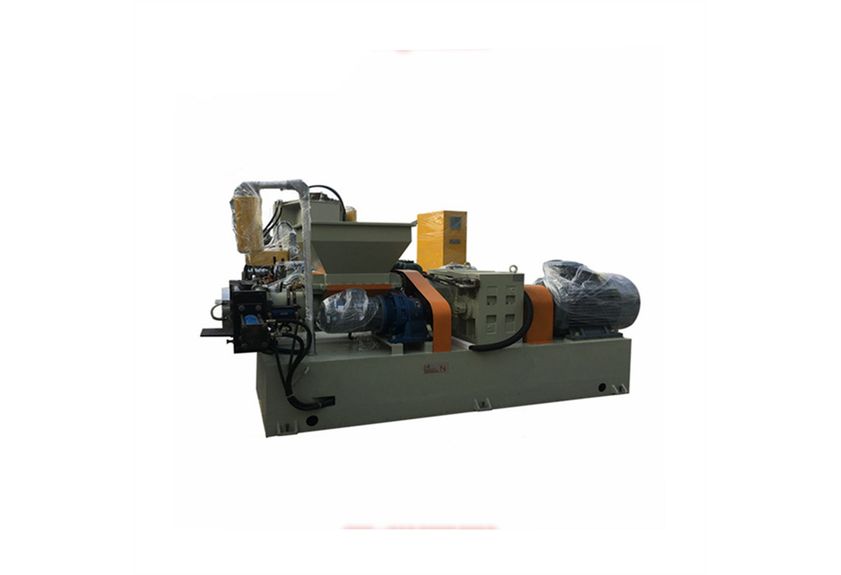
In addition to the type of extruder, several factors can influence the performance of a rubber extruder. One important factor is the temperature control system. The temperature of the molten rubber plays a significant role in determining the properties of the final product. Therefore, it is essential to have a precise temperature control system to ensure consistent quality. Another factor is the feeding rate of the raw rubber. The faster the feed rate, the more uniform the product will be. However, too fast a feed rate can cause the product to become distorted or lose its shape.
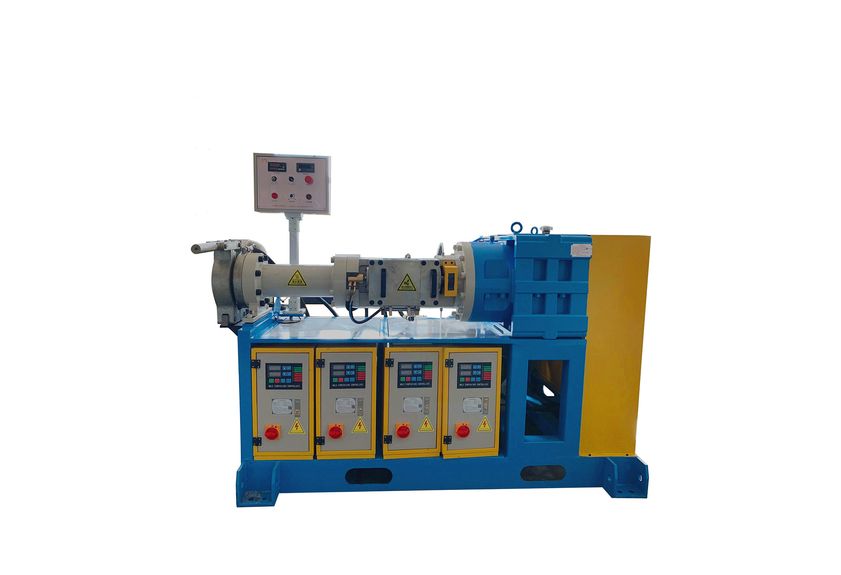
Another critical component of a rubber extruder is the die. The die is responsible for shaping the molten rubber into the desired product. The design of the die can greatly affect the quality of the final product. For example, a tapered die can produce a seamless connection between the product and the mold, while a square die can create a rough surface.
Finally, the choice of materials for the rubber extruder itself can also impact its performance. Some materials are more durable and resistant to wear than others, which can affect the lifespan of the machine. Additionally, the choice of lubricants and seals can also impact the overall efficiency of the machine.
1. Rubber Extrusion Machines
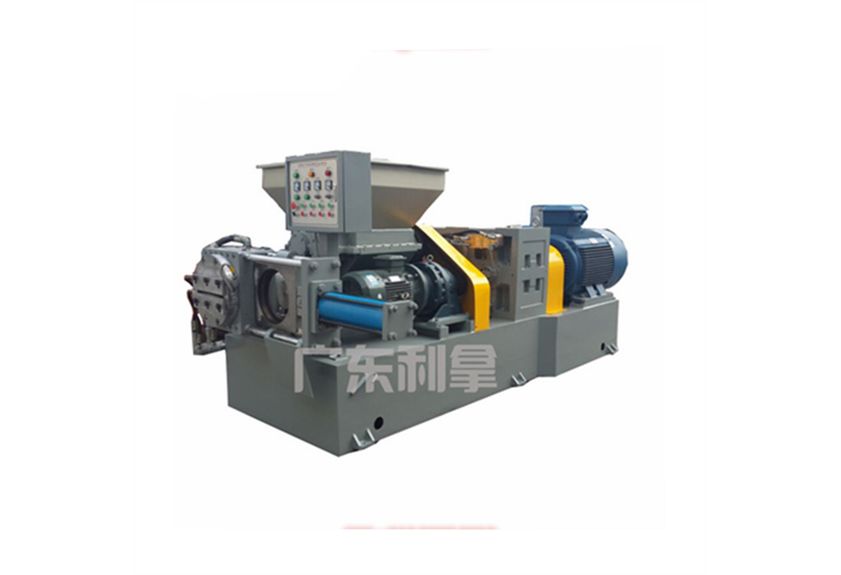
2. Screw Extruders
3. Barrel Extruders
4. Temperature Control System
5. Die Design
6. Material Choice
7. Lubricants and Seals
8. Quality Control
9. Production Scale
10. Product Properties
This article provides an in-depth analysis of the different types of rubber extruders available in the industry and their applications in the manufacturing of various rubber products. We discuss the importance of temperature control systems, die design, material choices, and lubricants and seals in ensuring consistent quality and efficient production. By understanding these key factors, businesses can optimize their rubber extruder usage and achieve better results in their manufacturing processes.