

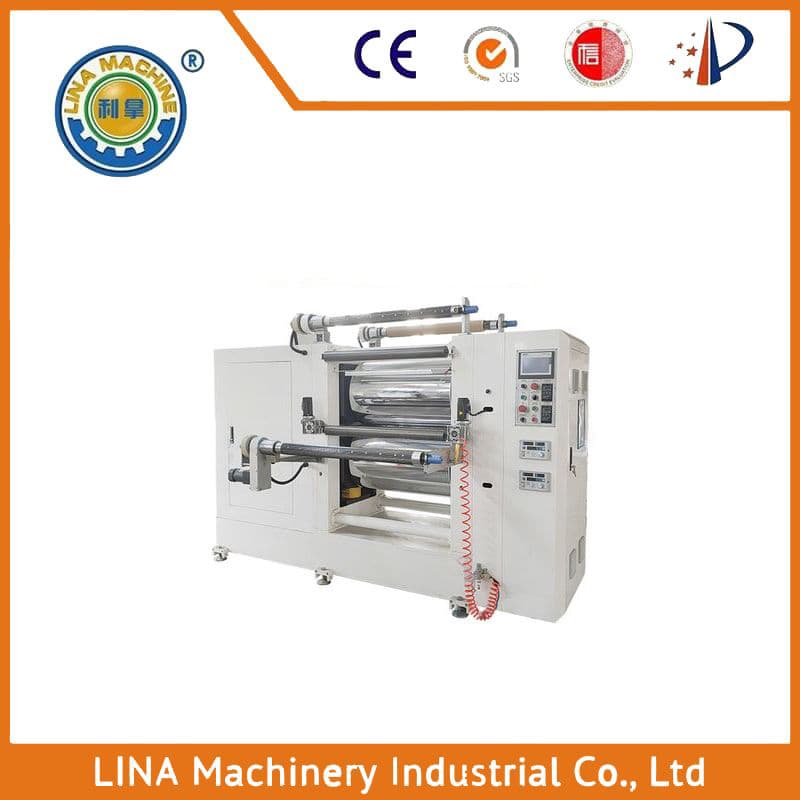
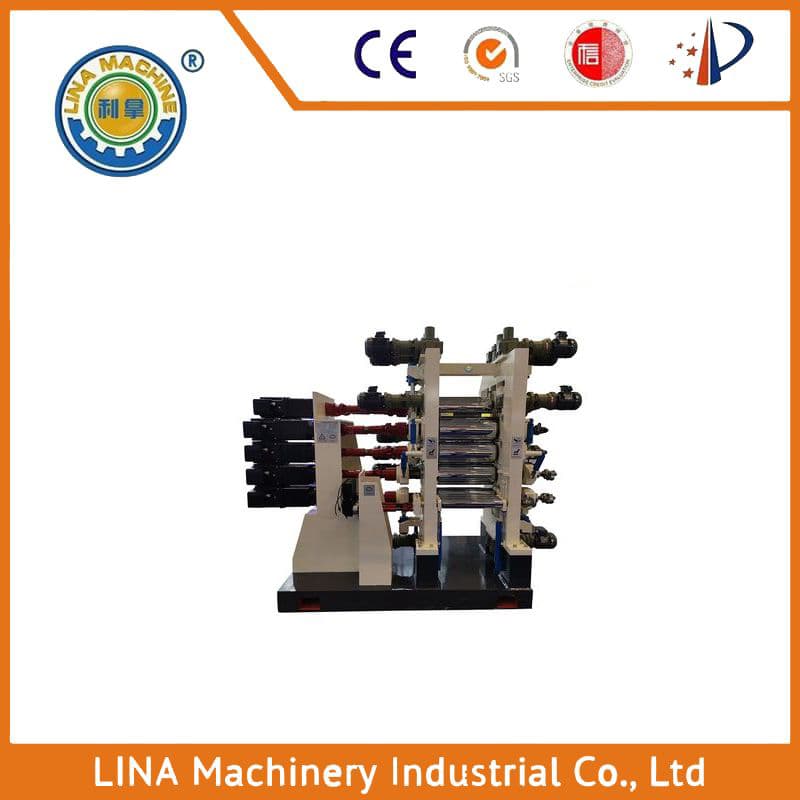
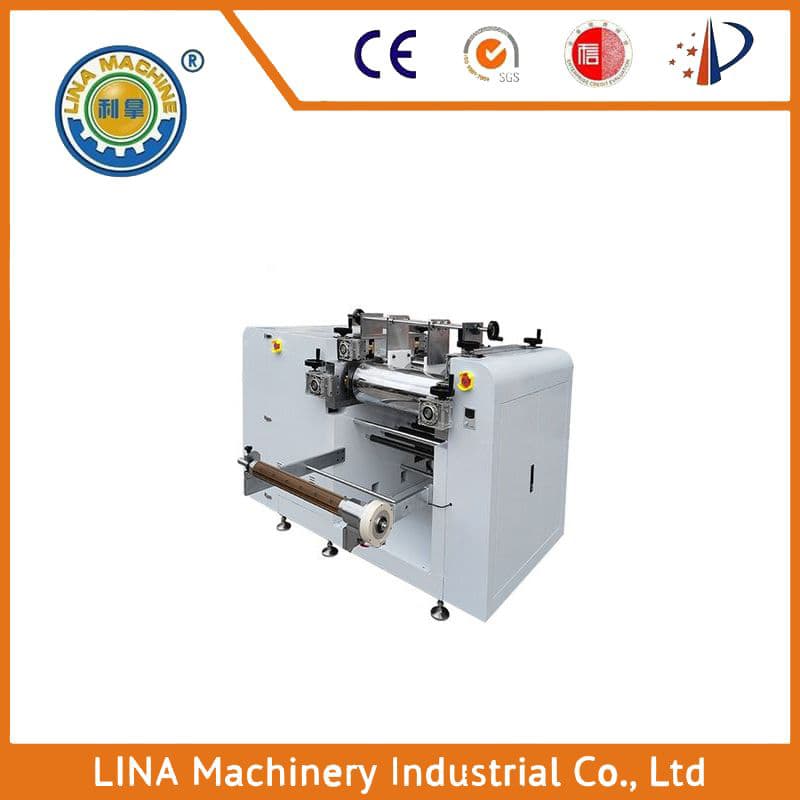
The Production Line Open Roller Mill
Open roller mills are an essential tool in the production process of various materials, including plastics, rubber, and other polymeric compounds. These machines are designed to mix, knead, and extrude raw materials into a uniform, consistent product. In this article, we will explore the different types of open roller mills, their applications, and how they contribute to the overall efficiency of the production line.
Firstly, there are two main types of open roller mills: continuous and batch. Continuous open roller mills are used in large-scale industrial production, where the material is continuously fed into the machine and the product is continuously removed. This type of mill is ideal for high-volume production, as it allows for efficient processing of large quantities of raw materials. On the other hand, batch open roller mills are used in small-scale production, where the material is processed in batches. This type of mill is more flexible and can be used for a variety of applications, such as testing or research.
The choice of open roller mill depends on the specific needs of the production line. For example, if the material being processed is highly viscous or requires high shear forces, a continuous open roller mill may be the best option. On the other hand, if the material being processed is less viscous or does not require high shear forces, a batch open roller mill may be sufficient.

In addition to its mechanical properties, the quality of the raw materials also plays a significant role in determining the performance of an open roller mill. The consistency of the raw materials, their moisture content, and any impurities can all affect the final product's quality. Therefore, it is important to select raw materials that meet the required specifications and have been properly stored and handled before use.
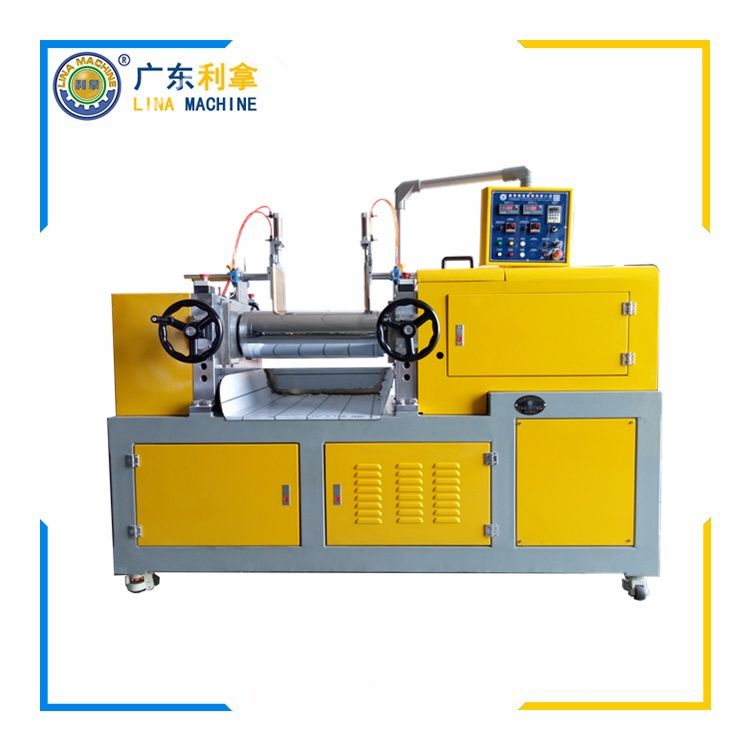
Finally, the maintenance and operation of open roller mills are crucial for ensuring their longevity and efficiency. Regular cleaning and inspection of the machinery are necessary to prevent wear and tear, and to identify any potential issues before they become major problems. By following proper maintenance procedures, operators can ensure that their open roller mills remain reliable and productive throughout their lifespan.
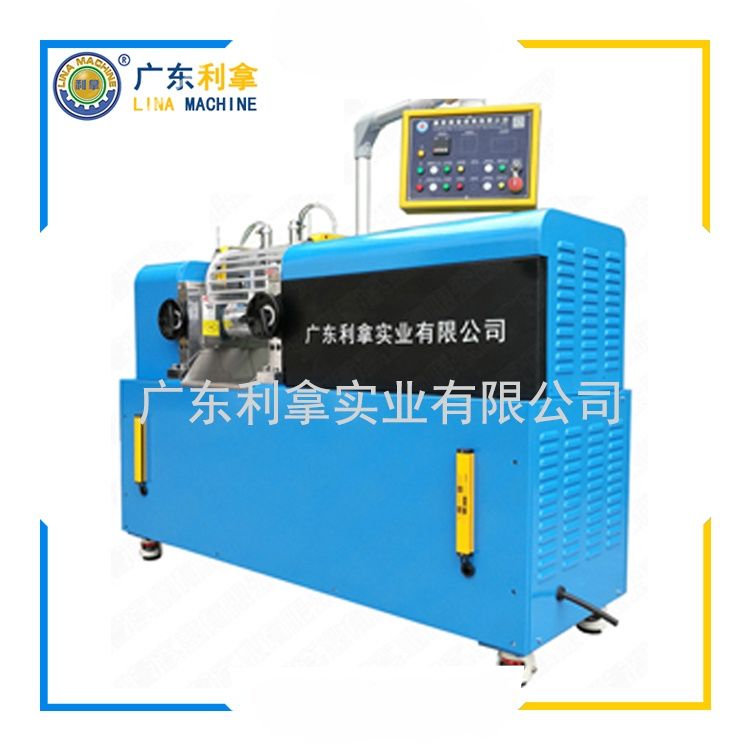
1. Open Roller Mill
2. Production Line
3. Raw Materials
4. Quality Control
5. Maintenance Procedures
This article provides an in-depth analysis of open roller mills, highlighting their key features and applications in the production process. We discuss the different types of open roller mills, their respective advantages and disadvantages, and how they contribute to the overall efficiency of the production line. Additionally, we explore the importance of selecting appropriate raw materials and implementing proper maintenance procedures to ensure the longevity and productivity of these critical pieces of equipment. By understanding the intricacies of open roller mills, producers can optimize their operations and achieve maximum output while minimizing costs and downtime.