

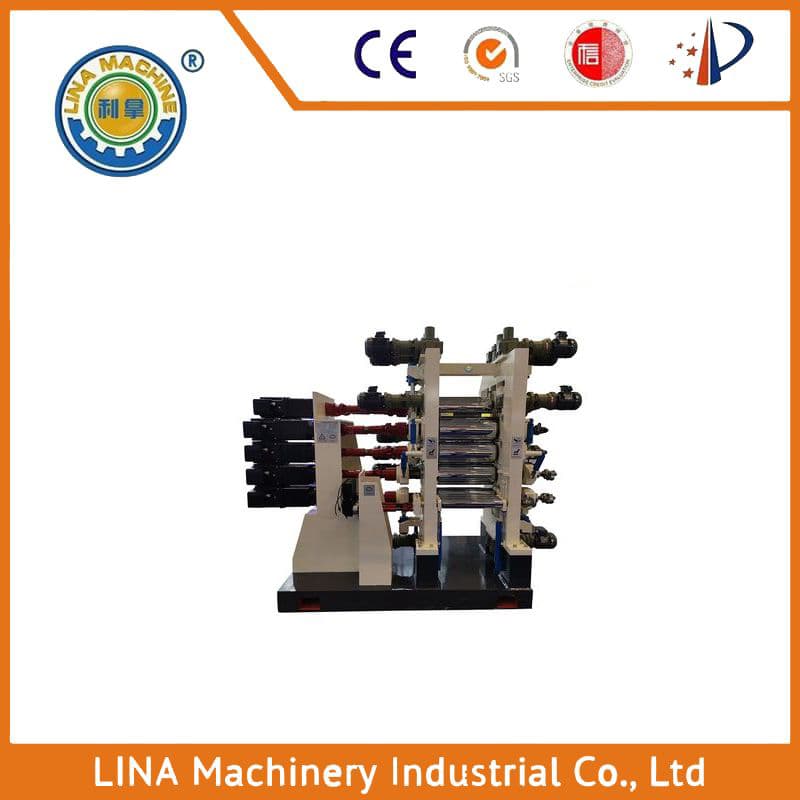

The Laboratory Rolling Mill: A Critical Component in Chemical and Materials Science
The laboratory rolling mill, also known as a laboratory extruder or laboratory mixer, is an essential tool for conducting chemical reactions, preparing materials, and performing various physical processes. It is a versatile piece of equipment that can be used in a variety of scientific experiments and industrial applications. In this article, we will explore the basic principles of the laboratory rolling mill, its components, and how it works to achieve its intended purpose.
The laboratory rolling mill consists of a rotating cylinder or barrel that contains the material to be processed. This cylinder is surrounded by a stationary plate that acts as the die or mold. The material enters the cylinder through a feed mechanism, which allows it to be mixed, kneaded, or otherwise manipulated by the machine. The rotational motion of the cylinder causes the material to flow, shape, and undergo chemical reactions within the die.
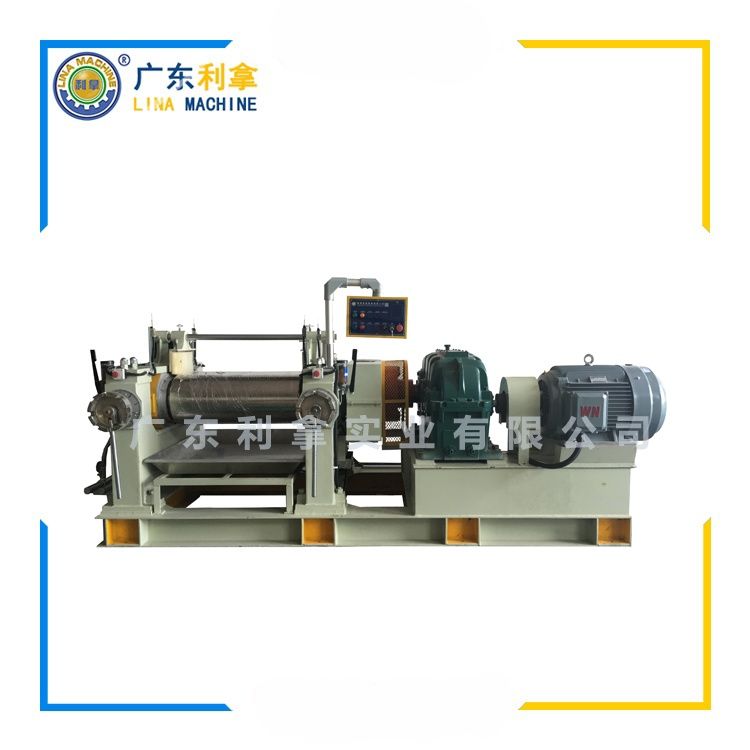
The key components of a laboratory rolling mill include the motor, gearbox, drive shaft, bearings, and the mixing chamber. The motor drives the gearbox, which in turn transmits power to the drive shaft. The bearings support the weight of the machine and prevent damage to the moving parts. The mixing chamber is where the material is subjected to the desired physical and chemical changes.
The operation of the laboratory rolling mill is based on the principle of mechanical shearing. As the material moves through the cylinder, it experiences a high-speed rotational motion that causes it to be sheared, broken down, and mixed. This process can lead to the formation of new compounds, the breakdown of existing ones, and the creation of new phases. The speed and direction of rotation can be adjusted to control the extent of the shearing and mixing.
In addition to its role in chemical reactions, the laboratory rolling mill is also used in the production of plastics, rubber, and other polymeric materials. It can be used to blend different types of resins, fillers, and additives to create composite materials with tailored properties. The mixing process ensures that all components are evenly distributed and interact properly, resulting in a homogeneous product.

In conclusion, the laboratory rolling mill is a versatile tool that plays a crucial role in chemical and materials science research. Its ability to perform mechanical shearing and mixing allows it to facilitate a wide range of chemical reactions and material processing applications. By understanding its basic principles and components, scientists and engineers can optimize their experimental setups and improve the efficiency of their research.