




The Art of the Pulverizer: A Detailed Look at the Pulverizing Machine
The pulverizer is a crucial piece of machinery in many industries, particularly in the food and pharmaceutical sectors. Its primary function is to break down solid materials into smaller particles, which can then be used for various purposes such as grinding, mixing, or dissolving. In this article, we will delve into the working principles, components, and applications of the pulverizer.
Firstly, let's understand what a pulverizer is. A pulverizer is a machine that uses mechanical force to crush or grind materials into a fine powder. This process is essential in industries where the final product requires a uniform and fine texture, such as cosmetics, pharmaceuticals, and food products.
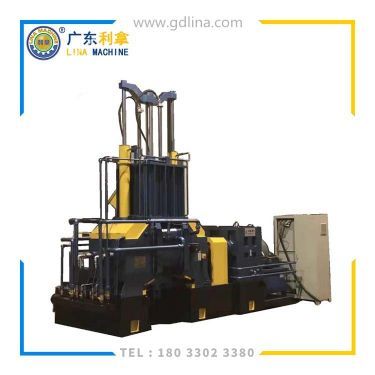
The working principle of a pulverizer involves a rotating drum or disc that is surrounded by a series of rollers. As the drum rotates, it applies pressure to the material being ground, causing it to break down into smaller particles. The size of the particles produced depends on the speed of rotation and the amount of force applied.
To ensure optimal performance, pulverizers are equipped with various components such as a feed hopper, discharge chute, and air inlet. The feed hopper receives the raw material and transports it to the pulverizer. The discharge chute collects the pulverized material and directs it to the desired location. The air inlet allows for the introduction of compressed air, which helps in further grinding and dispersion of the particles.
In addition to its mechanical components, pulverizers also have electrical and pneumatic systems. The electrical system controls the speed and power of the motor, while the pneumatic system provides additional support during operation. These systems help maintain consistent performance and reduce wear and tear on the pulverizer.
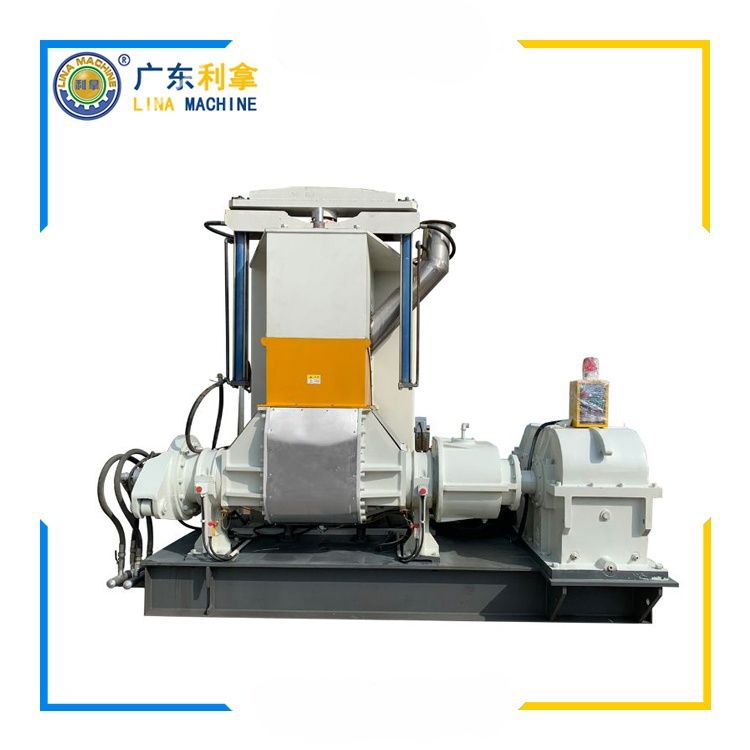
Now, let's explore some common types of pulverizers and their applications.
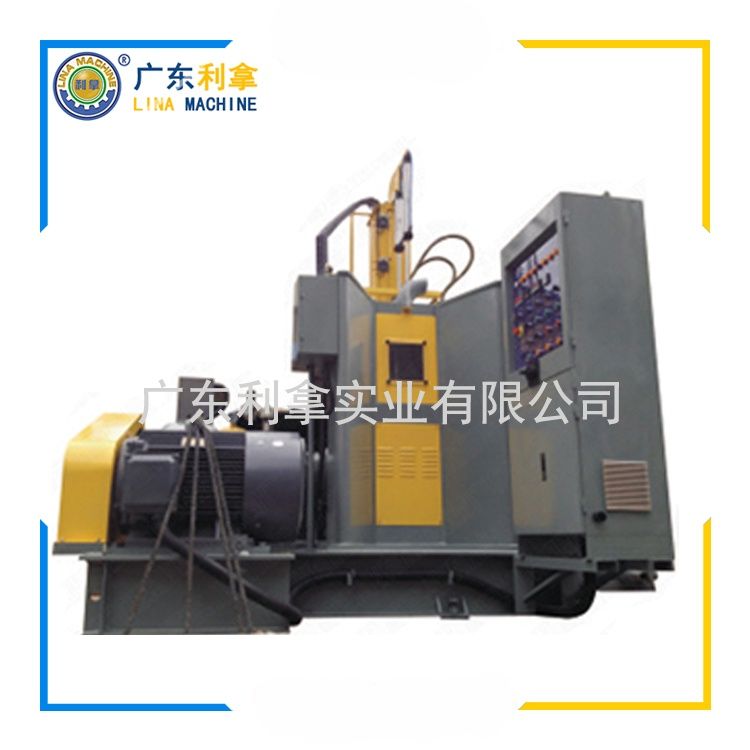
1. Roller Mills: Roller mills are one of the most widely used pulverizers in the food and pharmaceutical industries. They consist of a rotating drum with multiple rollers that apply pressure to the material being ground. Roller mills are ideal for grinding spices, grains, and other dry materials.
2. Ball Mills: Ball mills are another popular choice for pulverizing materials. They use steel balls instead of rollers to grind the material. Ball mills are suitable for grinding soft materials such as sugar, flour, and petroleum products.
3. Hammer Mills: Hammer mills are designed to crush hard materials such as rocks and minerals. They use a heavy metal hammer to break down the material into smaller particles. Hammer mills are commonly used in mining and construction industries.
4. Jet Mills: Jet mills are a unique type of pulverizer that uses high-pressure water jets to crush materials. They are ideal for grinding soft materials such as coffee beans and spices.
In conclusion, the pulverizer plays a crucial role in industries that require a fine texture in their products. By understanding the working principles and components of different types of pulverizers, we can optimize their performance and achieve the desired results.