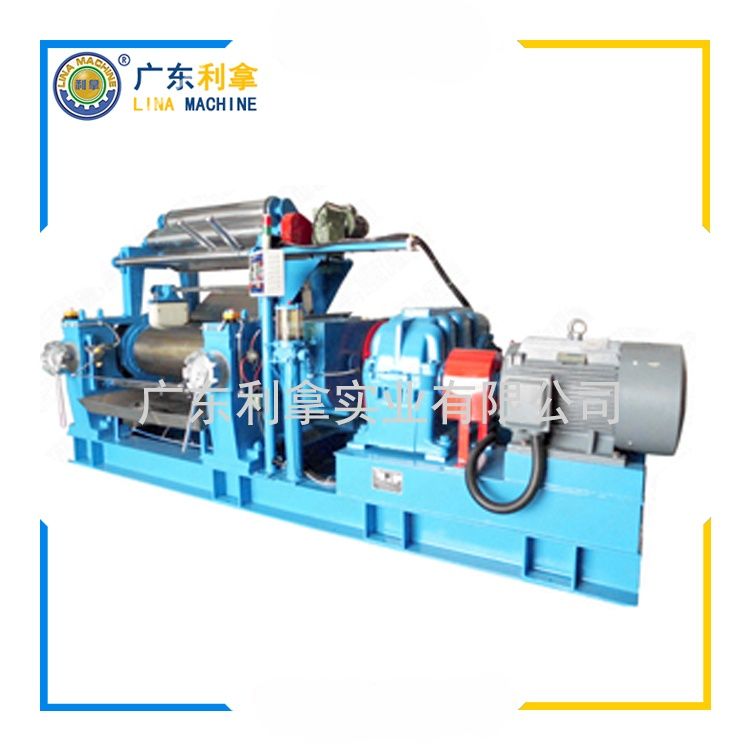



The Role of the Mixing Machine in Chemical Processing
The mixing machine is a crucial tool in the chemical industry, used to blend and homogenize various substances. It plays a vital role in the production process by ensuring that all components are thoroughly mixed and distributed evenly throughout the mixture. This ensures that the final product is consistent and free from any impurities or defects.
The mixing machine is designed to handle a wide range of materials, including liquids, solids, and gases. Its ability to mix these different types of substances allows for the creation of new products and processes that were previously impossible. For example, it can be used to create emulsions, suspensions, and foams, which are essential in many industrial applications.
One of the key features of the mixing machine is its ability to achieve high-speed mixing, which can take place within seconds. This makes it an ideal tool for large-scale production, where time is of the essence. Additionally, the mixing machine is often equipped with advanced sensors and control systems that allow for precise adjustments to the mixing parameters, ensuring optimal results every time.
In addition to its technical capabilities, the mixing machine also has a significant impact on the environment. By reducing waste and minimizing energy consumption, it helps to reduce greenhouse gas emissions and contributes to sustainable development. Furthermore, the use of eco-friendly materials and recycling practices further enhances its environmental friendliness.
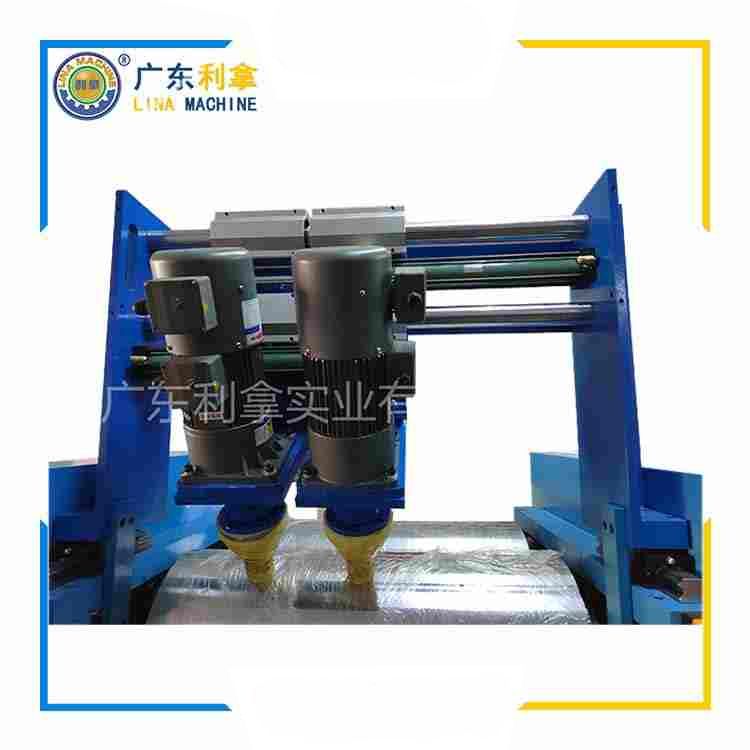
Overall, the mixing machine is a powerful tool that has revolutionized the chemical industry. Its ability to blend and homogenize materials at high speeds and with precision makes it an essential component in the production process. As technology continues to advance, we can expect to see even more innovative uses for this versatile tool, leading to even greater advancements in the field of chemical engineering.