

The Importance of Atmospheric Protection in Mixing Machines
Atmospheric protection is a crucial aspect of the manufacturing process, especially in the field of machinery and equipment. In the context of mixing machines, atmospheric protection refers to the measures taken to maintain a controlled environment within the machine's interior, which helps to prevent contamination from external sources and ensures the quality of the final product.
One of the key benefits of atmospheric protection in mixing machines is that it improves the consistency and uniformity of the ingredients being mixed. By controlling the temperature, pressure, and humidity levels within the machine, manufacturers can ensure that the ingredients are mixed thoroughly without any undesirable variations. This not only enhances the performance of the machine but also improves the overall quality of the final product.
Another advantage of atmospheric protection is its ability to reduce the risk of contamination. External factors such as dust, moisture, and other pollutants can enter the machine's interior and affect the quality of the product. By implementing proper ventilation systems and sealing mechanisms, manufacturers can minimize the risk of contamination and ensure that the product meets industry standards.
In addition to these benefits, atmospheric protection also plays a role in energy efficiency. By maintaining a controlled environment within the machine, manufacturers can reduce energy consumption and minimize waste. This not only saves money on operating costs but also contributes to environmental sustainability.
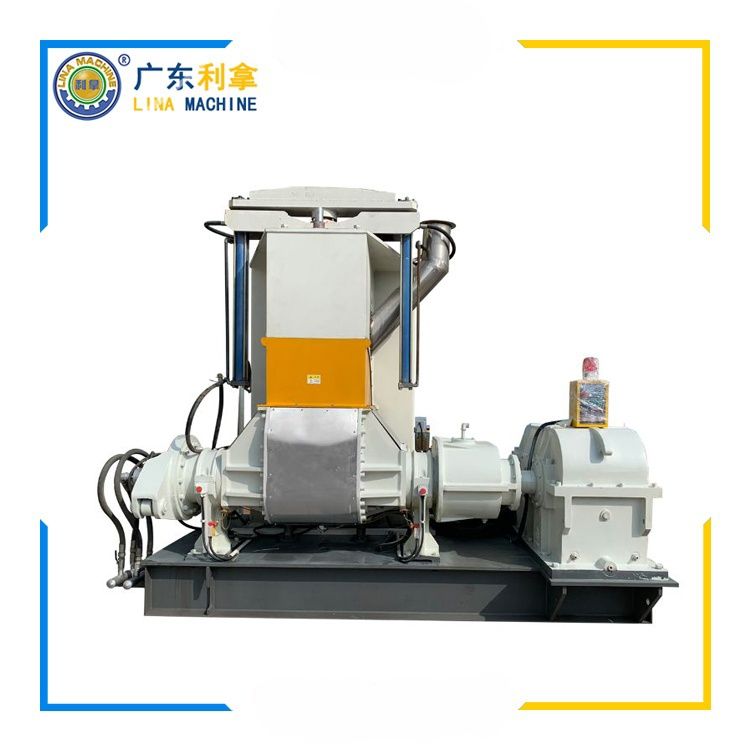
Overall, atmospheric protection is an essential aspect of the manufacturing process that cannot be overlooked. By implementing proper measures to maintain a controlled environment within the machine's interior, manufacturers can ensure that their products meet high standards of quality and consistency.