
The Role of Functionality in Nurturing Granules
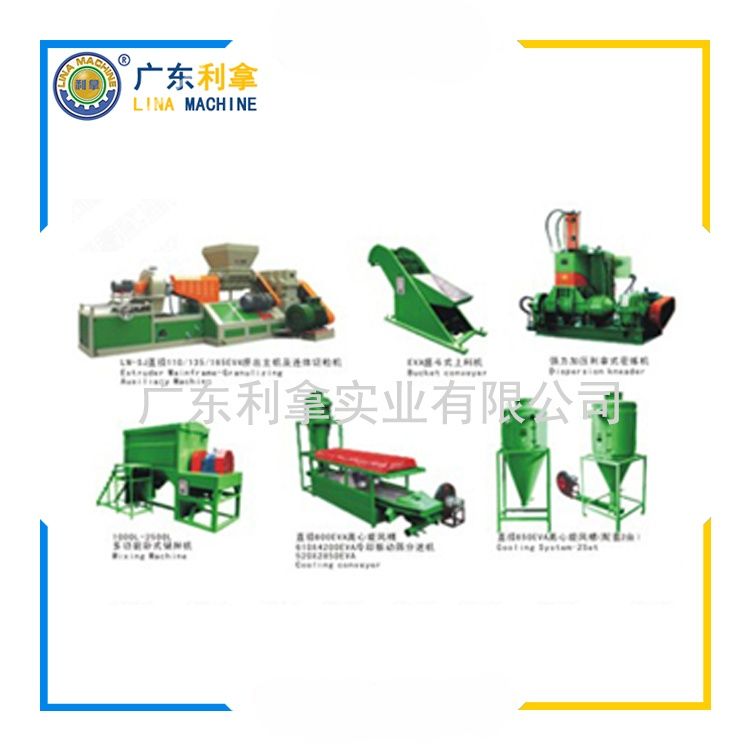
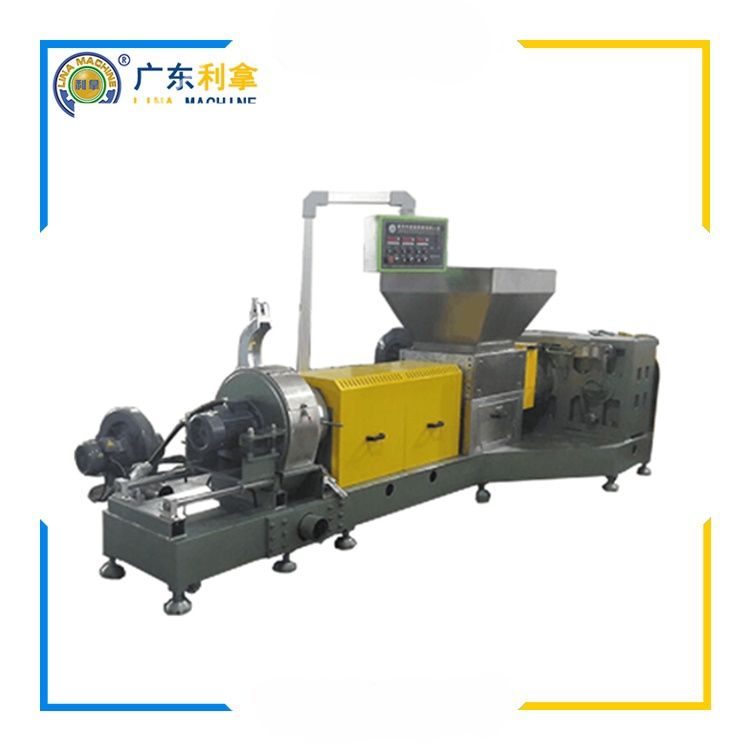
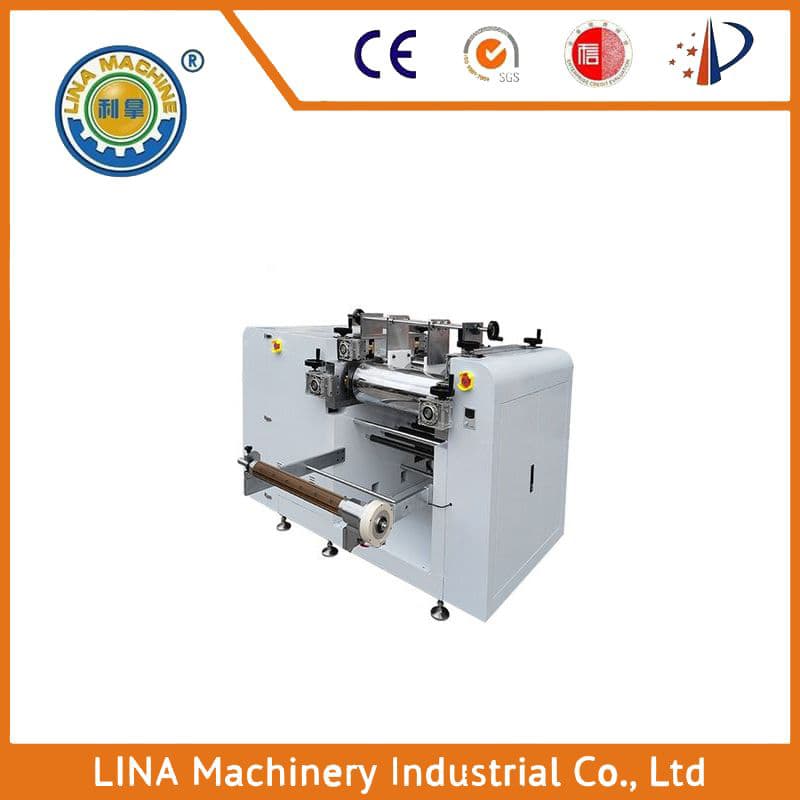
Granule manufacturing is a crucial process in the production of various materials, including plastics, rubber, and other polymers. In this article, we will explore the functionality of functionality-based granulation machines, which play a vital role in the development of these materials.
Functionality-based granulation machines are designed to produce granular materials with specific properties, such as high strength, low density, or improved thermal stability. These machines use advanced technology to control the size and shape of the granular particles, ensuring that they meet the desired specifications for their intended application.
One of the key benefits of using functionality-based granulation machines is their ability to produce granular materials with consistent quality and repeatability. This ensures that products made from these materials have the same properties every time, regardless of the machine used to produce them.
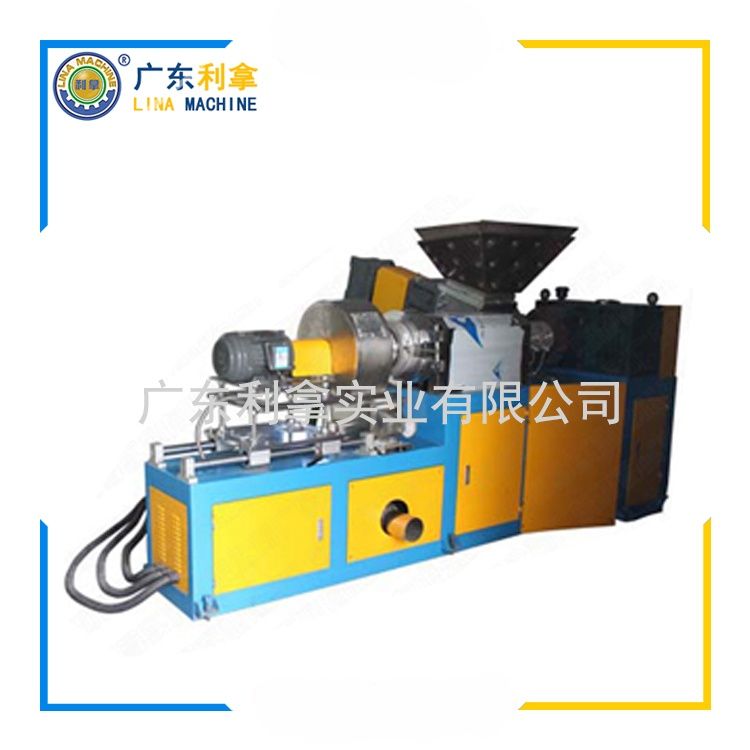
Another advantage of these machines is their flexibility in terms of material selection. They can be used to produce granular materials from a wide range of raw materials, including natural and synthetic polymers, metals, and ceramics. This makes them ideal for industries that require customized granular materials for specific applications.
In addition to their technical advantages, functionality-based granulation machines also have a positive impact on the environment. By reducing the amount of waste produced during the granulation process, these machines help to minimize the environmental impact of the materials they manufacture.
Overall, functionality-based granulation machines are essential tools for modern industrial processes. Their ability to produce granular materials with specific properties and their flexibility in material selection make them an invaluable resource for businesses looking to improve their product quality and reduce their environmental footprint.