




The Art of Rubber Production: An Introduction to Silicone Rubber Extrusion Molding Machines
Silicone rubber, also known as silicone elastomer, is a type of synthetic rubber that has found extensive applications in various industries due to its unique properties such as high flexibility, durability, and resistance to chemicals. One of the critical processes involved in producing silicone rubber is extrusion molding, which involves using an extruder machine to melt and shape the rubber into desired products. In this article, we will explore the art of rubber production and introduce you to the key components of a silicone rubber extruder machine.
The first step in silicone rubber extrusion molding is the preparation of the raw materials. The most common raw material used in silicone rubber production is polydimethylsiloxane (PDMS), which is a silicon-based polymer that combines the properties of both rubber and plastic. Other essential ingredients include fillers, plasticizers, and stabilizers, which are added to improve the physical and chemical properties of the final product.
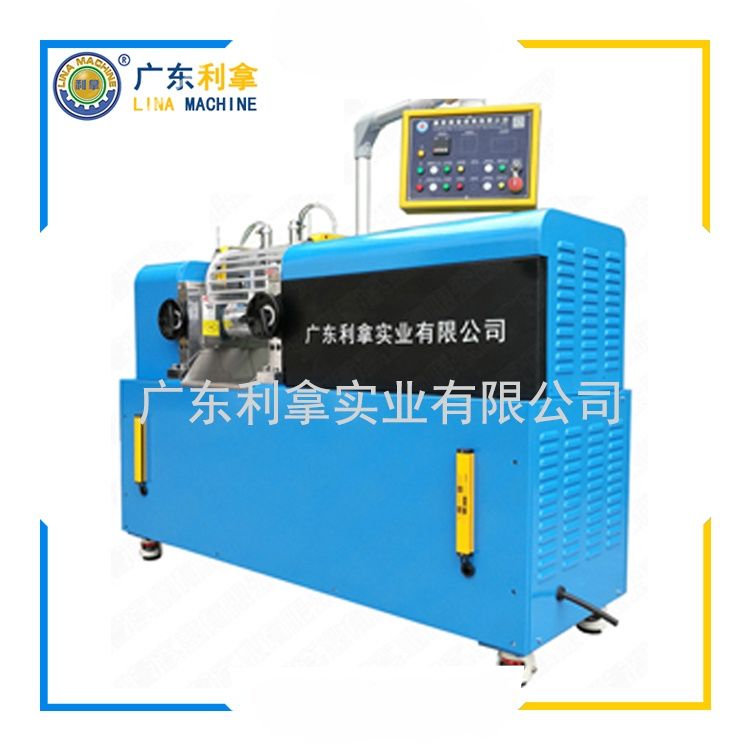
Once the raw materials have been prepared, they are fed into the extruder machine through a hopper. The extruder consists of a series of rotating screws that melt the rubber and mix it with other ingredients. The melted rubber then passes through a die, where it is forced out into a continuous thread or filament. This process is known as extrusion and is crucial in shaping the rubber into the desired shape and size.
The next step in silicone rubber extrusion molding is cooling and solidification. The molten rubber exits the die and enters a cooling chamber where it is rapidly cooled to solidify. This process helps to remove any residual heat and prevent warping or deformation during subsequent processing steps.
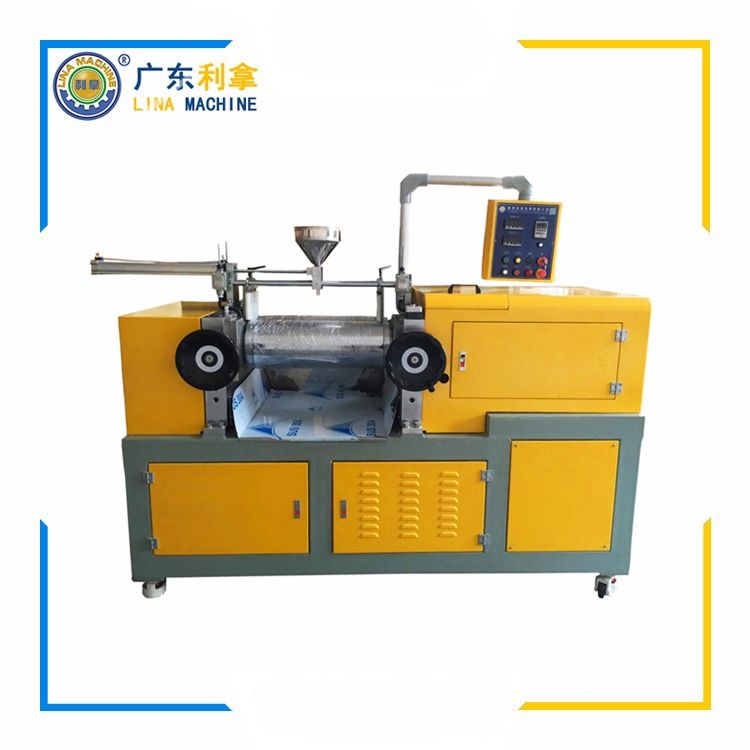
After cooling, the silicone rubber filament is cut into small pieces, which are then passed through a winder or sizing roller to remove any excess material and even out the surface texture. This step is important in ensuring that the final product has a smooth and consistent appearance.
Finally, the silicone rubber filament is wound onto a spool or coated with a release agent to make it easier to handle and transport. This final product can then be used in various applications, such as electronics, automotive parts, and medical devices, among others.
In conclusion, the art of rubber production involves several critical steps, including preparing the raw materials, feeding them into the extruder machine, melting and shaping the rubber, cooling and solidifying the product, cutting and sizing the filament, and finally winding the filament onto a spool. The use of silicone rubber extruder machines is essential in achieving these processes efficiently and consistently, resulting in high-quality silicone rubber products that meet the needs of various industries.