




The Role of Melt Blown Particle Extruders in the Manufacturing Industry
Melt blown particle extrusion is a crucial process in the manufacturing industry, particularly in the production of medical and protective equipment. This technique involves the use of high-temperature melts to create small, uniform particles that are then extruded through a die into a continuous sheet or web. These sheets are often used as filters for air filtration systems, such as those found in hospitals and other healthcare facilities.
The melt blowing process begins with a polymer melt, which is heated to a high temperature and forced through a nozzle into a chamber where it is rapidly cooled and solidified. This process creates small, tightly packed particles that have a uniform size and shape. These particles are then collected and transported to an extruder, where they are further processed into the final product.
One of the key benefits of melt blown particle extrusion is its ability to produce high-quality, durable materials. The process allows for precise control over the size and shape of the particles, which can be tailored to meet specific requirements for filtering applications. Additionally, the use of high-temperature melts ensures that the particles are strong and resistant to breakage, making them ideal for use in harsh environments.
Another important aspect of melt blown particle extrusion is its ability to produce large quantities of material quickly and efficiently. This makes it an attractive option for businesses looking to reduce their carbon footprint and minimize waste. By using renewable energy sources and minimizing waste, companies can reduce their overall environmental impact while still producing high-quality products.
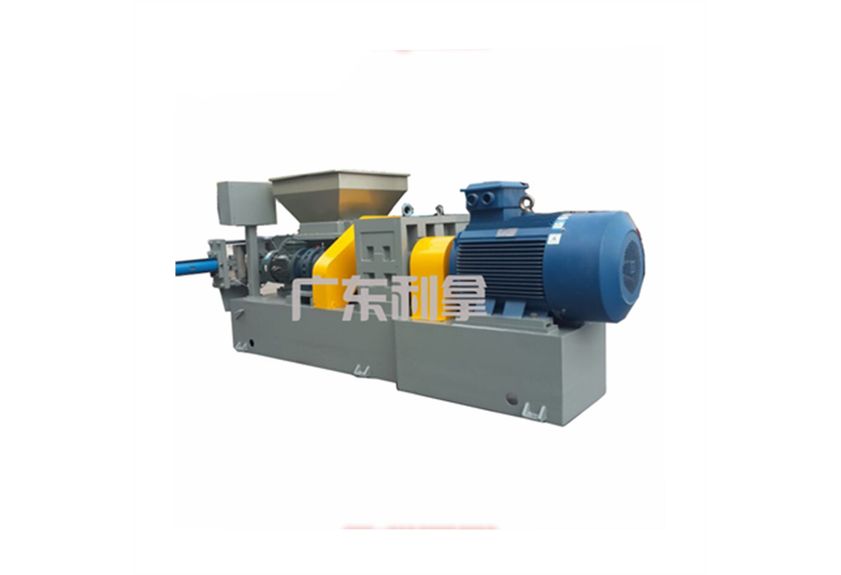
In conclusion, melt blown particle extrusion is a critical process in the manufacturing industry, particularly in the production of medical and protective equipment. Its ability to produce high-quality, durable materials and large quantities of material quickly and efficiently makes it an essential tool for businesses looking to reduce their carbon footprint and minimize waste. As technology continues to advance, we can expect to see even more innovative uses for this powerful process in the future.