

The Two-Roll Mill: A Detailed Guide to Its Function and Applications
The two-roll mill is a versatile tool in the realm of polymer processing, particularly in the field of rubber and plastic manufacturing. This machine plays a crucial role in the development of various materials by allowing for controlled mixing and vulcanization processes. In this article, we will delve into the working principles of a two-roll mill, its applications, and some essential maintenance tips to ensure optimal performance.
Working Principles of a Two-Roll Mill
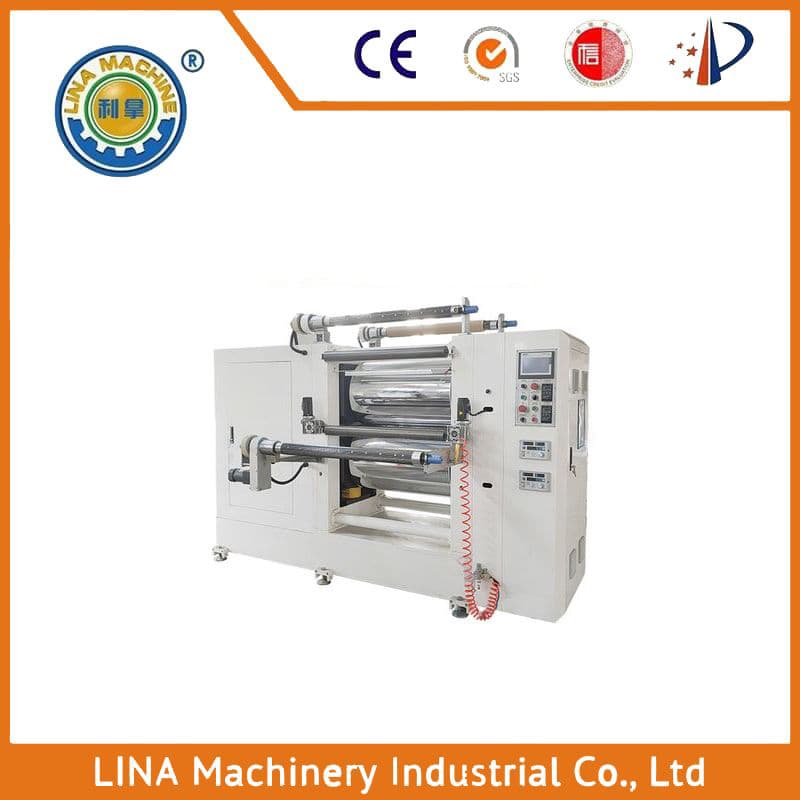
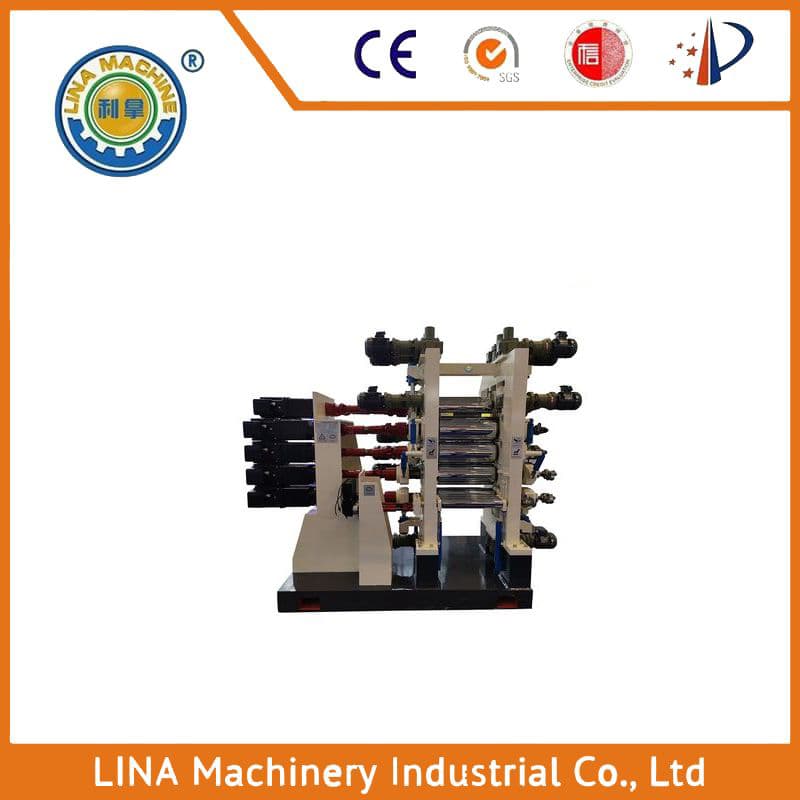
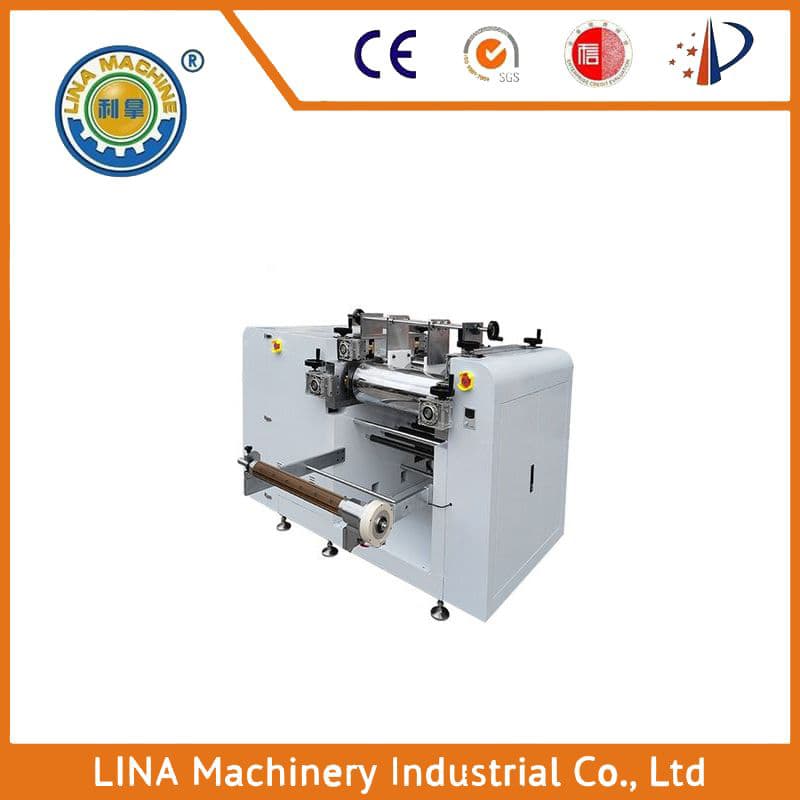
A two-roll mill consists of two parallel rollers that rotate around a central axis. These rollers are usually made of steel or other durable materials and are coated with a thin layer of lubricant to minimize friction and wear. As the rollers rotate, they come into contact with each other, causing the material being processed to be mixed and deformed. The degree of deformation depends on the speed at which the rollers move and the pressure exerted on the material.
Applications of a Two-Roll Mill

Two-roll mills are widely used in the production of various types of rubber and plastic products. Some common applications include:
1. Rubber Manufacturing: Two-roll mills are essential tools in the production of natural and synthetic rubber compounds. They are used to mix different raw materials such as carbon black, fillers, and additives to create homogeneous mixtures that can be further processed into finished rubber products.
2. Plastic Compounding: In the plastic industry, two-roll mills are used to mix thermoplastic resins, fillers, and other additives to produce moldable compounds. These compounds are then processed into various plastic products through extrusion or injection molding techniques.
3. Elastomer Manufacturing: Two-roll mills are also used in the production of elastomers like latex and silicone rubber. These materials require precise mixing to achieve the desired properties, and two-roll mills provide an efficient way to achieve this.
4. Other Applications: Two-roll mills are also used in the food industry for mixing ingredients like starch and fats, and in the pharmaceutical industry for mixing active pharmaceutical ingredients (APIs) with excipients.
Maintenance Tips for a Two-Roll Mill
To ensure optimal performance and extend the lifespan of your two-roll mill, it is essential to perform regular maintenance tasks. Here are some tips:
1. Regular Cleaning: Clean the rollers and other parts of the mill regularly to remove any buildup of dust or debris that could affect the mixing process. Use a soft brush or cloth to clean the rollers, and avoid using harsh chemicals that could damage the surface.
2. Lubrication: Ensure that the rollers are properly lubricated to reduce friction and prevent wear. Follow the manufacturer's recommendations for the appropriate type and amount of lubricant to use.
3. Inspection: Regularly inspect the mill for any signs of wear or damage. If you notice any issues, take immediate action to repair or replace the damaged parts.
4. Adjustment of Speed and Pressure: Adjust the speed and pressure of the rollers according to the specific requirements of your material and process. This will help ensure that the mixing is even and consistent.
5. Training: Ensure that all personnel operating the two-roll mill are trained in proper handling and maintenance procedures. This will help prevent accidents and maintain the equipment in good condition.
In conclusion, the two-roll mill is a versatile tool in the world of polymer processing, offering numerous applications in the manufacture of rubber, plastic, and elastomer products. By understanding its working principles and performing regular maintenance, you can ensure that your two-roll mill remains efficient and reliable for years to come.