

The Continuous Mixing Machine: An Overview
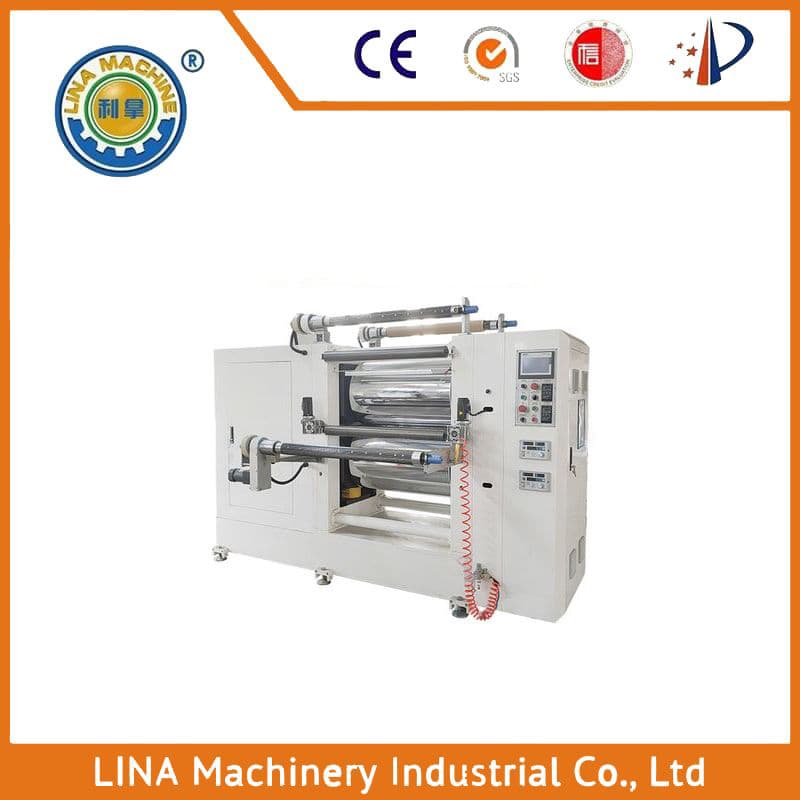
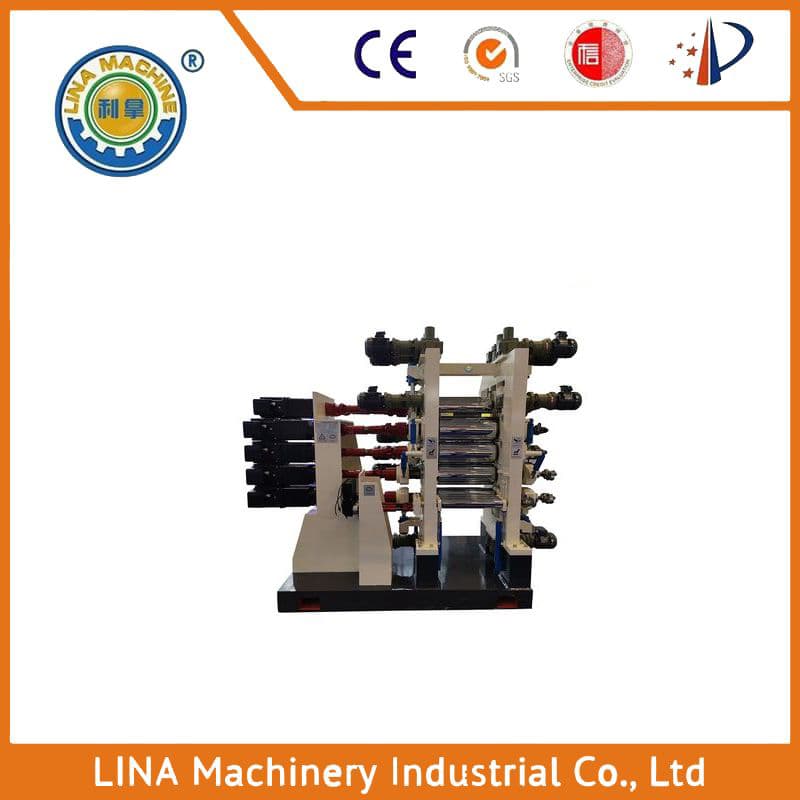
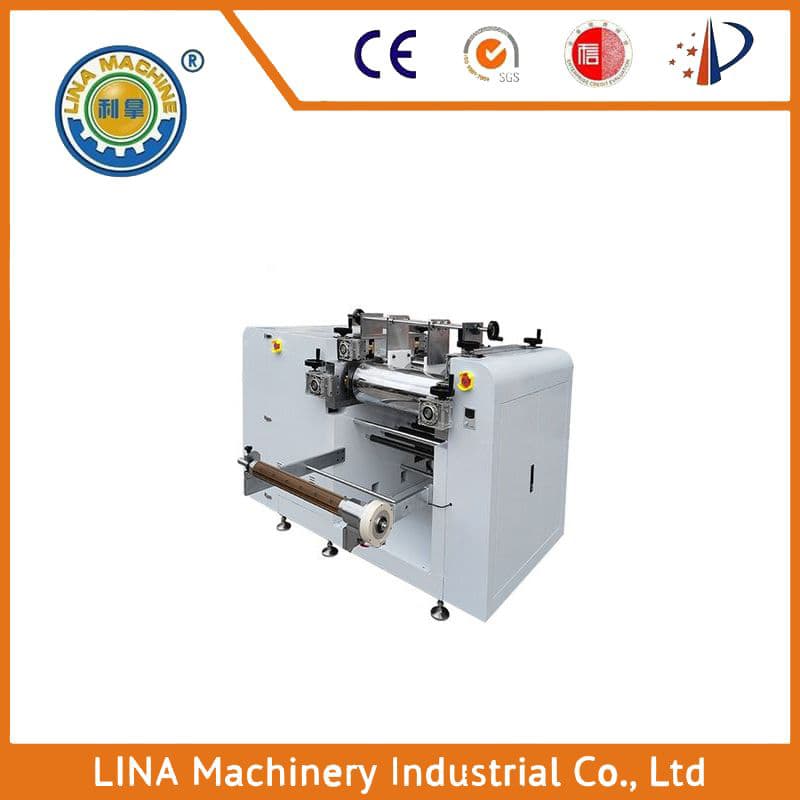
The continuous mixing machine is a crucial tool in the manufacturing industry, particularly in the rubber and plastics sector. It is an essential piece of equipment that allows for the efficient and consistent mixing of materials, which is critical for producing high-quality products. In this article, we will explore the features, advantages, and applications of this innovative technology.
Firstly, let's discuss the features of a continuous mixing machine. These machines are designed to continuously mix batches of materials without stopping, ensuring that the ingredients are thoroughly mixed and evenly distributed throughout the product. This process takes place in a closed system, where the material is fed into the machine and then discharged as a homogeneous mixture. Some models also feature temperature control, allowing for precise temperature regulation during the mixing process.
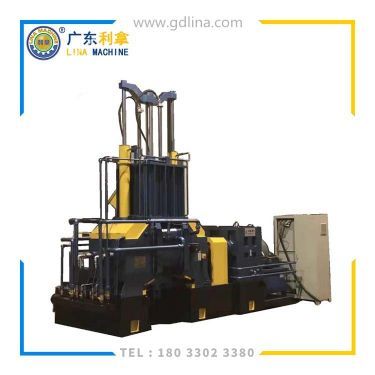
One of the main advantages of using a continuous mixing machine is its efficiency. Compared to traditional batch mixing methods, these machines can produce significantly more output per unit of time, resulting in faster production times and reduced labor costs. Additionally, they eliminate the need for manual handling of materials, reducing the risk of contamination and errors.
Another significant advantage of continuous mixing machines is their ability to handle a wide range of materials. Whether it's rubber, plastics, or other polymers, these machines can be customized to suit specific requirements, making them ideal for a variety of industries. Moreover, they can be used to mix different types of fillers, pigments, and additives, enhancing the properties of the final product.
In terms of applications, continuous mixing machines are widely used in the rubber and plastics industry. They are commonly used in the production of tires, hoses, gloves, and other consumer goods. However, they are also becoming increasingly popular in the automotive industry, where they are used to produce parts such as brake pads and engine components.
Finally, it's worth mentioning that continuous mixing machines have become increasingly sophisticated over the years. Modern models now come with advanced features such as automated feeding systems, sensors for real-time monitoring of the mixing process, and even robotic arms for precise handling of materials. These advancements have made continuous mixing machines even more efficient and reliable, making them an essential tool for modern manufacturing processes.
1. Continuous mixing machine
2. Manufacturing industry
3. Rubber and plastics sector
4. Automotive industry
5. Real-time monitoring
6. Robotic arms
7. Advanced features
8. Efficiency
9. Production times
10. Labor costs
11. Material handling
12. Property enhancement
13. Real-time data analysis
14. Sensor technology
15. Robotics
This article provides an in-depth overview of the continuous mixing machine, highlighting its key features, advantages, and applications in the manufacturing industry. We explore the benefits of using this innovative technology, including its efficiency, ability to handle a wide range of materials, and its role in enhancing the properties of the final product. We also discuss the various applications of continuous mixing machines, from the rubber and plastics sector to the automotive industry. Finally, we highlight some of the advanced features that make these machines even more valuable in today's manufacturing landscape. By providing readers with this comprehensive information, we hope to inspire them to consider investing in continuous mixing machines for their own businesses.