




The Essentials of Mixing Machines: A Comprehensive Guide
Mixing machines are essential tools in the manufacturing industry, used for mixing and homogenizing various substances. They come in various shapes and sizes, each designed to meet specific needs and applications. In this article, we will explore the different types of mixing machines available, their functions, and how they can be used effectively in various industrial processes.
1. Batch Mixers: These machines are suitable for small-scale production where a large amount of material is required. They are ideal for mixing powders, liquids, or solids that need to be thoroughly mixed before being used in subsequent processes. Batch mixers are often used in pharmaceutical, food, and chemical industries.
2. Flow Mixers: These machines are designed to handle fluid materials such as paints, coatings, and adhesives. They use a rotating impeller to mix the material evenly, ensuring uniformity throughout the batch. Flow mixers are commonly used in the automotive, aerospace, and electronics industries.
3. High-Speed Mixers: These machines are equipped with high-speed motors and advanced technology to mix materials at high speeds. They are ideal for mixing fast-dissolving chemicals, polymers, and other materials that require rapid mixing. High-speed mixers are commonly used in the pharmaceutical, cosmetics, and food industries.
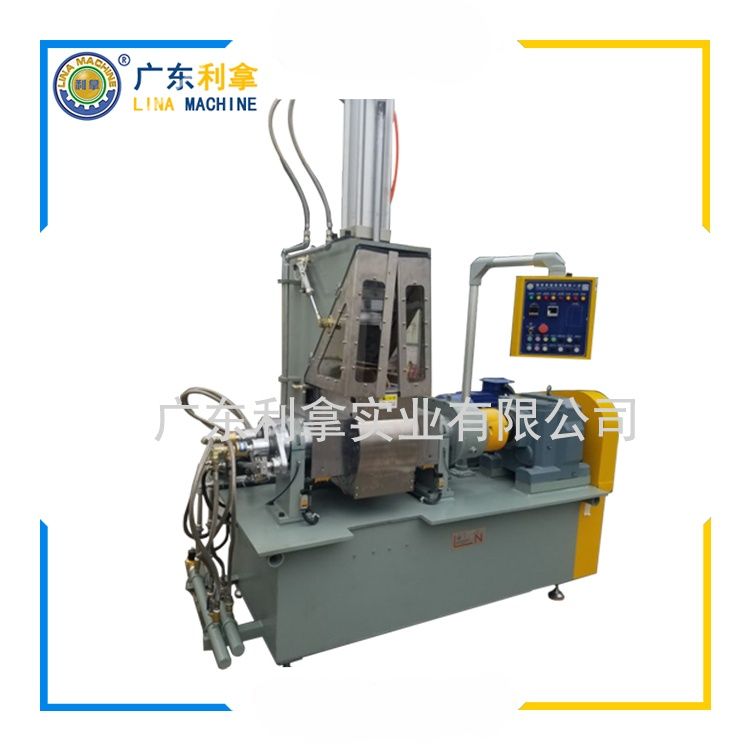
4. Ultrasonic Mixers: These machines use ultrasonic vibrations to mix materials efficiently. They are particularly useful for mixing sensitive materials such as biological samples, DNA, and nanoparticles. Ultrasonic mixers are commonly used in the life sciences, biotechnology, and pharmaceutical industries.
5. Stirrers: These machines are simple and cost-effective, suitable for small-scale applications. They use a stirrer bar to mix materials, making them ideal for mixing liquids, pastes, and other non-viscous substances. Stirrers are commonly used in the food, beverage, and chemical industries.
When selecting a mixing machine, it is essential to consider factors such as the type of material being mixed, the desired mixing speed, and the size of the batch. Proper maintenance and operation of the machine can also improve its efficiency and reduce downtime. By understanding the different types of mixing machines and their applications, manufacturers and engineers can choose the right tool for their specific needs, ensuring optimal performance and productivity.