




The EVA, TPR, and PVC Pulping Production Line
The EVA (Ethylene Vinyl Acetate) production line is a crucial component in the manufacturing process of various plastic products. It involves the synthesis of EVA from ethylene and vinyl acetate through a series of chemical reactions, producing a thermoplastic elastomer with unique properties such as flexibility, tear resistance, and flame retardancy. This product is widely used in packaging materials, automotive parts, and other industrial applications due to its excellent mechanical properties and durability.
The TPR (Thermoplastic Rubber) production line is another essential part of the plastics industry. It produces thermoplastic rubber by blending different polymers and additives, such as carbon black and stearic acid, to create a material that mimics the properties of natural rubber. TPR is commonly used in the production of tires, hoses, and other flexible components for vehicles and machinery. Its high-strength and elasticity make it an ideal choice for these applications.
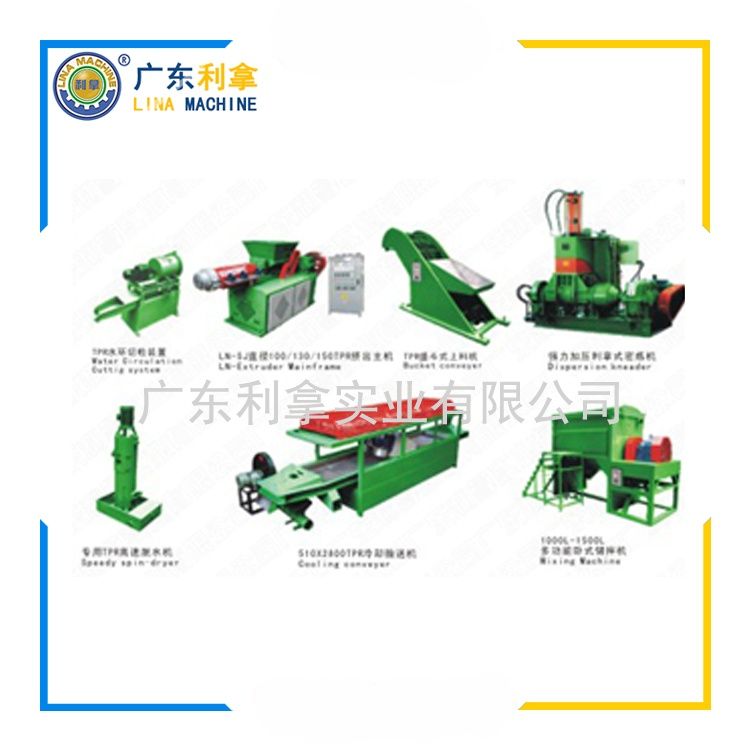
The PVC (Polyvinyl Chloride) production line is responsible for the manufacture of polyvinyl chloride pipes, tubes, and fittings. PVC is a versatile plastic material that is widely used in construction, agriculture, and transportation industries. It is resistant to corrosion, has good thermal and electrical insulation properties, and can be easily processed into various shapes and sizes. The PVC production line uses a combination of heat and pressure to melt the raw materials and then extrude them into finished products.
1. EVA production line
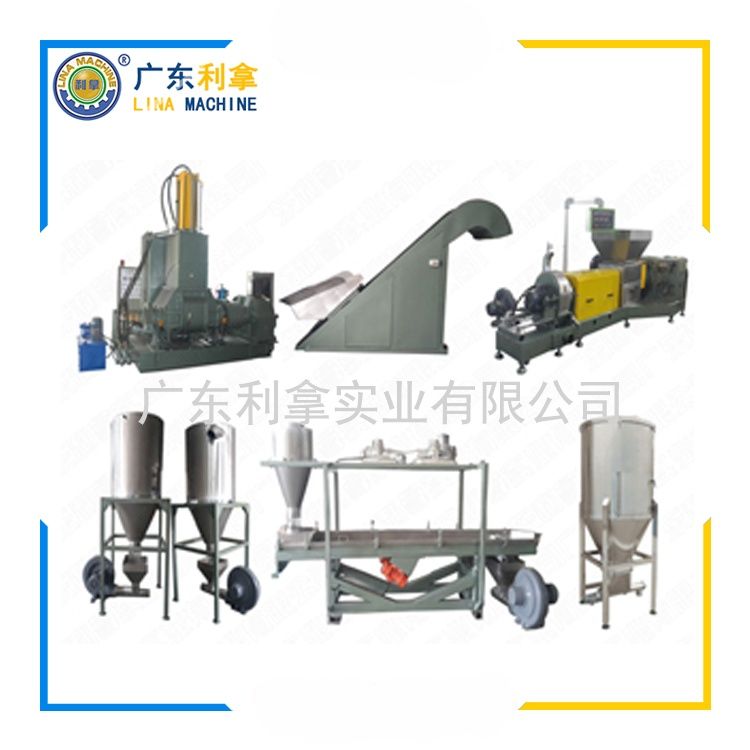
2. TPR production line
3. PVC production line
4. Plastic products
5. Polyvinyl chloride (PVC)
This article provides an in-depth analysis of the EVA, TPR, and PVC production lines, highlighting their critical roles in the plastics industry. By discussing the synthesis of EVA, the production of TPR, and the manufacturing of PVC, we explore the various applications of these materials in various industries. Additionally, we provide insights into the benefits and challenges associated with each production line, helping readers gain a comprehensive understanding of the plastics industry's complex processes.