




The Cold Feed Extruder: An Overview
The cold feed extruder is a crucial component in the food and pharmaceutical industries, particularly in the production of thermoplastic films, sheets, and profiles. This machine uses cold-pressure to melt and process materials, which are then extruded into desired shapes. Here's an in-depth look at this fascinating technology.
1. Introduction to Cold Feed Extruders
Cold feed extrusion is a method of processing polymers using low-temperature pressure to convert them into solid or semi-solid materials. It is widely used in the production of films, sheets, and profiles for packaging, disposable products, and other applications.
2. Components of Cold Feed Extruders
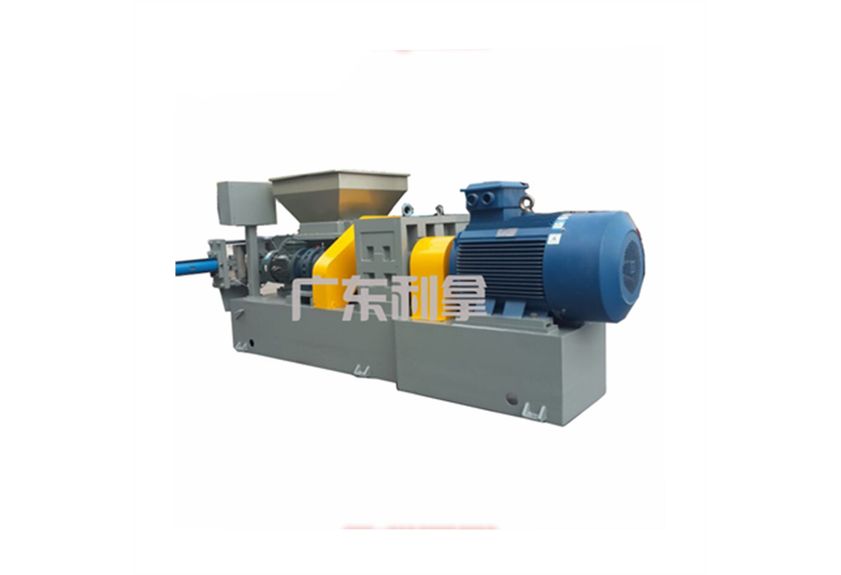
A typical cold feed extruder consists of several key components:
a. Feed System: This system is responsible for feeding the raw material into the extruder. It can be manual or automated, depending on the specific application.
b. Extruder Head: The head is where the actual extrusion takes place. It has various types of nozzles that allow for different shapes and sizes of extruded products.
c. Cooling System: This system helps to maintain the temperature of the extruded material while it cools down and solidifies. It can be either mechanical or thermal, depending on the specific application.
d. Packaging System: This system is responsible for collecting and packaging the finished product. It can be manual or automated, depending on the specific application.
3. Advantages of Cold Feed Extruders
One of the main advantages of cold feed extrusion is its ability to produce high-quality products with minimal waste. Unlike hot-press extrusion, which often results in some residual heat, cold feed extrusion produces a more uniform and consistent product. Additionally, it allows for the use of smaller die sizes, which can reduce the overall size of the equipment required.
4. Challenges in Cold Feed Extrusion
Despite its many benefits, cold feed extrusion still faces some challenges:
a. High Energy Consumption: Cold feed extrusion requires significant energy to operate, especially when compared to hot-press extrusion. This can be a significant cost factor for certain applications.
b. Limited Product Variety: Cold feed extrusion is generally limited to producing products with a relatively small range of shapes and sizes. This can make it less flexible than hot-press extrusion in terms of product customization.
c. Complex Processing: Cold feed extrusion requires careful control over several parameters, including temperature, pressure, and speed, to ensure optimal results. This can make the process more complex and time-consuming than hot-press extrusion.
5. Future Developments in Cold Feed Extrusion
As technology continues to advance, we can expect to see further improvements in cold feed extrusion. For example, advancements in automation and robotics could help reduce labor costs and improve efficiency. Additionally, new materials and processes may emerge that can further enhance the performance and flexibility of cold feed extrusion.
1. Cold Feed Extruder
2. Polymer Processing
3. Thermoplastic Films
4. Disposable Products
5. Packaging Systems
6. Automation
7. Material Selection
8. Process Control
9. Energy Consumption
10. Product Variety
11. Processing Challenges
12. Future Developments
The cold feed extruder is a critical tool in the production of thermoplastic films, sheets, and profiles used in a variety of applications, from packaging to disposable products. With its ability to produce high-quality products with minimal waste and its potential for increased product variety and process flexibility, cold feed extrusion remains a popular choice for many industries. However, challenges such as high energy consumption and limited product variety persist, making ongoing innovation essential for continued success in this field. As technology advances, we can expect to see further improvements in cold feed extrusion, opening up even more possibilities for its future development.