

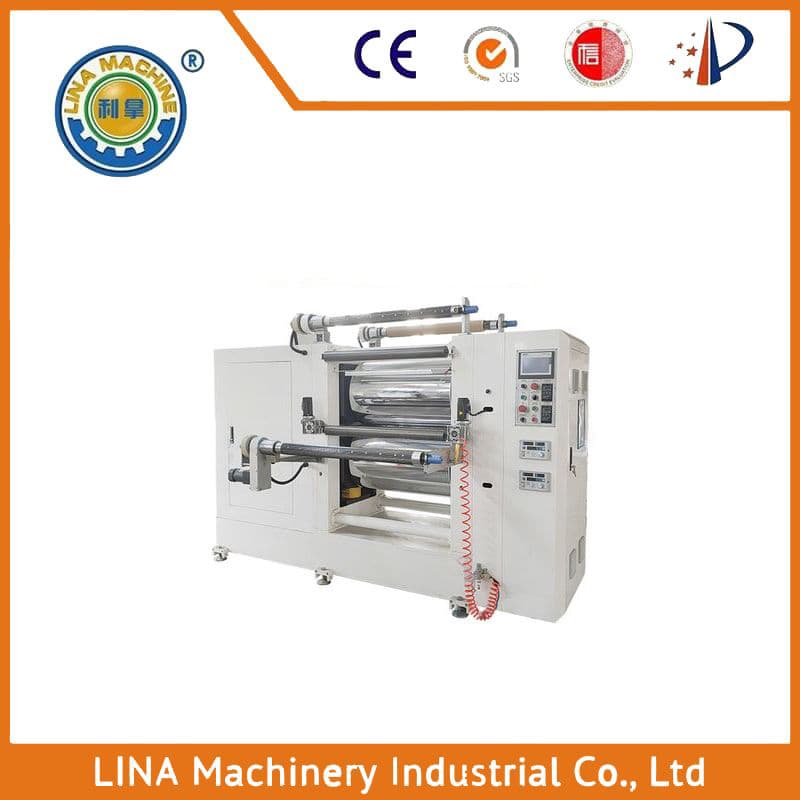
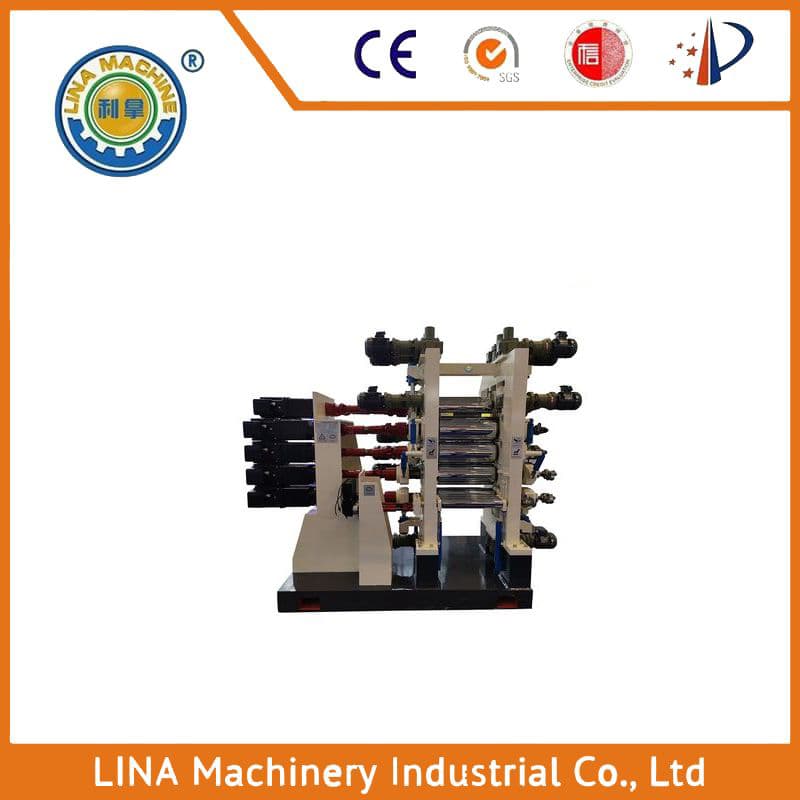
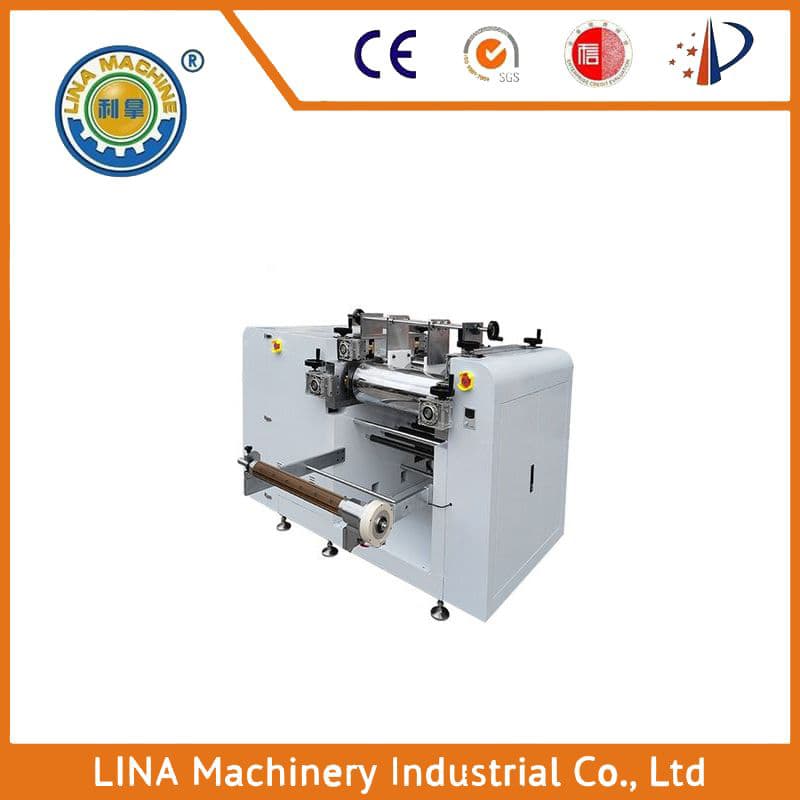
The Evolution of Foamed Silica Gel Pressing Production Lines
In the realm of industrial manufacturing, innovation is often the driving force behind progress. One such area where advancements have been made is in the production of foamed silica gel. The foamed silica gel industry has seen a significant increase in demand over recent years, driven by its diverse applications in various sectors such as electronics, automotive, and construction. This article aims to explore the evolution of foamed silica gel pressing production lines, highlighting their key features and how they contribute to the overall efficiency and quality of the product.
The first generation of foamed silica gel pressing production lines was characterized by manual labor and low-speed machines. These early systems relied on manual mold filling and compression, which resulted in inconsistent product quality and high labor costs. As technology advanced, the second generation of production lines emerged, featuring automated filling and compression mechanisms. These systems were more efficient, reducing downtime and increasing output rates. However, they still required skilled operators to operate the machinery, limiting their scalability.
The third generation of foamed silica gel pressing production lines represents a significant leap forward in automation and intelligence. These systems are equipped with advanced robotics and sensors that allow for precise control over the entire process. They can handle large volumes of material while maintaining consistent quality and reducing waste. Additionally, these systems are designed to be modular, allowing for easy integration into existing production facilities.
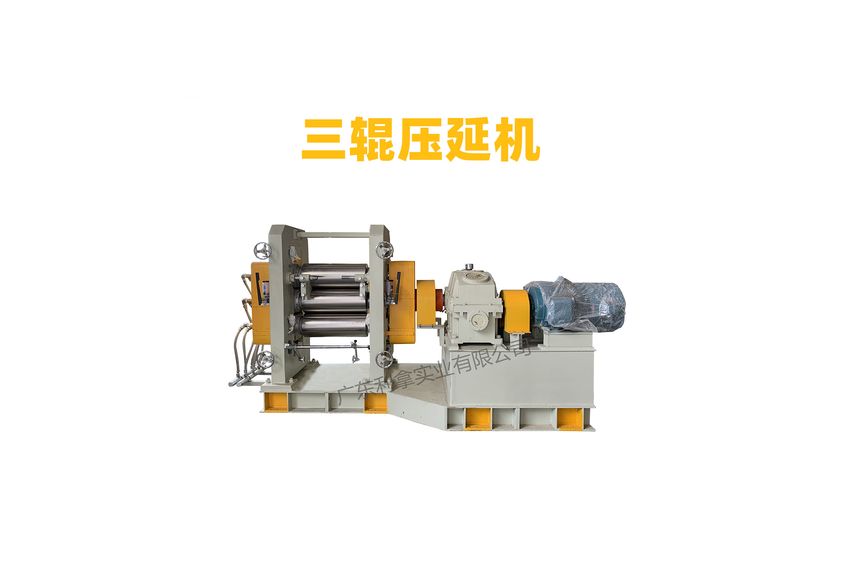
One of the key advantages of these modern production lines is their ability to produce foamed silica gel at a faster rate than traditional methods. This is achieved through the use of advanced materials and processes that minimize energy consumption and reduce environmental impact. For example, some systems now incorporate renewable energy sources such as solar panels or wind turbines to power the machinery.
Another significant development in the foamed silica gel industry is the introduction of smart technologies. These systems are equipped with sensors and data analytics software that enable manufacturers to monitor and optimize the production process continuously. This not only improves product consistency but also allows for real-time adjustments to production parameters based on changing market demands.
In conclusion, the evolution of foamed silica gel pressing production lines has been marked by technological advancements that have led to increased efficiency, quality, and sustainability. As the industry continues to evolve, it is clear that automation and intelligent systems will play an increasingly important role in shaping the future of this crucial product.