




The Secondary Dust-Proof Mixing Machine
The secondary dust-proof mixing machine is a crucial tool in the manufacturing industry, particularly in the plastics and rubber sectors. This machine is designed to mix two or more materials together while minimizing the generation of dust. It is an essential piece of equipment for ensuring the quality and consistency of finished products. In this article, we will explore the features, benefits, and applications of this innovative machine.
Features of the Secondary Dust-Proof Mixing Machine:
1. High Efficiency: The machine uses advanced technology to ensure that the materials are thoroughly mixed without any loss of quality. This results in a higher yield of finished products with better performance.
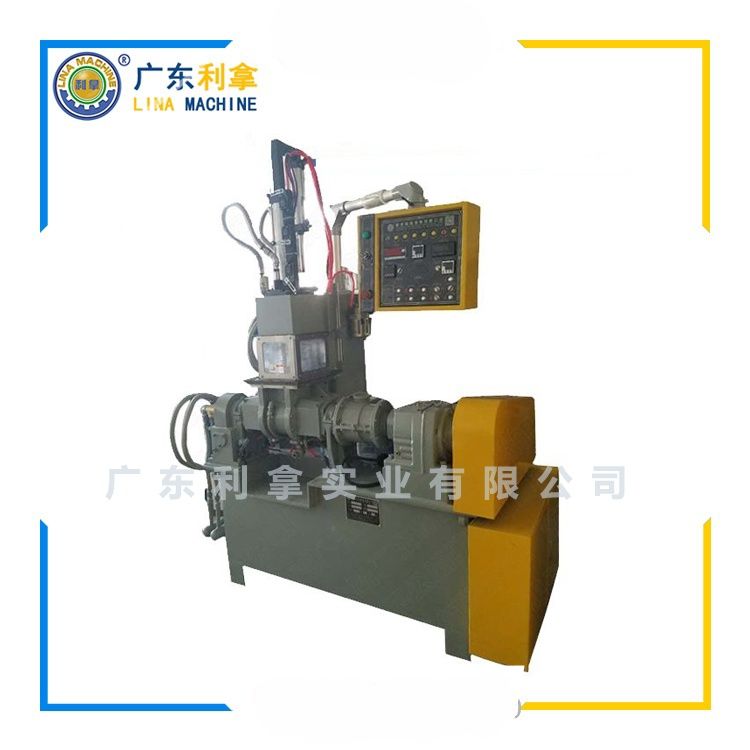
2. Reduced Dust Generation: The machine is designed to minimize the generation of dust during the mixing process. This not only reduces environmental pollution but also improves the safety of workers involved in the process.
3. Easy Maintenance: The machine is easy to maintain and requires minimal maintenance, making it a cost-effective investment for businesses.
4. Versatile Applications: The machine can be used for a wide range of materials, including plastics, rubber, and other composites. Its adaptability makes it a versatile tool for various industries.
5. Energy Efficiency: The machine is designed to use energy efficiently, reducing operating costs and contributing to sustainable production practices.
Benefits of Using the Secondary Dust-Proof Mixing Machine:
1. Improved Product Quality: The machine ensures that the final product meets the required quality standards, leading to increased customer satisfaction and market acceptance.
2. Enhanced Safety: By minimizing dust generation, the machine helps to protect workers from potential health hazards caused by exposure to dust.
3. Cost Savings: The machine's efficiency and reduced maintenance requirements result in significant cost savings for businesses.
4. Environmental Benefits: The reduction in dust generation contributes to cleaner production environments, which is beneficial for both the environment and the economy.
Applications of the Secondary Dust-Proof Mixing Machine:
1. Plastics Manufacturing: The machine is widely used in the plastics industry for mixing various types of plastics, such as polyethylene, polypropylene, and polystyrene.
2. Rubber Manufacturing: It is also commonly used in the rubber industry for mixing natural and synthetic rubbers, as well as for preparing compounded rubbers.
3. Other Composites: The machine can be used for mixing other composite materials, such as thermoplastic elastomers and thermoset resins.
4. Automotive Industry: In the automotive industry, the secondary dust-proof mixing machine is used to produce high-quality parts such as engine blocks, suspension components, and body panels.
5. Agricultural Products: The machine is also used in the agricultural industry for mixing fertilizers, pesticides, and other agricultural products.
In conclusion, the secondary dust-proof mixing machine is a valuable tool for improving the quality and consistency of finished products in various industries. Its features, benefits, and applications make it an essential investment for businesses looking to enhance their production processes and reduce costs. As technology continues to advance, we can expect to see even more innovative designs and improvements in this important machine.