

The Role of Open Roller Mills in Shoe Material Production
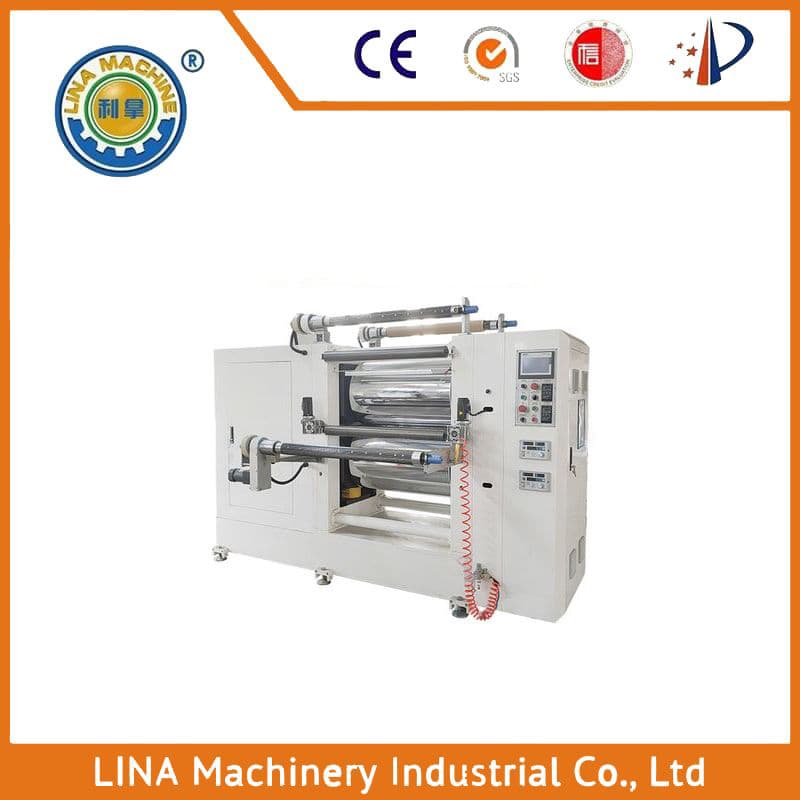
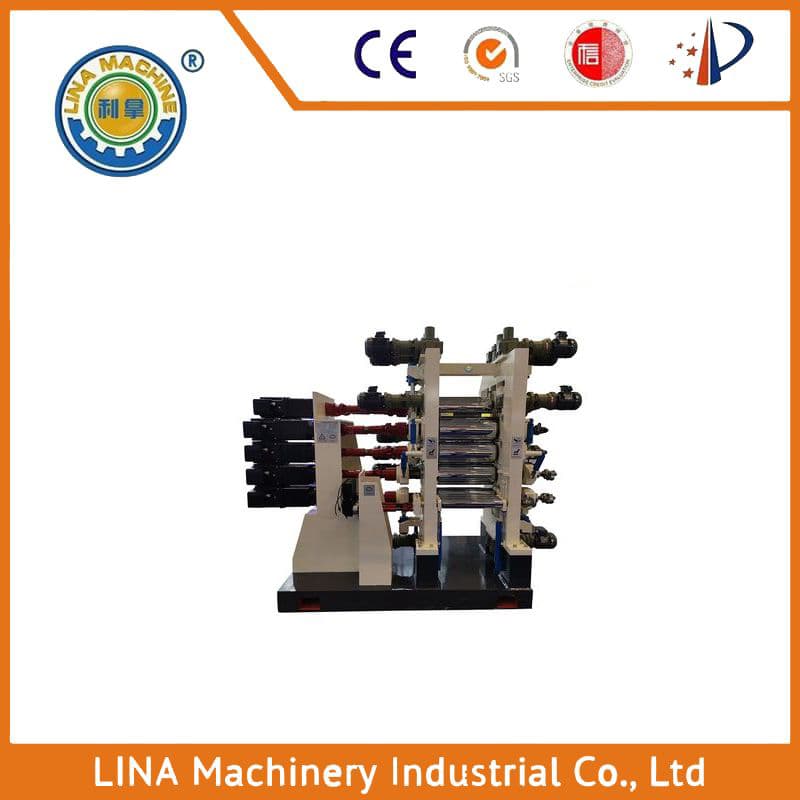
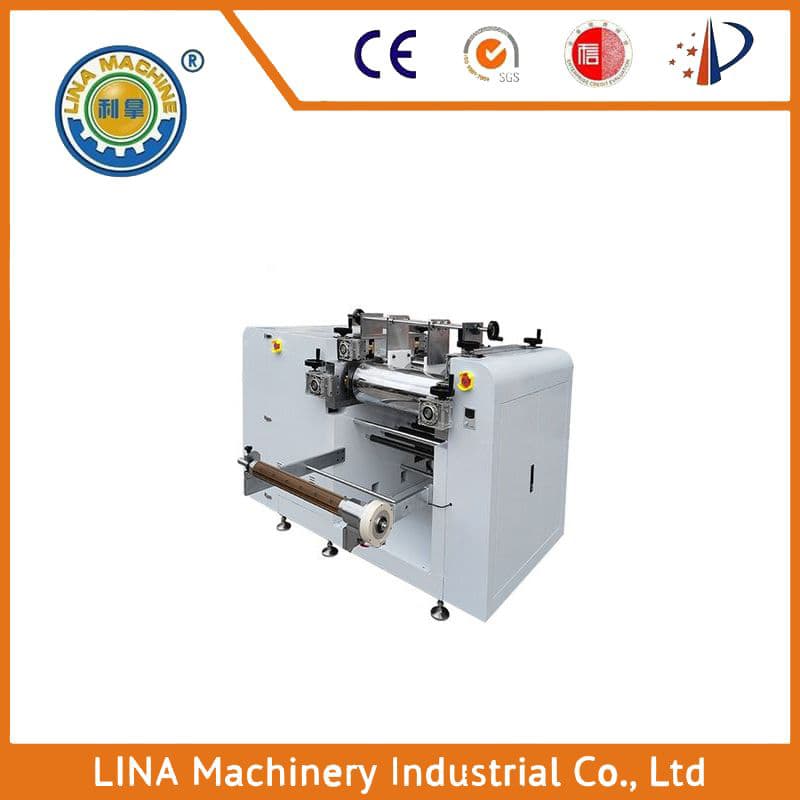
Open roller mills are an essential tool in the shoe material production process. These machines allow for the mixing and shaping of various materials into a uniform, consistent product. They are used to create rubber soles, uppers, and other components that make up shoes. The open roller mill is a versatile machine that can handle a wide range of materials, including natural and synthetic rubbers, plastics, and foams.
The open roller mill consists of a rotating drum with a series of rollers on its surface. As the drum rotates, the rollers roll over the material being processed. This creates friction, which heats up the material and helps it to melt. The melted material then flows down the rollers and onto a cooled plate, where it solidifies into a finished product.
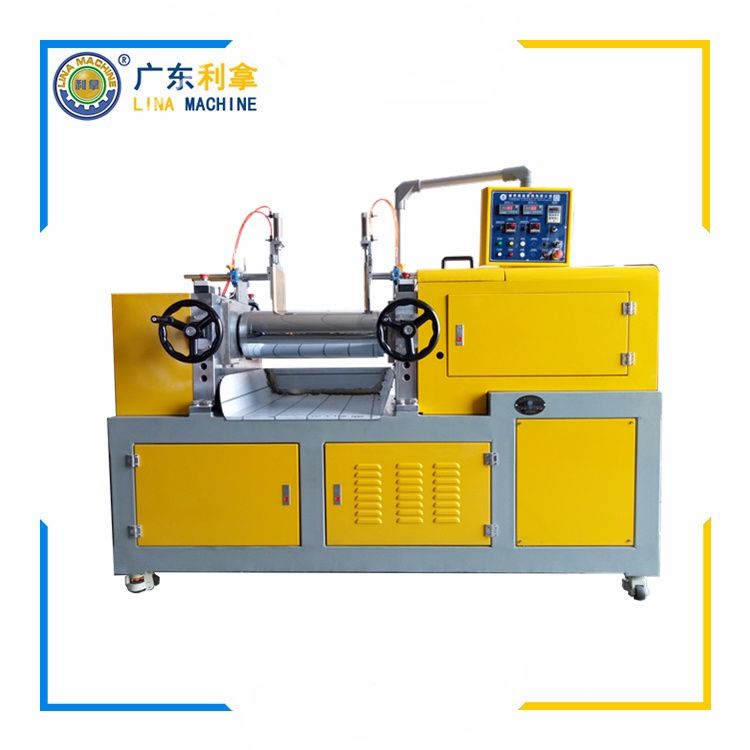
One of the key benefits of using an open roller mill is its ability to process large volumes of material quickly and efficiently. This makes it ideal for factories that need to produce a large number of shoes in a short amount of time. Additionally, open roller mills are relatively low-cost compared to other types of machinery, making them an attractive option for small businesses or startups.
Another advantage of open roller mills is their flexibility. They can be customized to meet specific needs, such as adjusting the speed of rotation or changing the size of the rollers. This allows manufacturers to tailor their products to meet the demands of different markets and customers.
In conclusion, open roller mills play a crucial role in the shoe material production process. Their ability to process large volumes of material quickly and efficiently, combined with their flexibility, makes them an indispensable tool for many shoe manufacturers. By understanding the basic principles of open roller mill operation, shoe manufacturers can optimize their production processes and achieve greater success in the competitive market.