




The Art of Ceramic Powder Consolidation and Granulation in a Single Machine
The ceramic industry is one of the most intricate and demanding sectors, requiring high-quality raw materials and precise manufacturing processes. One such process that has revolutionized the ceramic industry is the use of ceramic powder consolidation and granulation machines. These machines are designed to produce uniform, high-quality ceramic products with minimal waste and maximum efficiency. In this article, we will explore the features, benefits, and applications of these innovative machines.
Firstly, let us discuss the features of ceramic powder consolidation and granulation machines. These machines are equipped with advanced technology that allows for precise control over the mixing, compaction, and sintering of ceramic powders. They feature a variety of configurations, including rotary drums, roller mills, and extruders, depending on the specific requirements of the product being produced. Some of the key features of these machines include:
1. High-speed rotation: These machines have rotating drums or rollers that rotate at high speeds, ensuring even mixing and compaction of the ceramic powders.
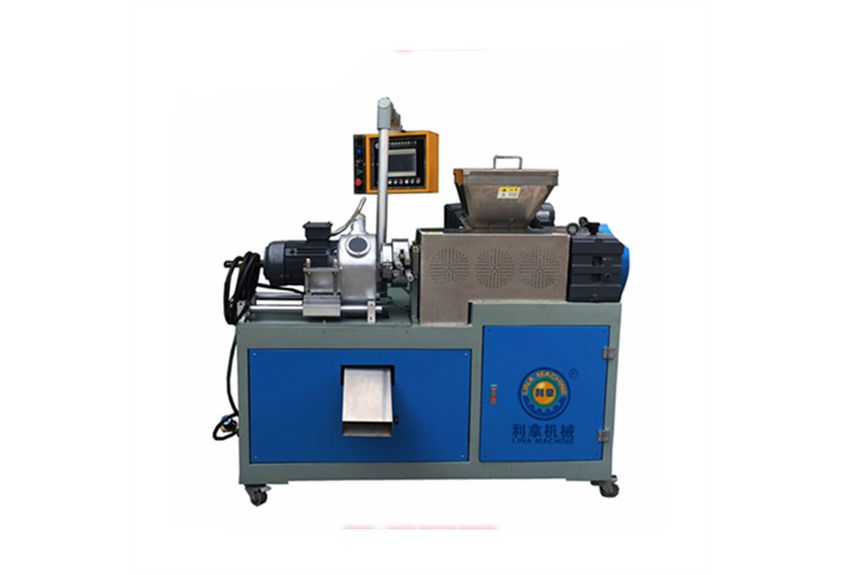
2. Advanced mixing technology: These machines use advanced mixing technologies such as twin-screw extruders, which can mix ceramic powders more efficiently than traditional methods.
3. Sintering capabilities: Many of these machines are equipped with sintering capabilities, allowing for the production of dense, high-quality ceramic products.
4. Robust design: These machines are built to withstand the rigors of the ceramic industry, with durable materials and robust components that can withstand high temperatures and pressures.
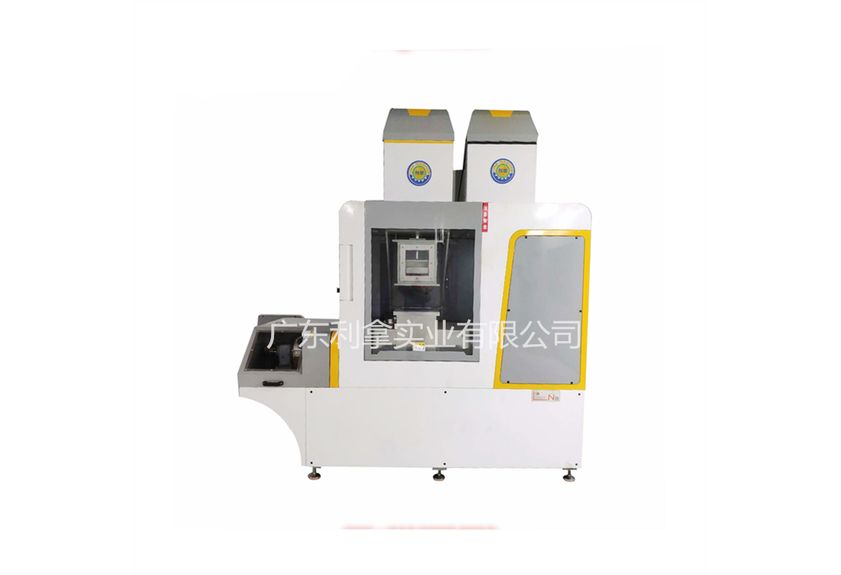
Now, let us explore some of the benefits of using ceramic powder consolidation and granulation machines. Firstly, they significantly reduce labor costs by eliminating the need for manual labor during the mixing and compaction stages. This not only saves time but also reduces the risk of human error, leading to consistent product quality. Secondly, these machines can produce high-quality ceramic products with minimal waste, resulting in significant cost savings for the end user. Finally, these machines offer flexibility in terms of product customization, allowing for the production of various types of ceramic products with varying specifications.
In conclusion, ceramic powder consolidation and granulation machines represent a significant advancement in the ceramic industry. With their advanced technology and ability to produce high-quality ceramic products with minimal waste, these machines have become an essential tool for manufacturers looking to improve their productivity and efficiency. As the demand for high-quality ceramic products continues to grow, it is clear that these machines will continue to play a crucial role in shaping the future of the ceramic industry.