

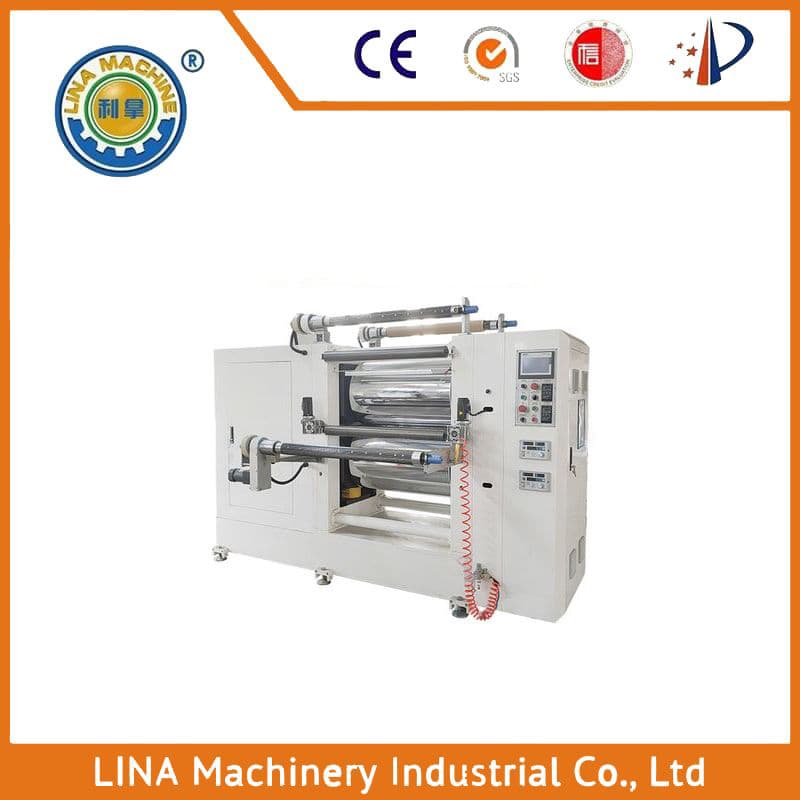
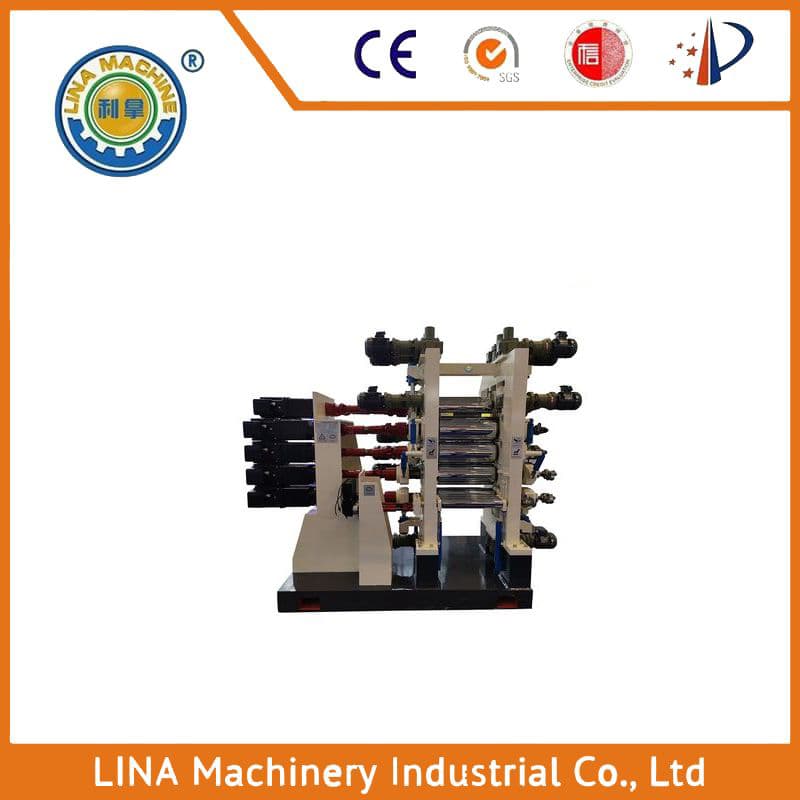
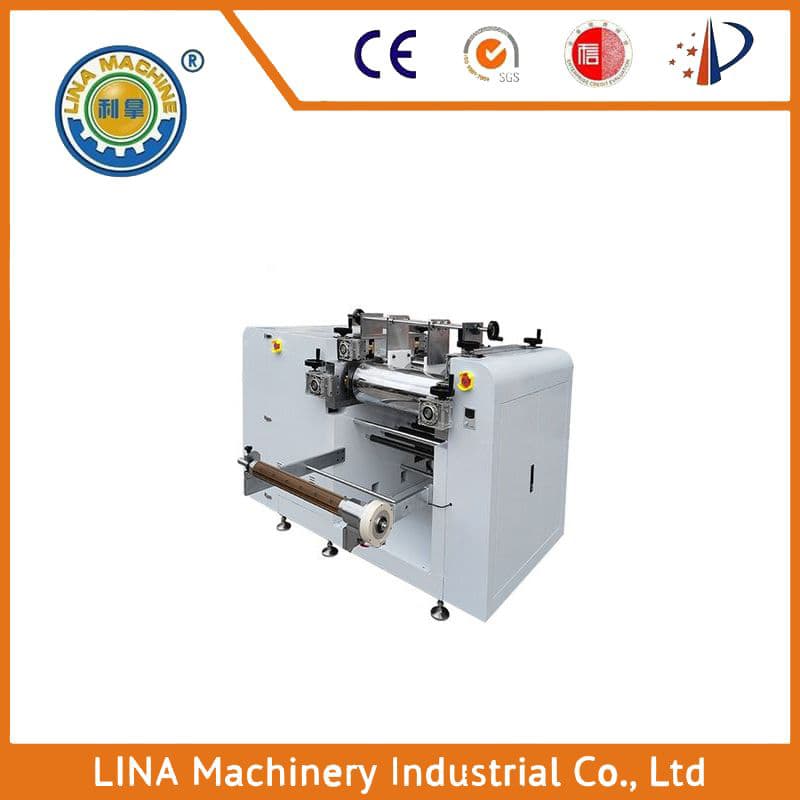
Advanced Thermal Management Technology with Graphite Film Rolling Press
The advancements in electronics and computer hardware have led to an increased demand for efficient thermal management solutions. One such solution is the use of graphite film rolling presses, which are crucial components in the production of high-performance heat sinks and thermal interface materials. In this article, we will explore the principles behind graphite film rolling presses, their applications in the electronics industry, and the benefits they offer in terms of thermal efficiency and cost savings.
At its core, a graphite film rolling press is a machine that uses high-pressure rolls to compress and shape a thin layer of graphite material into a continuous sheet. This process creates a highly conductive and stable surface that can be used as a thermal interface between electronic components and their heat sinks. The graphite film is then coated with a protective layer, such as copper or aluminum, to enhance its electrical conductivity and durability.
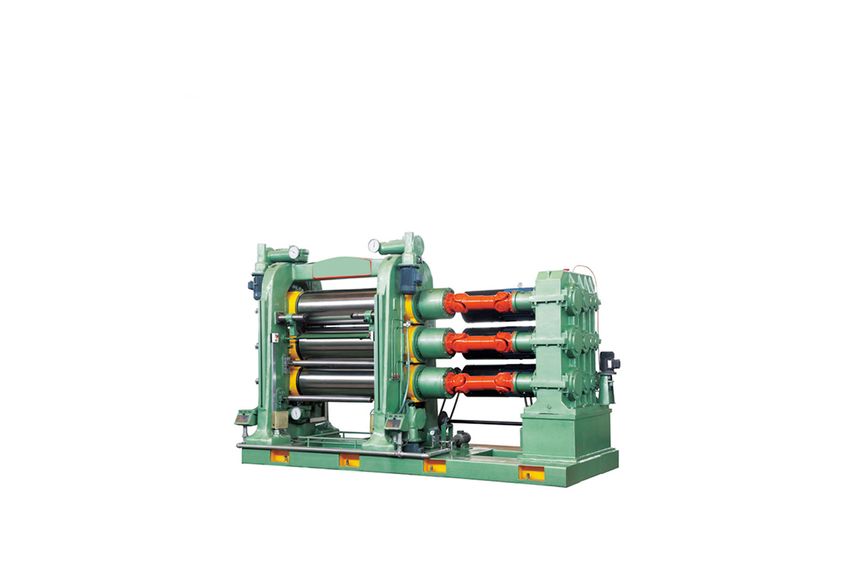
One of the key advantages of graphite film rolling presses is their ability to produce high-quality thermal interface materials at low temperatures. This makes them ideal for use in extreme environments, such as spacecrafts and military equipment, where temperature control is critical. Additionally, graphite film rolling presses can be easily integrated into existing manufacturing processes, allowing for cost savings on both time and labor.
In the electronics industry, graphite film rolling presses are used in a variety of applications, including CPU coolers, power supply units, and motherboard heat sinks. These devices help to dissipate heat generated by electronic components, preventing overheating and ensuring optimal performance. By using graphite film rolling presses, manufacturers can achieve higher levels of thermal efficiency and reduce the need for expensive cooling solutions.
Another benefit of graphite film rolling presses is their ability to produce consistent quality across different batches. This ensures that electronic devices remain cool and reliable, even when subjected to varying operating conditions. Furthermore, graphite film rolling presses can be customized to meet specific requirements, such as thickness, width, and electrical conductivity, making them a versatile tool for the electronics industry.
In conclusion, graphite film rolling presses are a vital component in the production of high-performance thermal interface materials. Their ability to produce consistent quality and high-quality thermal interfaces at low temperatures make them an essential tool for the electronics industry. As technology continues to advance, the demand for efficient thermal management solutions will only increase, making graphite film rolling presses an increasingly important part of the manufacturing process.