

The Cold Feed Extrusion Machine: A Comprehensive Guide
The cold feed extrusion machine is a crucial tool in the manufacturing industry, particularly in the plastics and rubber sectors. This article aims to provide an in-depth understanding of this equipment, its working principles, applications, and maintenance tips.
Cold feed extrusion machines are designed to process materials such as polyurethane foam, thermoplastics, and elastomers. These machines use a high-pressure screw to mix, knead, and extrude the raw materials into a uniform, moldable form. The resulting product can then be further processed into various shapes and sizes using other extrusion machines or injection molding techniques.
One of the key advantages of cold feed extrusion machines is their ability to produce high-quality products with minimal waste. Unlike hot-melt extrusion machines, which require heating the raw materials before processing, cold feed machines operate at room temperature, reducing energy consumption and minimizing environmental impact.
Applications of cold feed extrusion machines are diverse, including the production of automotive parts, electronic components, sports equipment, and household goods. For example, they can be used to create foam insulation for buildings, molded plastic parts for toys, or flexible hoses for industrial applications.
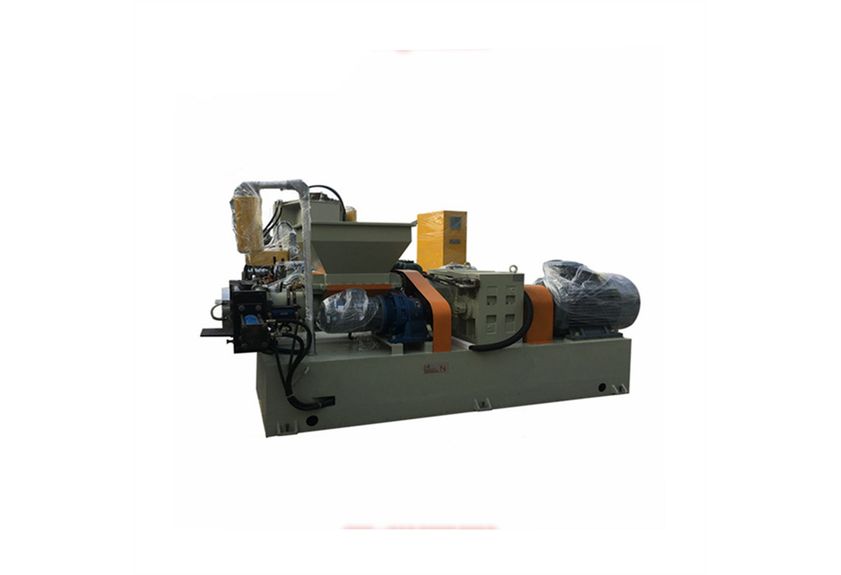
Maintenance is essential for ensuring the longevity and efficiency of cold feed extrusion machines. Regular inspections should be conducted to check for any wear or damage to the screw, bearings, and other moving parts. Additionally, lubricants should be regularly applied to reduce friction and prevent corrosion.
In conclusion, the cold feed extrusion machine is a versatile and efficient tool that plays a significant role in the manufacturing industry. By understanding its working principles and applying proper maintenance practices, businesses can maximize its potential and achieve cost savings in the long run.