




Title: The Art of Powder Makin...
Title: The Art of Powder Making: A Comprehensive Guide to Ceramic Powder Grinding Machines
Introduction:
In the realm of ceramics, powder technology plays a pivotal role in shaping and molding the raw materials into intricate and durable pieces. One of the most crucial tools in this process is the ceramic powder grinding machine. This article delves into the various types of ceramic powder grinding machines, their applications, and how they contribute to the success of ceramic production.
Types of Ceramic Powder Grinding Machines:
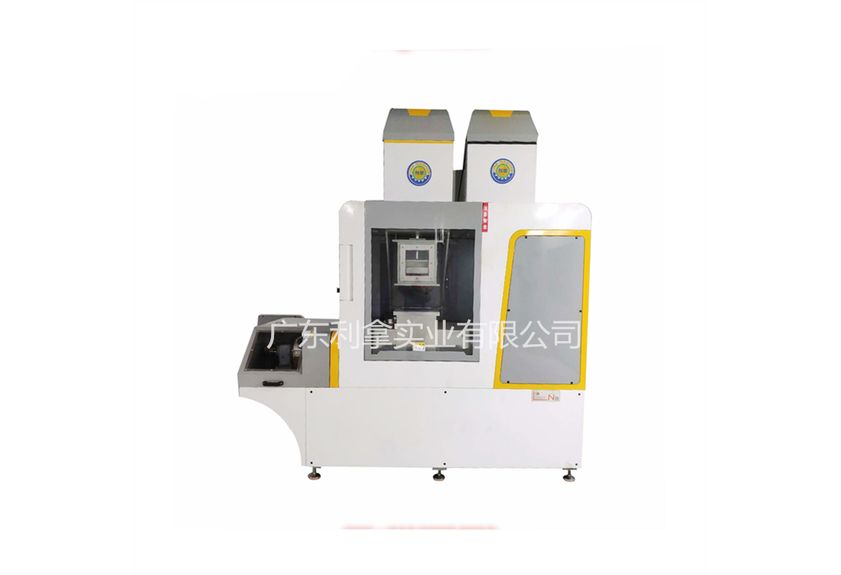
1. Ball Mills: These are the most common type of grinding machines used for ceramic powders. They consist of a rotating cylinder filled with steel balls that grind the powder against itself. Ball mills are versatile and can be used for both wet and dry grinding processes.
2. Rod Mills: Unlike ball mills, rod mills use a rotating rod instead of steel balls. This design allows for more efficient grinding and reduces the risk of wear on the grinding media. Rod mills are ideal for grinding finer powders and are commonly used in high-end ceramic production.
3. Roller Mills: These machines use rollers to grind the powder against itself. They are particularly effective for grinding hard and brittle materials like ceramic powders. Roller mills offer high grinding efficiency and can handle a wide range of particle sizes.
4. Ultrasonic Grinding Machines: These machines use ultrasonic vibrations to break down the powder particles, resulting in a finer grind. They are ideal for grinding softer materials like clay or glass.
Applications of Ceramic Powder Grinding Machines:
Ceramic powder grinding machines are essential for several reasons:
1. Quality Control: By grinding the powder to the desired particle size, manufacturers can ensure consistency in the final product's quality. This is particularly important in the production of high-end ceramics such as porcelain or glazed ceramics.
2. Efficiency: Grinding machines can significantly increase the output of a ceramic production line by reducing the amount of time spent on manual labor. This not only saves resources but also improves productivity.
3. Environmental Sustainability: Modern ceramic powder grinding machines are designed to minimize energy consumption and emissions. This is particularly important in industries that produce large amounts of waste or have limited access to clean energy sources.
4. Customization: With the help of advanced grinding technologies, manufacturers can create customized ceramic products that meet specific customer requirements. This includes different shapes, textures, and colors, making ceramics more versatile and appealing to consumers.
Conclusion:
The ceramic powder grinding machine is a critical component in the production of high-quality ceramic products. From ball mills to ultrasonic grinding machines, each type offers its unique advantages and capabilities. By understanding the different types of grinding machines and their applications, ceramic manufacturers can optimize their production processes and achieve maximum efficiency and sustainability. As the demand for ceramic goods continues to grow, the importance of these grinding machines will only continue to rise.