




The Art of the Pulverizer: An Introduction to the Pulverizing Machine
The pulverizer is a crucial piece of equipment in the food processing industry, used to break down larger ingredients into smaller particles that can be more easily mixed and absorbed by the body. This process is essential for many foods, such as bread, pasta, and even some types of meats. In this article, we will explore the basic principles behind pulverization, the different types of pulverizers available, and how they work.
At its core, pulverization involves crushing or grinding materials into a fine powder. This process is achieved through the use of high-speed rotating blades or rollers, which crush the material against each other. The resulting powder is then collected and stored for future use.
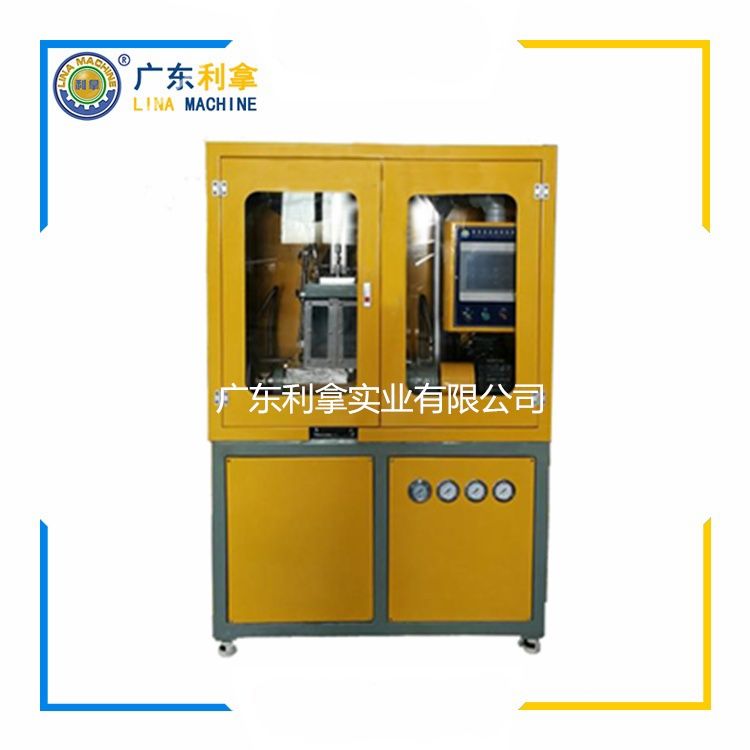
There are several types of pulverizers available, each with its own unique features and applications. Here are three of the most common types:
1. Roller Mill: This is the most common type of pulverizer used in industrial settings. It consists of two large rollers that rotate against each other, crushing the material between them. The resulting powder is collected in a hopper at the top of the mill.
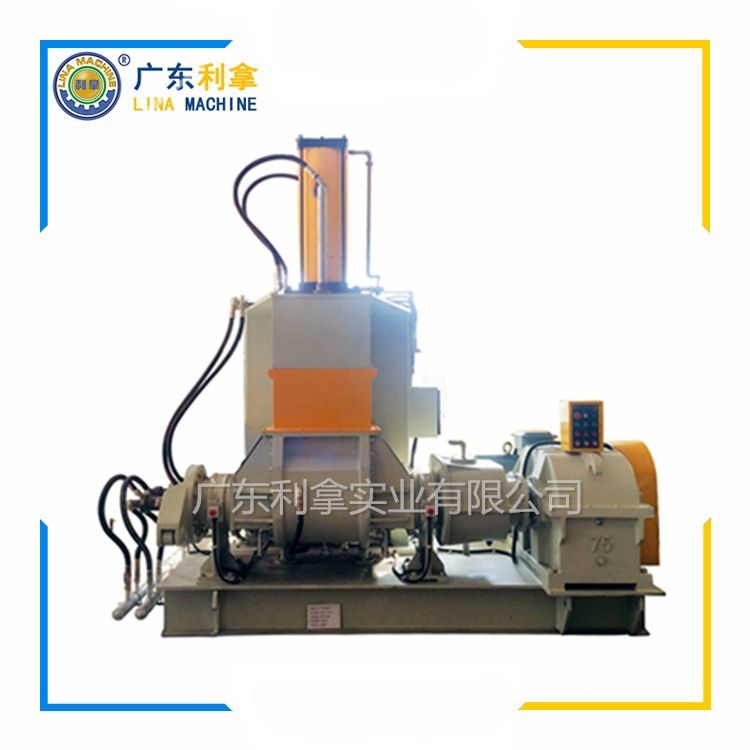
2. Ball Mill: This type of pulverizer uses small balls instead of rollers to crush the material. The balls are arranged in a circular pattern around the edges of the mill, which helps to evenly distribute the force of impact. The resulting powder is collected in a similar manner to a roller mill.
3. Hammer Mill: This type of pulverizer uses heavy-duty hammers to crush the material. The hammers are mounted on a rotating shaft, which causes them to strike the material repeatedly. The resulting powder is collected in a hopper at the top of the mill.
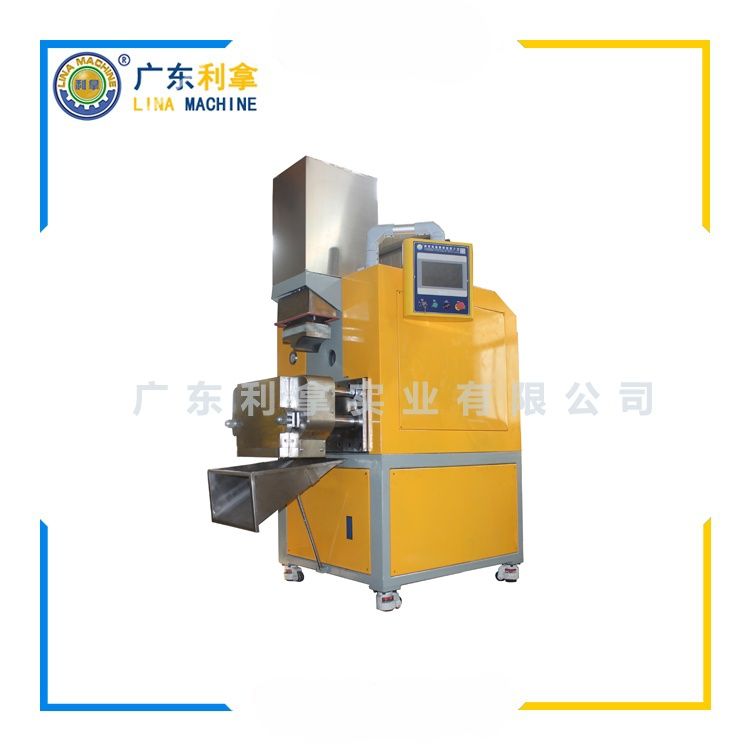
Each type of pulverizer has its own advantages and disadvantages, depending on the specific needs of the food industry. For example, roller mills are generally more efficient than ball mills, but they require more maintenance due to their larger size and weight. Hammer mills are less expensive to operate but may produce a coarser powder than other types of pulverizers.
In conclusion, the art of pulverization is an important part of the food processing industry. By understanding the different types of pulverizers available and their respective advantages and disadvantages, producers can choose the best option for their specific needs. Whether you're looking for a simple solution or a complex setup, there's a pulverizer out there that can help you achieve your desired outcome.