


Understanding Sulfurizing Machines: A Comprehensive Guide
Sulfurizing machines are essential tools in the manufacturing industry, particularly in the production of fertilizers and related chemicals. These machines use sulfur as a raw material to produce various products such as sulfuric acid, ammonium sulfate, and sulfur powder. In this article, we will explore the basic principles, components, and applications of these machines, as well as their advantages and disadvantages.
Firstly, let's understand the basic principles of sulfurizing machines. These machines work by heating sulfur in a reaction chamber with oxygen or air, which causes it to react with water to produce sulfuric acid. The resulting sulfuric acid is then separated from the other by-products and purified for further use.
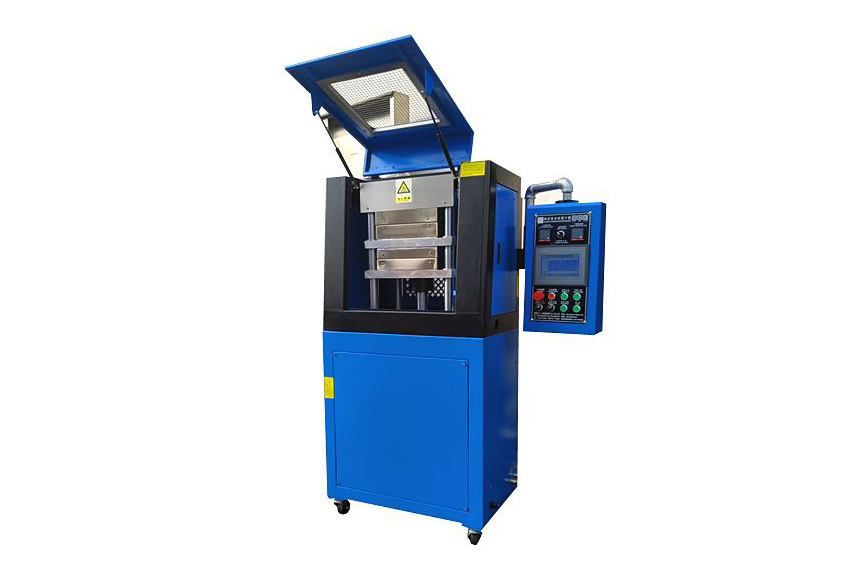
The main components of a sulfurizing machine include the reaction chamber, heating element, cooling system, and separation system. The reaction chamber is where the sulfur is heated and reacted with oxygen or air. The heating element provides the necessary heat energy for the reaction to occur. The cooling system helps maintain the temperature of the reaction chamber during the process. The separation system separates the sulfuric acid from the other by-products and purifies it for further use.
Now that we have a basic understanding of the components of a sulfurizing machine, let's look at its applications. These machines are used in various industries, including agriculture, chemical manufacturing, and mining. In agriculture, they are used to produce sulfuric acid for fertilizer production. In chemical manufacturing, they are used to produce sulfuric acid for various industrial processes. In mining, they are used to extract sulfur from natural sources.
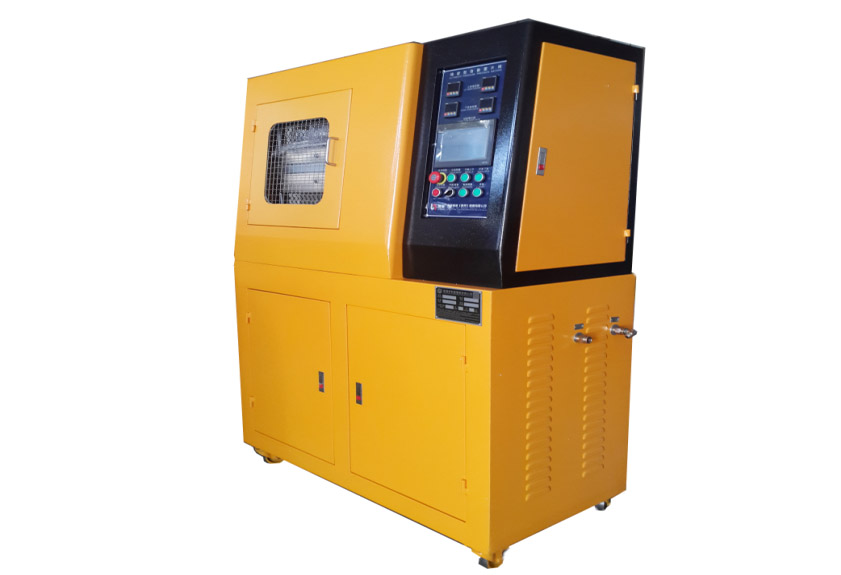
Advantages of sulfurizing machines include their ability to produce high-quality sulfuric acid, efficient energy usage, and low operating costs. They also have a minimal environmental impact compared to traditional methods of producing sulfuric acid. However, some disadvantages exist, such as the need for skilled operators and the potential for equipment failure due to wear and tear.
In conclusion, sulfurizing machines are an essential tool in the manufacturing industry, particularly in the production of fertilizers and related chemicals. By understanding their basic principles, components, and applications, we can better appreciate their importance in our daily lives.