
The Development of Hydrogen Fuel Cell Bipolar Plate Rolling Line
The hydrogen fuel cell industry is rapidly advancing, driven by the increasing demand for clean energy and environmental sustainability. One of the key components in a hydrogen fuel cell system is the bipolar plate, which serves as the interface between the cathode and anode electrodes. To meet the high standards of quality and efficiency required in this field, the production process of bipolar plates has undergone significant improvements through advanced manufacturing technologies. Among these, the development of the hydrogen fuel cell bipolar plate rolling line stands out as a crucial step towards achieving higher production rates and better product consistency.
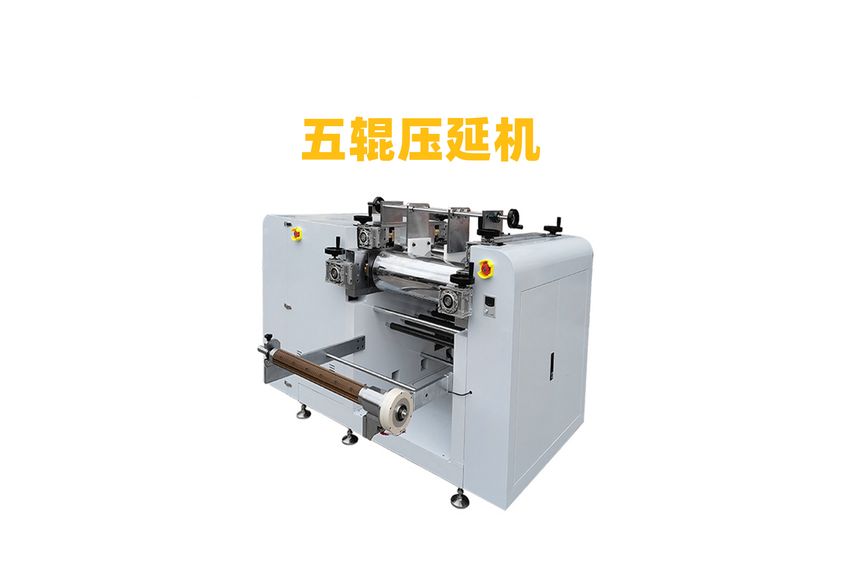
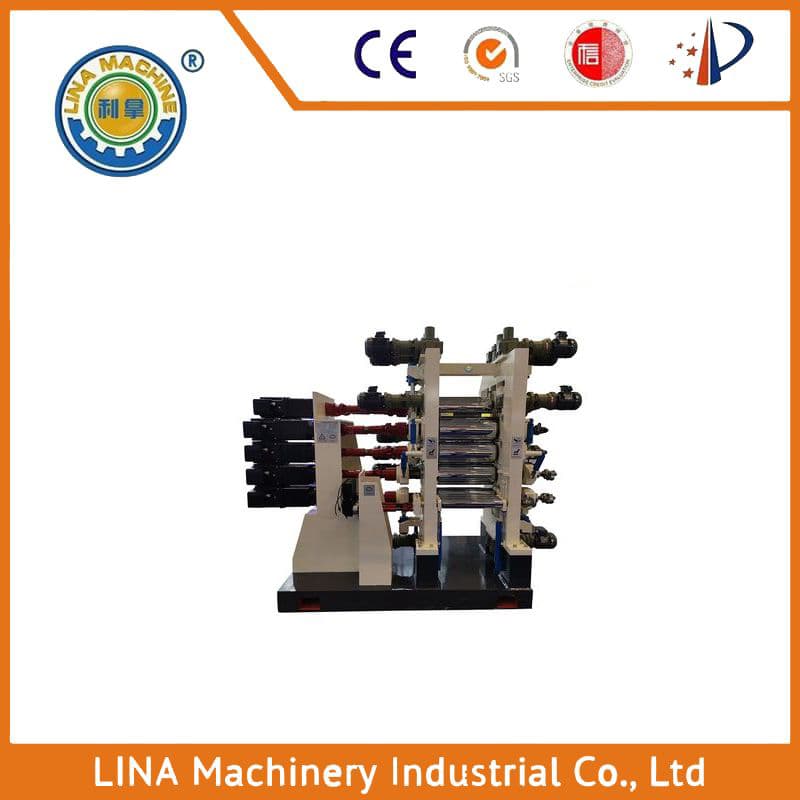
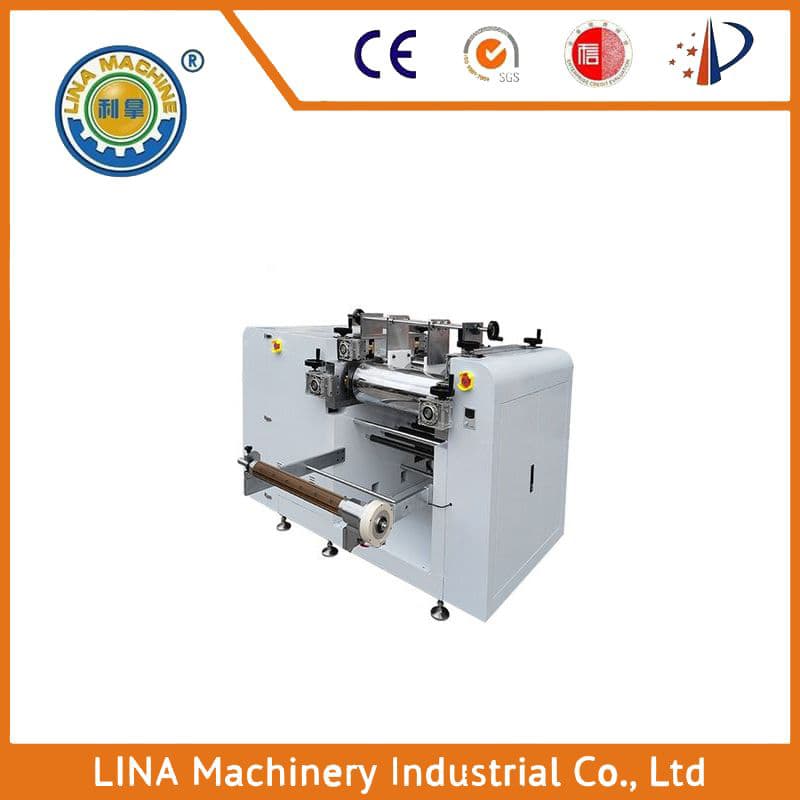
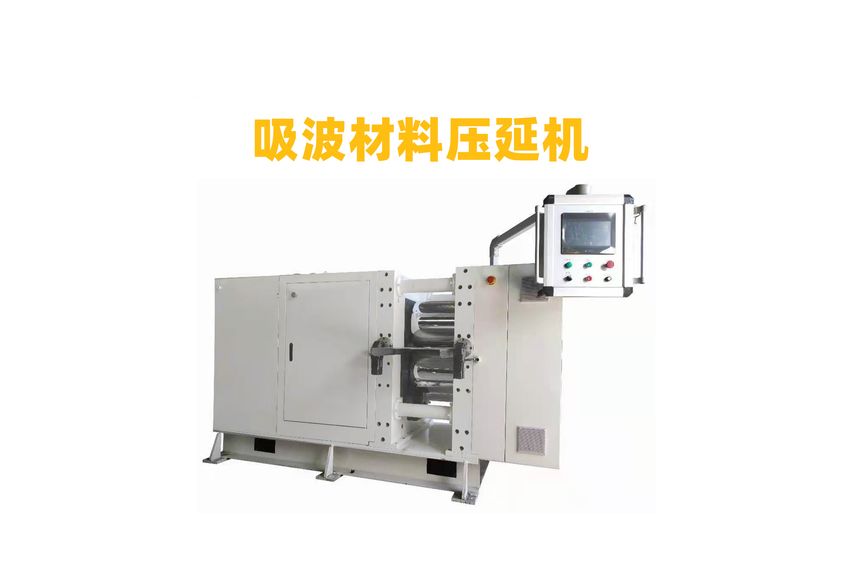
The bipolar plate rolling line is a complex assembly line that involves several critical steps to produce high-quality bipolar plates. At the heart of this line is the roll forming machine, which uses precise control to shape the bipolar plates into their final form. This process requires a delicate balance between material properties, roller pressure, and temperature control to ensure that the bipolar plates are both strong and flexible enough to withstand the harsh operating conditions of a hydrogen fuel cell.
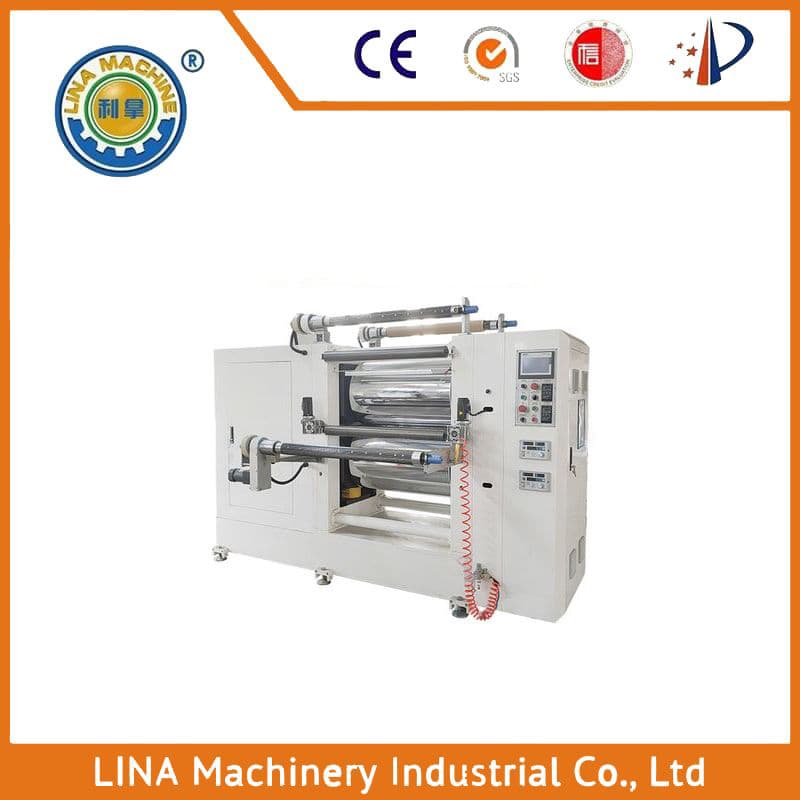
In addition to the roll forming machine, other key components of the bipolar plate rolling line include the cutting machine, which cuts the bipolar plates to the desired size and shape, and the finishing machine, which applies polishing and coating processes to improve the surface finish and durability of the bipolar plates. These machines work together seamlessly to produce high-quality bipolar plates that can withstand the demanding conditions of a hydrogen fuel cell.
The development of the hydrogen fuel cell bipolar plate rolling line has been driven by the need for increased efficiency and reduced costs. As the industry continues to grow, there is an increasing demand for reliable and cost-effective bipolar plates that can be produced quickly and efficiently. By investing in advanced manufacturing technologies, manufacturers can achieve these goals while also improving product quality and reducing waste.

1. Hydrogen Fuel Cell
2. Bipolar Plate
3. Rolling Line
4. Manufacturing Technology
5. Production Rate
The article discusses the development of the hydrogen fuel cell bipolar plate rolling line, highlighting its importance in meeting the high standards of quality and efficiency required in the industry. It explores the various key components of the line, including the roll forming machine, cutting machine, and finishing machine, and explains how they work together to produce high-quality bipolar plates. The article also highlights the benefits of investing in advanced manufacturing technologies, such as precision control and automated processes, which can help manufacturers achieve increased efficiency and reduced costs while improving product quality.