

The Metal Mixing Machine: An Essential Tool for the Metalworking Industry
Metal mixing machines are an essential tool in the metalworking industry, used to mix and blend various metals together. These machines are designed to achieve a high degree of homogeneity in the mixture, which is crucial for many applications such as welding, casting, and machining. In this article, we will explore the different types of metal mixing machines available, their advantages and disadvantages, and how they can benefit the metalworking industry.
1. Cone Mixers
Cones are one of the most common types of metal mixing machines used in the industry. They consist of a rotating cone that forces the metal particles to move towards the center of the machine. This process helps in achieving a uniform distribution of the materials being mixed. Cones are advantageous because they are easy to operate and maintain, and they can handle a wide range of materials. However, they may not be suitable for high-speed mixing or for large batch sizes.
2. Ball Mills
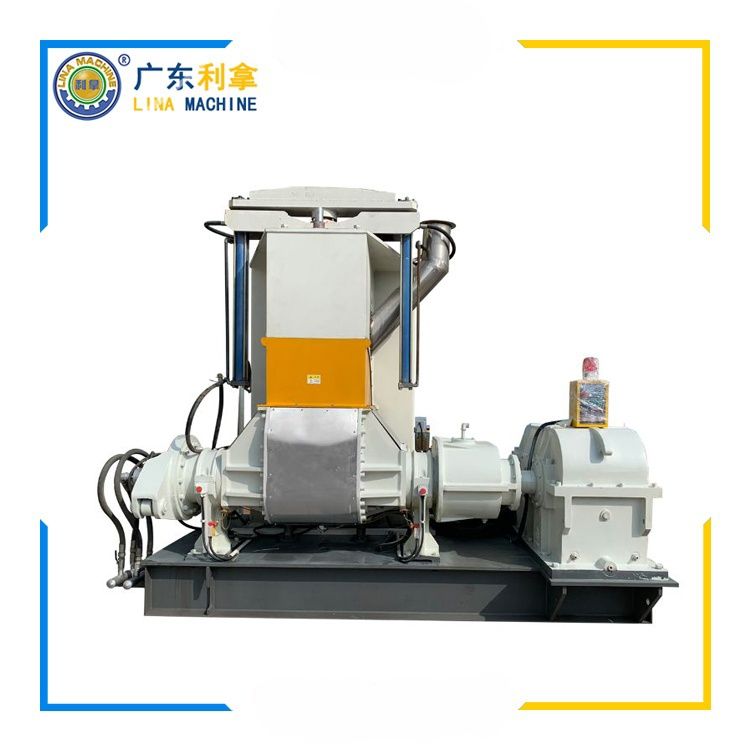
Ball mills are another popular type of metal mixing machine that uses steel balls to break down the metal particles. These mills are ideal for grinding and mixing small amounts of material, and they can be used for a wide range of applications. Ball mills have the advantage of being highly efficient, but they require more maintenance and can be noisy. Additionally, they may not be suitable for high-speed mixing or for large batch sizes.
3. Extruders
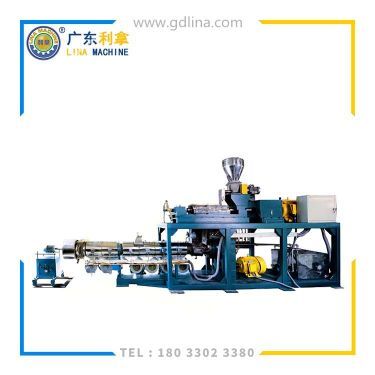
Extruders are specialized metal mixing machines that use a screw to force the metal through a die. This process helps in achieving a high degree of homogeneity in the mixture, making it ideal for applications such as extrusion molding. Extruders have the advantage of being highly efficient and capable of handling large batch sizes. However, they may not be suitable for high-speed mixing or for materials that are prone to sticking.
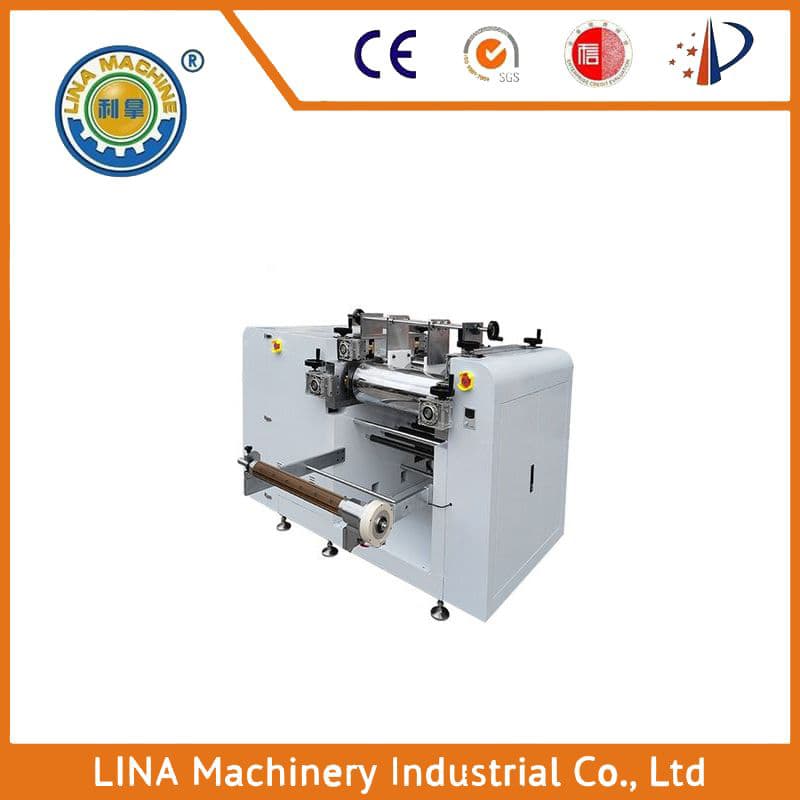
4. Roller Mills
Roller mills are another type of metal mixing machine that uses rollers to break down the metal particles. These mills are ideal for grinding and mixing small amounts of material, and they can be used for a wide range of applications. Roller mills have the advantage of being highly efficient and easy to operate, but they may not be suitable for high-speed mixing or for large batch sizes.
In conclusion, metal mixing machines play a crucial role in the metalworking industry by helping to achieve a high degree of homogeneity in the mixture. There are several types of metal mixing machines available, each with its own advantages and disadvantages. By understanding the different types of metal mixing machines and their respective advantages, metalworkers can choose the right machine for their specific needs.