




The Development of Hydrogen Fuel Cell Bipolar Plate Rolling Line
The hydrogen fuel cell, a promising technology for clean energy, relies on the efficient production of bipolar plates to ensure its performance. A bipolar plate is a crucial component in the hydrogen fuel cell, responsible for conducting current and separating reactants from products. To meet the growing demand for high-quality bipolar plates, the development of a specialized rolling line has become essential. This article will explore the key aspects of the hydrogen fuel cell bipolar plate rolling line, including its design, manufacturing process, and future prospects.
Design Principles:
The design of the bipolar plate rolling line is critical to achieving high-quality bipolar plates. The line should be equipped with advanced equipment, such as high-speed rollers and precision guide systems, to ensure uniform and consistent material processing. Additionally, the line should have intelligent control systems that can adjust parameters based on real-time data to optimize the production process.
Manufacturing Process:
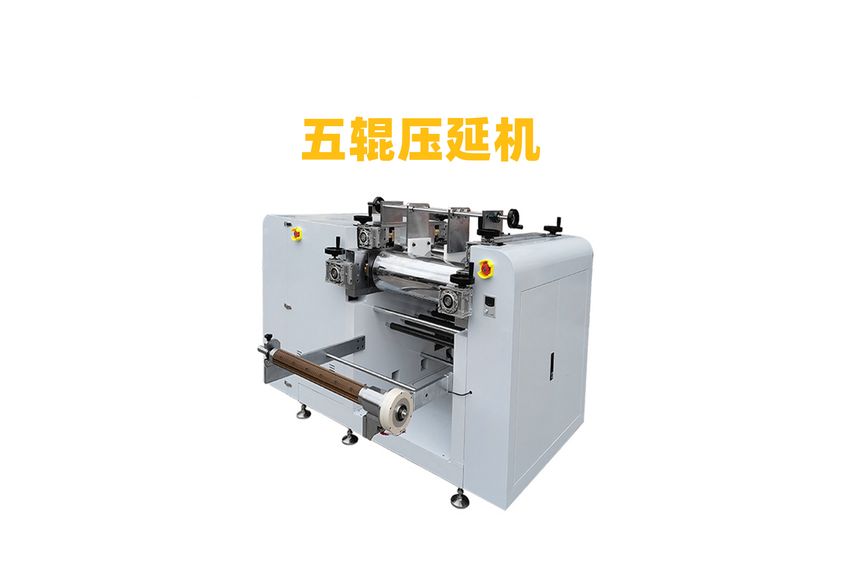
The manufacturing process of the bipolar plate rolling line involves several steps, including raw material preparation, cutting, bending, rolling, and finishing. The raw materials are first prepared, then cut into desired shapes using specialized tools. Next, the bipolar plates are bent and rolled using high-speed rollers to achieve precise dimensions and surface quality. Finally, the bipolar plates undergo finishing processes such as polishing and cleaning to remove any impurities and improve their overall performance.
Advantages:
The development of the hydrogen fuel cell bipolar plate rolling line has numerous advantages. Firstly, it can significantly reduce labor costs by increasing production efficiency and minimizing manual errors. Secondly, the use of automated equipment ensures consistency and repeatability in the production process, which is crucial for maintaining the quality of bipolar plates. Thirdly, the line's intelligent control system allows for real-time monitoring and adjustment of production parameters, further improving product quality.
Future Prospects:
The future of the hydrogen fuel cell bipolar plate rolling line looks promising. As the demand for clean energy continues to grow, the importance of bipolar plates in fuel cells will only increase. Therefore, the development of more efficient and cost-effective bipolar plate rolling lines is essential for the industry's growth. Additionally, advancements in materials science and manufacturing technology may lead to new designs and methods that further enhance the performance and reliability of bipolar plates.
1. Hydrogen Fuel Cell
2. Bipolar Plate
3. Rolling Line
4. Manufacturing Process
5. Smart Control System
This article provides an in-depth analysis of the development of the hydrogen fuel cell bipolar plate rolling line, highlighting its design principles, manufacturing process, and future prospects. By exploring these key aspects, we hope to help readers gain a comprehensive understanding of this important technology and its impact on the future of clean energy.