



The Role of Compounding Machines in the Manufacturing Industry
Compounding machines are crucial tools in the manufacturing industry, enabling the production of a wide range of materials and products. These machines work by mixing different components together to create a homogeneous mixture that can be molded or shaped into desired forms. In this article, we will explore the various types of compounding machines, their applications, and how they contribute to the overall efficiency and quality of the manufacturing process.
Firstly, there are two main types of compounding machines: batch and continuous. Batch machines are used for small-scale production where a fixed amount of material is mixed together before being dispensed. Continuous machines, on the other hand, are designed to continuously produce a consistent output throughout the entire production cycle. These machines are ideal for large-scale production where high-quality consistency is required.
One of the most common applications of compounding machines is in the food industry. They are used to mix ingredients such as flour, sugar, and oil to create dough or batter. This ensures that the final product has a uniform texture and taste. Similarly, compounding machines are also used in the pharmaceutical industry to mix active ingredients with excipients to create tablets or capsules.
Another important application of compounding machines is in the automotive industry. They are used to mix metal powders and binders to create sheet metal parts. This ensures that the parts have a strong bond and are durable. Additionally, compounding machines are used in the construction industry to mix concrete and aggregates to create building blocks or pavers.
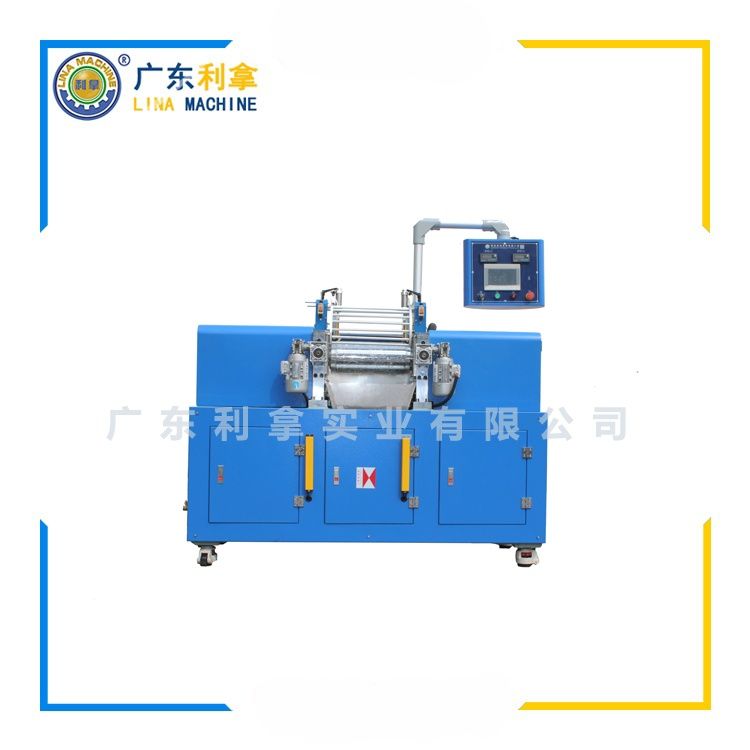
In conclusion, compounding machines play a vital role in the manufacturing industry by enabling the production of a wide range of materials and products. Their ability to mix different components together creates a homogeneous mixture that can be molded or shaped into desired forms. As technology continues to advance, compounding machines will continue to evolve and become more efficient and versatile, further enhancing the manufacturing process.