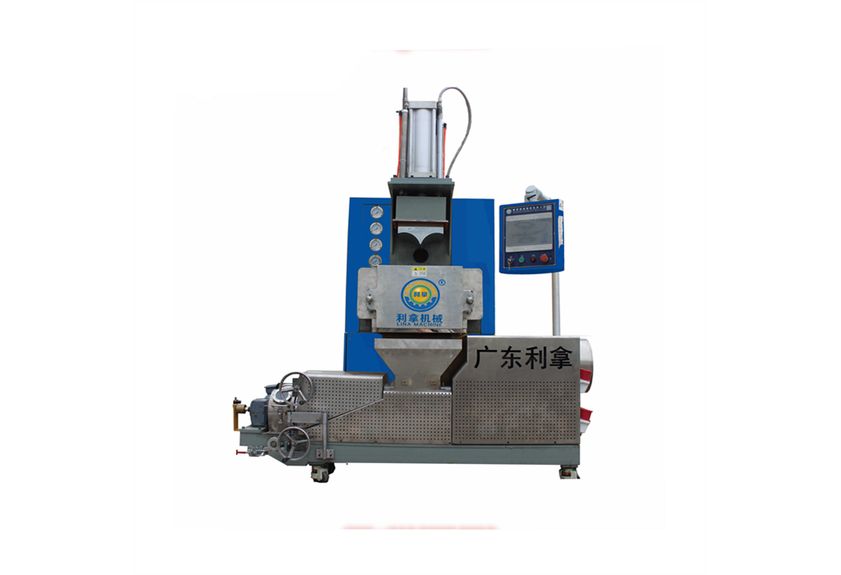



The Art of Particle Formation in Ceramic Powder Making Machines
Ceramic powder making machines play a crucial role in the production of ceramic materials, especially in the field of ceramic engineering. These machines are designed to process raw materials into finely dispersed ceramic powders that can be used in various applications such as electronics, construction, and automotive industries. In this article, we will explore the different types of ceramic powder making machines, their functions, and how they contribute to the overall ceramic industry.
Firstly, there are two main types of ceramic powder making machines: ball milling machines and fluidized bed grinding machines. Ball milling machines use a rotating ball to crush and grind the raw materials, while fluidized bed grinding machines use air or water to carry the particles and facilitate their grinding. Both types of machines have their advantages and disadvantages, but they serve the same purpose: to produce high-quality ceramic powders with consistent particle sizes and shapes.
In addition to these basic types, there are also specialized machines for producing specific types of ceramic powders. For example, a pneumatic powder making machine is used to produce ultrafine ceramic powders, while a hot isostatic pressing (HIP) machine is used to produce dense ceramic bodies. These specialized machines are essential for achieving the desired properties of ceramic materials, such as strength, toughness, and thermal conductivity.
The function of a ceramic powder making machine is to convert raw materials into finely dispersed ceramic powders. This process involves crushing, grinding, and sieving the raw materials to obtain the desired particle size and shape. The resulting powder is then dried, calcined, and sintered to form a final ceramic product. The quality of the ceramic powder directly affects the performance of the final product, so it is crucial to ensure that the machine is operating at optimal conditions to produce high-quality powders.
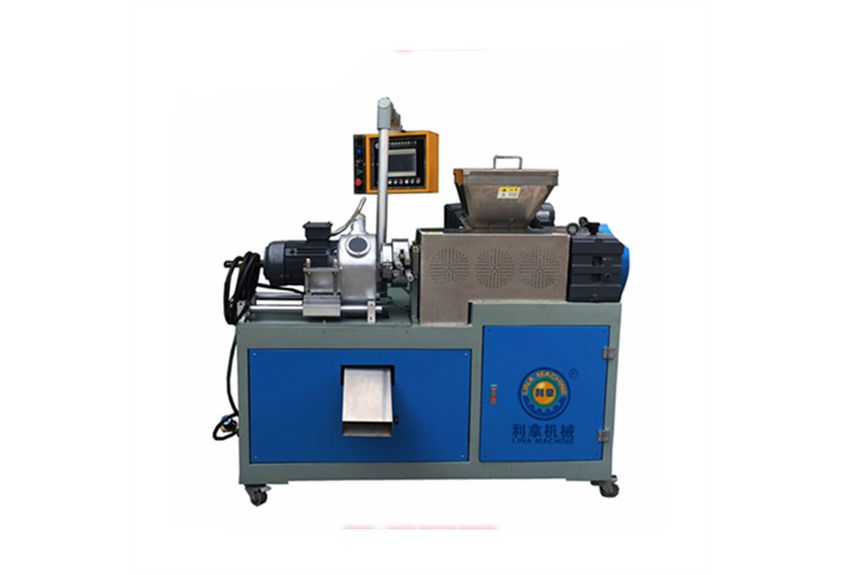
In conclusion, ceramic powder making machines play a vital role in the production of ceramic materials. They enable the conversion of raw materials into finely dispersed powders, which are then processed further to form high-quality ceramic products. As the demand for ceramic materials continues to grow, the development of more efficient and advanced ceramic powder making machines is essential for meeting the needs of the industry.