




The Role of Open Roller Mills in Shoe Material Production
Open roller mills are an essential tool in the production process of shoe materials. These machines are designed to mix and knead various materials, such as rubber, plastic, and fabric, into a uniform and consistent product. The open roller mill is a versatile machine that can be used for a wide range of applications, from small-scale production to large-scale manufacturing.
One of the main benefits of using an open roller mill is its ability to produce high-quality products with minimal waste. By using advanced technology and machinery, these machines can achieve precise control over the mixing and kneading process, resulting in a seamless blend of materials. This not only improves the overall quality of the product but also reduces costs associated with manual labor and material waste.
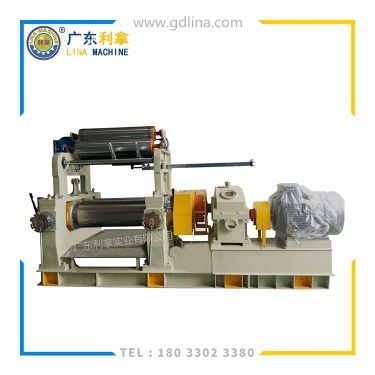
Another advantage of open roller mills is their flexibility in terms of size and capacity. These machines can be customized to meet specific needs, whether it's producing small batches of shoes or large quantities. They are also easy to operate and maintain, making them a popular choice for many shoe manufacturers.
In addition to their practical applications, open roller mills have also become a symbol of innovation and progress in the shoe industry. As technology advances, these machines continue to evolve, incorporating new features and capabilities that enhance their performance and efficiency. For example, some modern open roller mills now incorporate sensors and other electronic devices to monitor temperature, pressure, and other important parameters, ensuring optimal conditions for the mixing process.
Overall, open roller mills play a crucial role in the production of high-quality shoe materials. With their ability to produce high-quality products with minimal waste and their flexibility in terms of size and capacity, these machines are an essential tool for any shoe manufacturer looking to stay ahead of the competition.