




The Art of Composites Production: An Overview of Rubber-Plastic Co-Blending Granulation Lines
The world of polymer engineering is a fascinating one, where the ability to blend and combine different materials into a single entity can create a wide range of applications. One such application is the production of rubber-plastic co-blends, which are used in various industries such as automotive, construction, and electronics. In this article, we will explore the process of rubber-plastic co-blend granulation lines, how they work, and their significance in the industry.
Rubber-plastic co-blends are composite materials that combine the properties of both rubber and plastic. These materials have unique characteristics that make them ideal for specific applications. For example, rubber-plastic co-blends are highly resistant to wear and tear, making them ideal for use in outdoor environments such as sports equipment and construction materials. Additionally, these materials are lightweight and flexible, making them ideal for use in transportation and packaging applications.
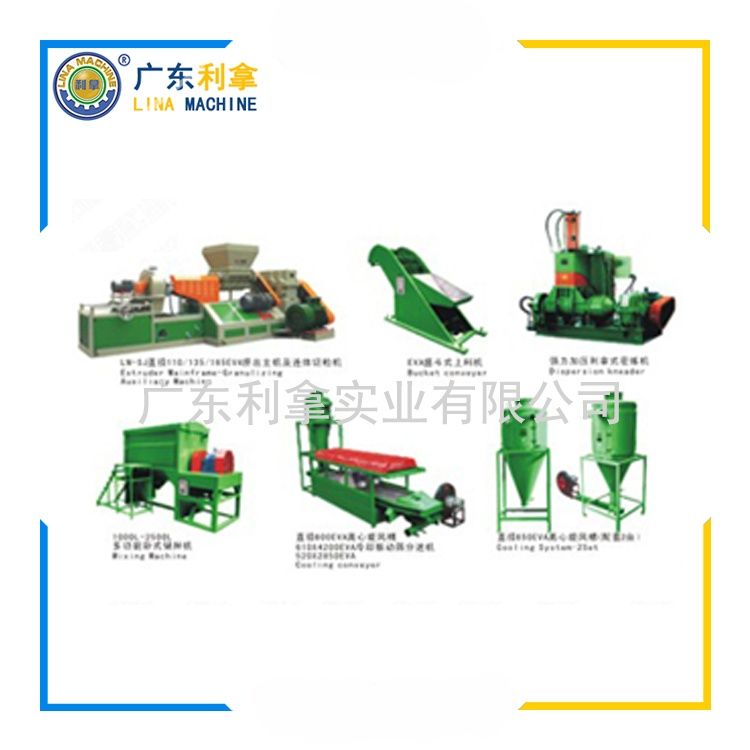
To produce rubber-plastic co-blends, granulation lines play a crucial role. These lines are designed to mix and granulate the raw materials into a uniform mixture that can be molded into desired shapes. The granulation process involves mixing the rubber and plastic components together using specialized equipment, such as extruders and mixers. The resulting mixture is then granulated into small pellets that can be easily molded into final products.
The success of rubber-plastic co-blend granulation lines depends on several factors, including the quality of the raw materials, the efficiency of the mixing process, and the accuracy of the granulation process. To ensure high-quality products, manufacturers must carefully control the temperature, pressure, and other variables during the granulation process. Additionally, regular maintenance and calibration of the equipment are essential to maintain consistent results.
In conclusion, rubber-plastic co-blend granulation lines are an essential part of the polymer engineering industry. By combining the properties of rubber and plastic, these lines create materials that are highly resistant to wear and tear, lightweight, and flexible. As the demand for these materials continues to grow, the importance of efficient and reliable granulation lines cannot be overstated.