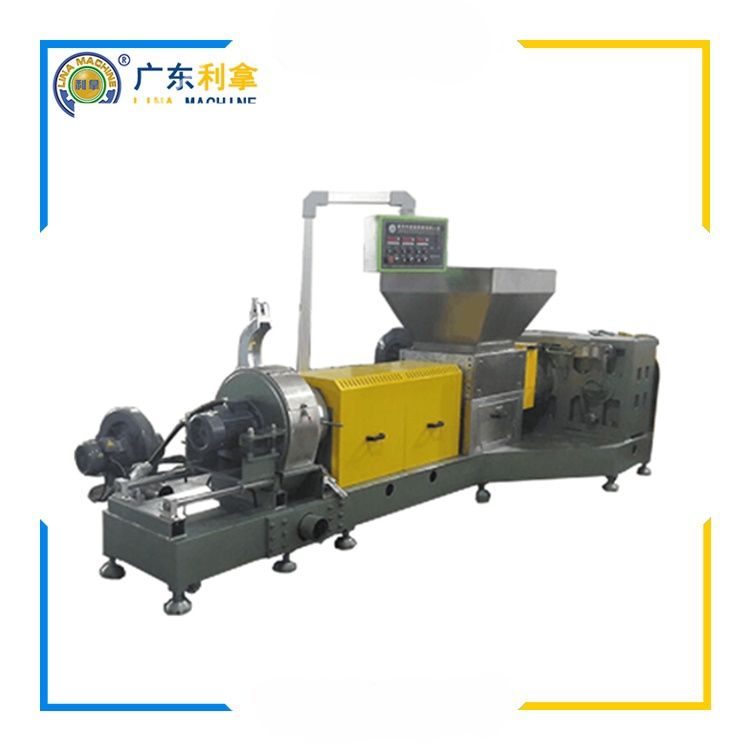

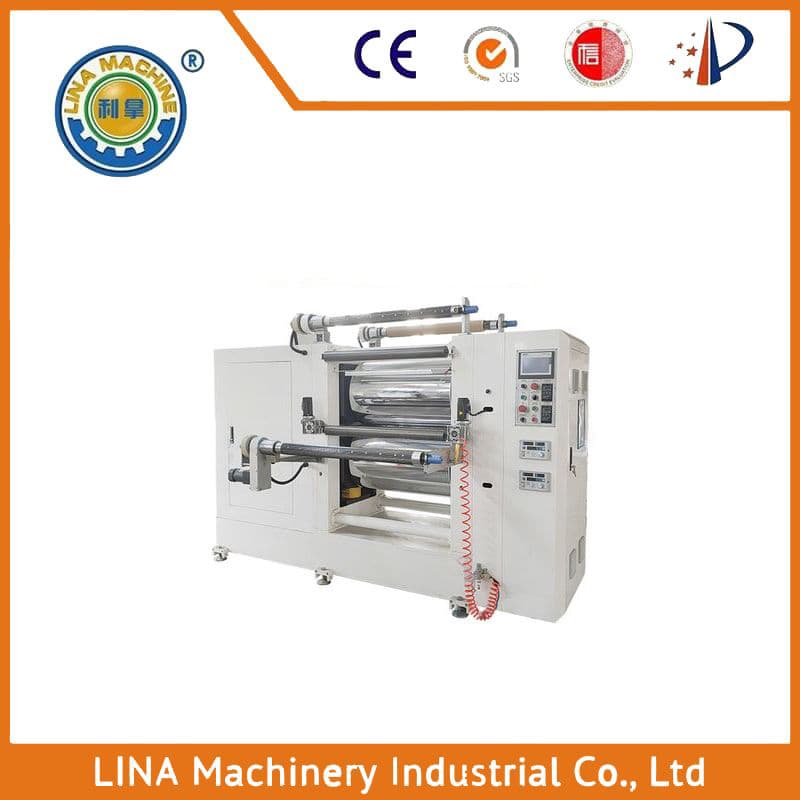
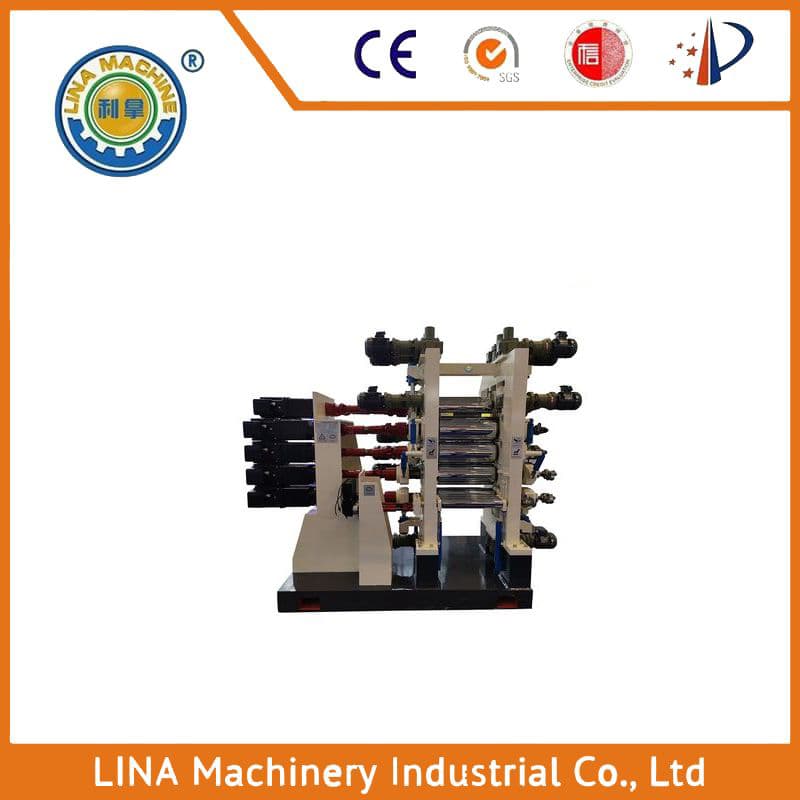
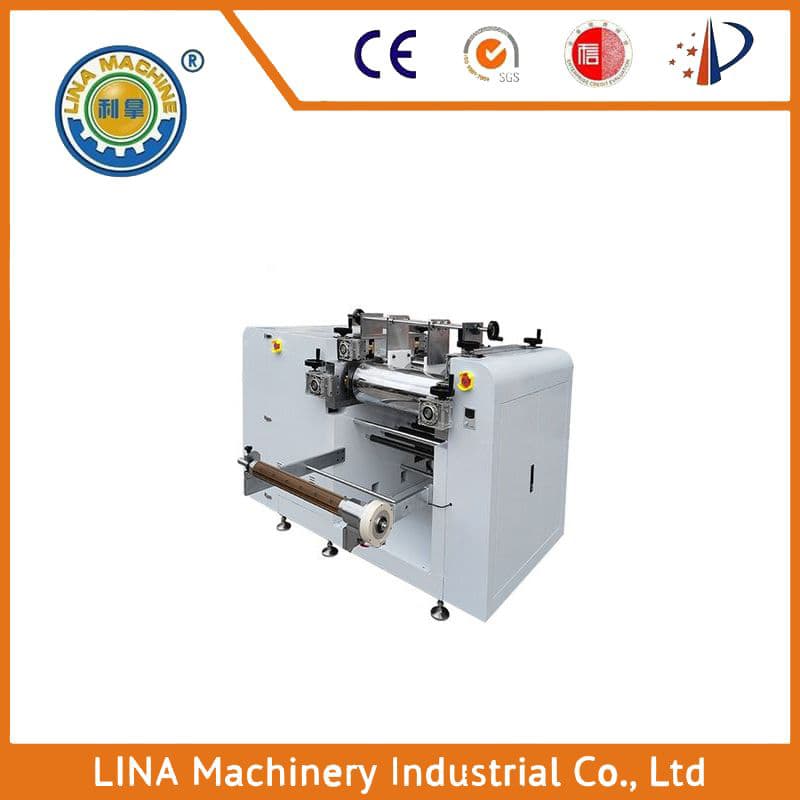
Modified Plastic Pelletizers: Revolutionizing the Manufacturing Process
In the realm of plastic manufacturing, the ability to process and recycle materials has become increasingly important. One innovative solution that has gained significant traction in recent years is the use of modified plastic pelletizers. These advanced machines are designed to enhance the efficiency and quality of the plastic processing industry by allowing for more precise control over the final product's properties.
At the heart of these pelletizers lies a sophisticated technology that utilizes advanced sensors and algorithms to monitor and adjust the temperature, pressure, and other parameters during the melting and cooling processes. This allows for a more consistent and uniform product, which is crucial for applications such as food packaging or medical devices.
One of the key benefits of using modified plastic pelletizers is their ability to reduce waste and increase efficiency. By minimizing the amount of raw material required and maximizing the output per cycle, manufacturers can save money on production costs while still producing high-quality products. Additionally, these machines are often equipped with advanced recycling capabilities, allowing for the recovery of valuable materials from scrap plastic.
Another advantage of these pelletizers is their flexibility in terms of material selection. Many modern models are capable of processing a wide range of plastics, including那些难以处理的特种塑料或回收塑料。这种多样性使得制造商能够根据市场需求和资源可用性灵活调整生产策略。
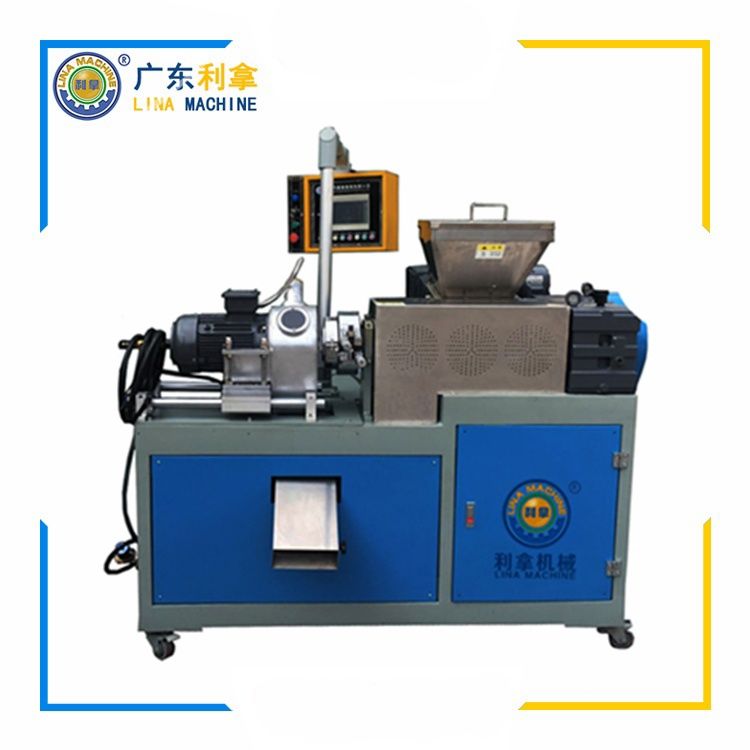
Despite their many advantages, there are also some challenges associated with using modified plastic pelletizers. One of the main concerns is the potential for increased energy consumption due to the need for higher temperatures and pressures. Additionally, the cost of purchasing and maintaining these machines may be prohibitive for some smaller businesses.
In conclusion, the use of modified plastic pelletizers represents a major advancement in the plastic manufacturing industry. By providing more precise control over the processing conditions and increasing efficiency and flexibility, these machines have the potential to revolutionize the way we produce and use plastic products. As technology continues to advance, it is likely that we will see even more innovative solutions emerge to address the challenges faced by the plastic manufacturing industry.