

The Art of Rubber Processing: An Overview of Rubber Processing Machines
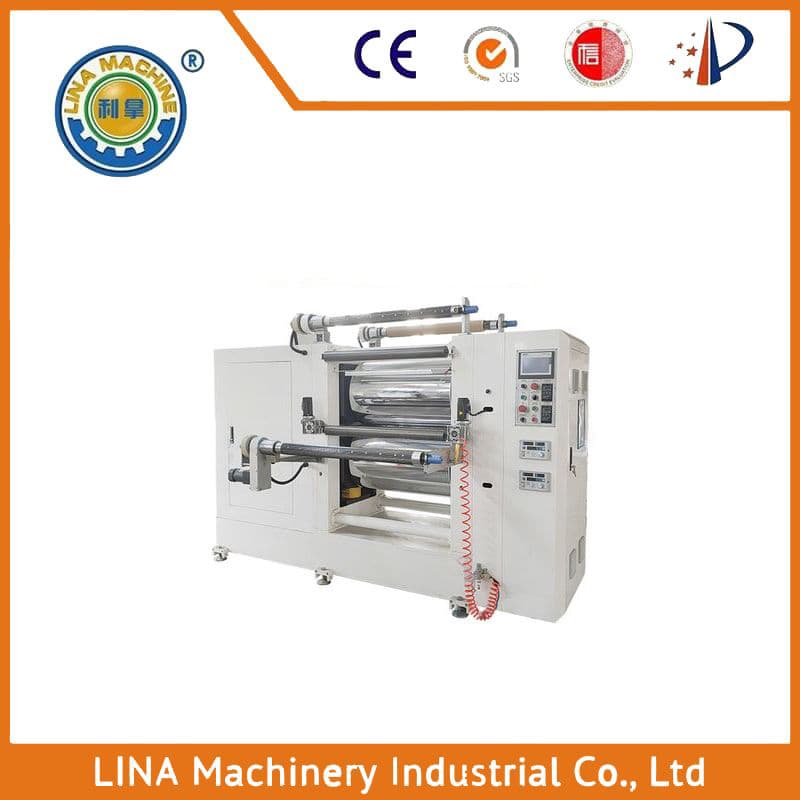
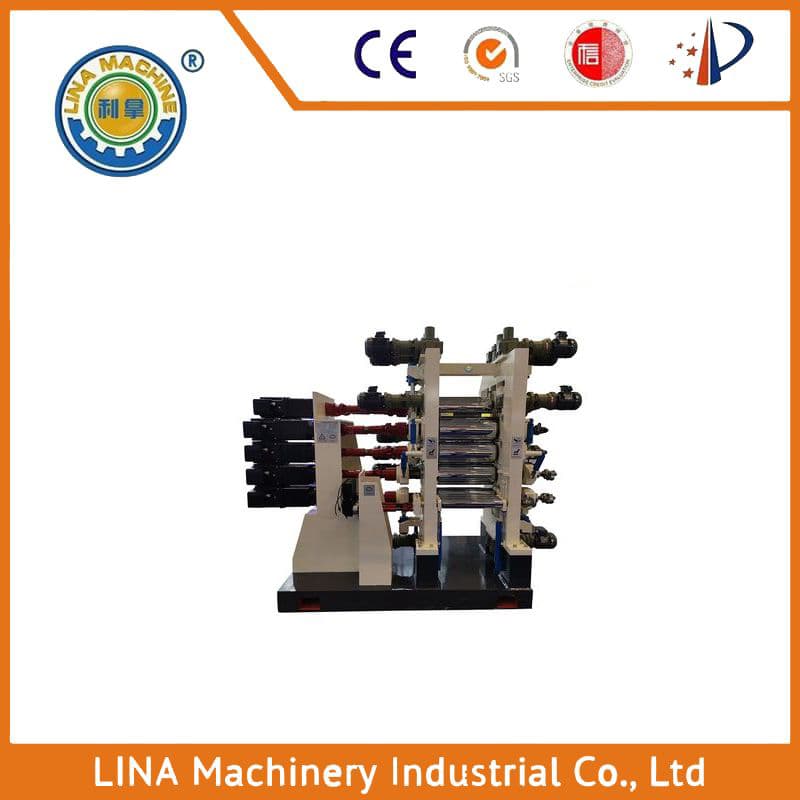
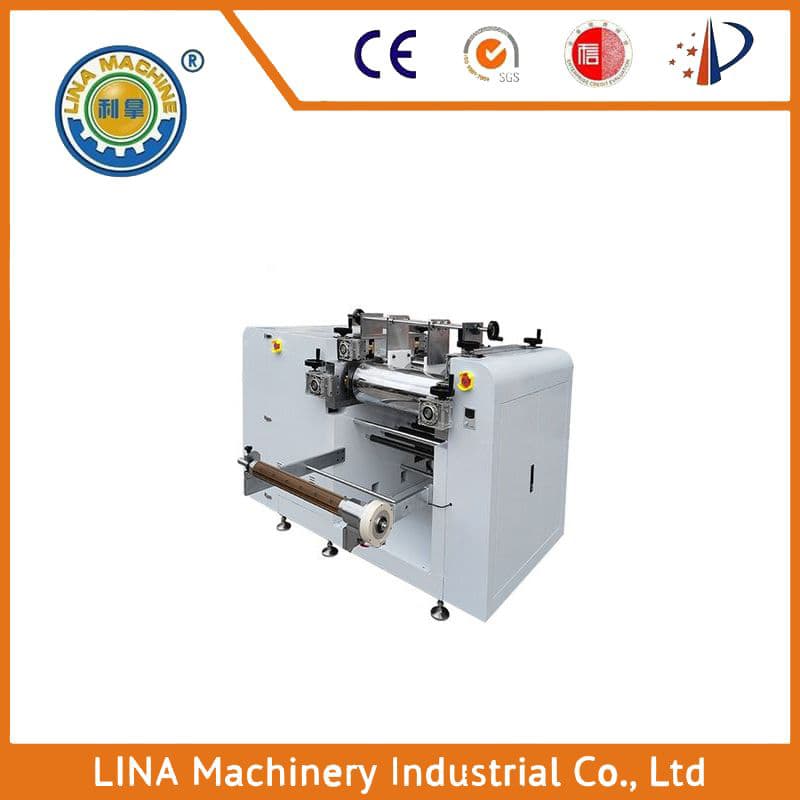
In the realm of rubber manufacturing, the process of rubber processing is a crucial step that involves the use of specialized machinery to transform raw materials into finished products. One such essential piece of equipment is the rubber processing machine, which plays a pivotal role in the entire rubber production process. This article aims to provide an overview of the different types of rubber processing machines and their functions, highlighting their significance in the industry.
Firstly, let us delve into the basics of rubber processing machines. These machines are designed to handle various stages of the rubber production process, from mixing and kneading to shaping and molding. They come in various forms, including extruders, mixers, and compression molding machines, each with its unique features and capabilities.
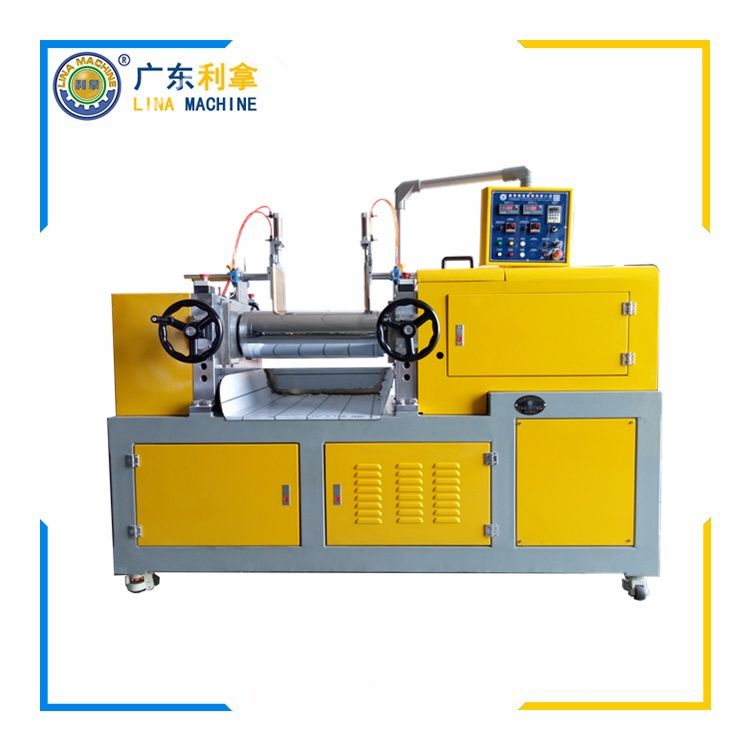
Extruders are one of the most common types of rubber processing machines used in the industry. They are responsible for melting and dispensing the rubber compound, which is then forced through a die to form a continuous thread or strip. This process is crucial in creating uniform and consistent products, as it ensures that the final product has a smooth surface and no voids or defects.
Mixers, on the other hand, are designed to blend and mix the ingredients used in the rubber compound. They come in various sizes and configurations, depending on the specific requirements of the manufacturer. Mixers play a vital role in ensuring that the rubber compound is homogenous and free from impurities, which can affect the quality and performance of the final product.
Compression molding machines are another essential type of rubber processing machine used in the industry. They are responsible for shaping and molding the rubber compound into desired shapes and sizes. This process is crucial in creating precision parts and components for various applications, such as automotive, electronics, and construction.
In addition to these three main types of rubber processing machines, there are also specialized machines used in certain stages of the process. For example, vulcanization machines are used to cure the rubber compound, while cutting machines are used to remove excess material from the final product.
The importance of rubber processing machines cannot be overstated in the industry. They play a critical role in ensuring that the final product meets the required specifications and standards. By utilizing the right machinery, manufacturers can produce high-quality rubber products that meet the needs of customers across various industries.
1. Rubber Processing Machines
2. Extruder
3. Mixer
4. Compression Molding Machine
5. Vulcanization Machine
6. Cutting Machine
7. Quality Control
8. Industry Standards
9. Manufacturing Process
10. Precision Parts
11. Automotive Applications
12. Electronics Industry
13. Construction Industry
14. Homogeneous Rubber Compound
15. Impact on Quality and Performance
16. Customized Machinery
17. Material Handling Systems
18. Energy Efficiency
19. Environmental Sustainability
20. Cost-Effectiveness
21. Manufacturing Capacity
22. Production Lines
23. Industrial Robotics
24. Advanced Technology
25. Manufacturing Innovation
26. Manufacturing Process Optimization
27. Manufacturing Technology
28. Manufacturing Processes
29. Manufacturing Processes Optimization
30. Manufacturing Processes Optimization
This article provides an in-depth overview of the various types of rubber processing machines used in the industry, including extruders, mixers, compression molding machines, and vulcanization machines. It highlights the importance of these machines in ensuring that the final product meets the required specifications and standards, and discusses their significance in the manufacturing process. The article also emphasizes the impact of these machines on the quality and performance of the final product, as well as their impact on the industry's ability to produce high-quality rubber products that meet customer needs across various industries. The article concludes by discussing the importance of customizing machinery to suit specific needs and the benefits of using advanced technology in manufacturing processes.