


"The Advancement of Graphene Thermal Conductive Pad Pressing Machine
In the field of electronics, thermal management is a critical aspect that determines the performance and reliability of electronic devices. One innovative solution to address this issue is the use of graphene thermal conductive pads, which have shown great promise in enhancing the heat dissipation capabilities of electronic components. This article will explore the advancements made in the development of graphene thermal conductive pad pressing machines, highlighting their potential applications and future prospects.
The first step in the production process of graphene thermal conductive pads is the creation of high-quality graphene sheets. These sheets are then processed using advanced techniques such as chemical vapor deposition (CVD) to achieve uniform and densely packed graphene layers. Once the graphene sheets have been prepared, they are stacked together to form a continuous sheet with a thickness of several micrometers.
Next, the graphene sheets are subjected to a series of processing steps to create the final product. These steps include rolling, stretching, and cutting to ensure that the graphene sheets maintain their structural integrity and flexibility. During this process, the graphene sheets are also subjected to a high-pressure molding stage, which helps to align the graphene layers and improve their thermal conductivity.
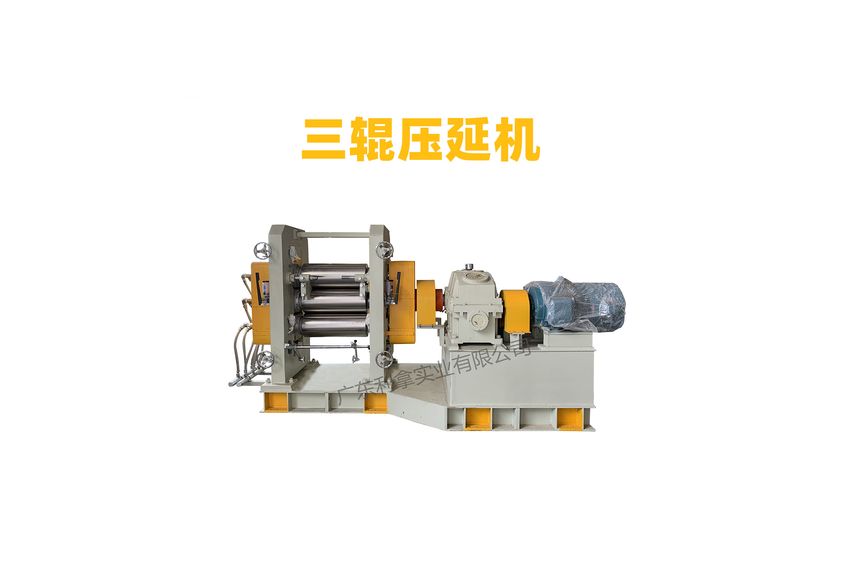
To produce graphene thermal conductive pads, the processed sheets are then pressed into a specific shape using a specialized machine. This machine uses a high-pressure roller to compress the graphene sheets against a heated plate, which generates heat. As the graphene sheets are compressed, they become more closely packed together, resulting in an increase in their thermal conductivity.
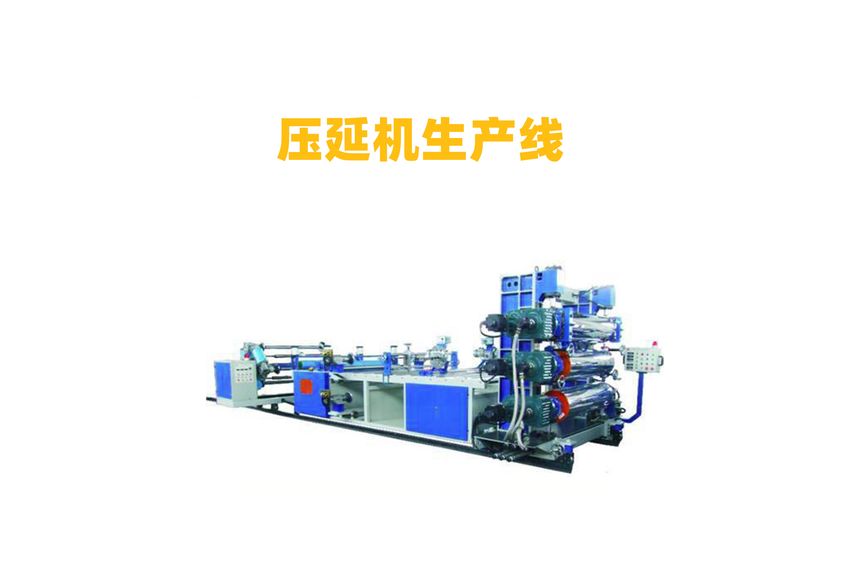
The pressing machine used for graphene thermal conductive pad production is designed to handle large volumes of material while maintaining consistent quality and repeatability. The machine features a high-speed rotating roller system that applies pressure evenly across the entire surface of the graphene sheets, ensuring that all areas receive the same amount of compression.
One of the key advantages of graphene thermal conductive pads is their exceptional thermal conductivity. Compared to traditional materials like copper or aluminum, graphene has a much higher thermal conductivity, which means it can efficiently transfer heat away from electronic components without adding significant weight or size. This makes graphene thermal conductive pads ideal for use in high-performance electronics, such as smartphones, laptops, and gaming consoles.
Another important factor in the success of graphene thermal conductive pads is their ability to conform to complex shapes and sizes. By using a high-pressure pressing machine, manufacturers can easily produce pads with intricate designs and customized dimensions, making them suitable for a wide range of applications.
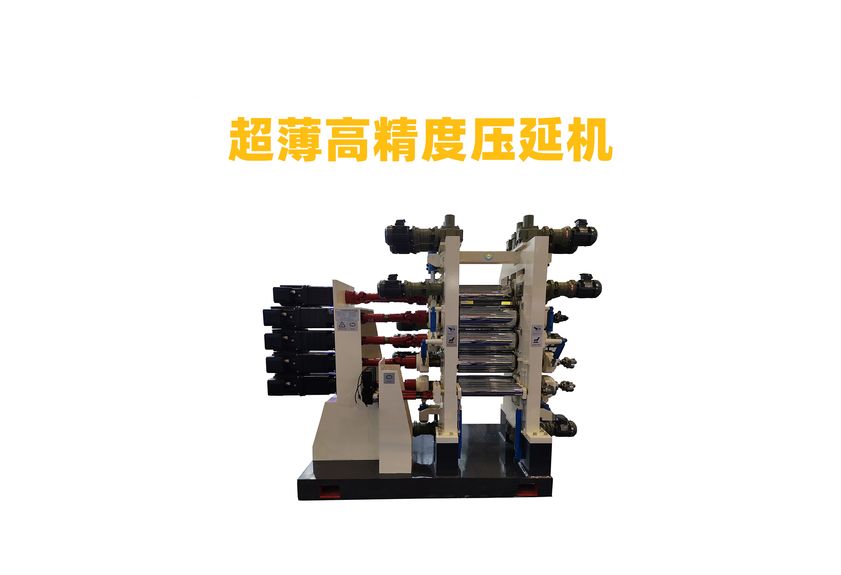
In conclusion, the development of graphene thermal conductive pad pressing machines has revolutionized the way we approach thermal management in electronics. These machines have enabled the production of high-quality graphene sheets that can be easily molded into various shapes and sizes, ultimately leading to improved heat dissipation capabilities for electronic components. As technology continues to advance, we can expect to see even greater improvements in the efficiency and performance of graphene thermal conductive pads, opening up new possibilities for innovation in the field of electronics.