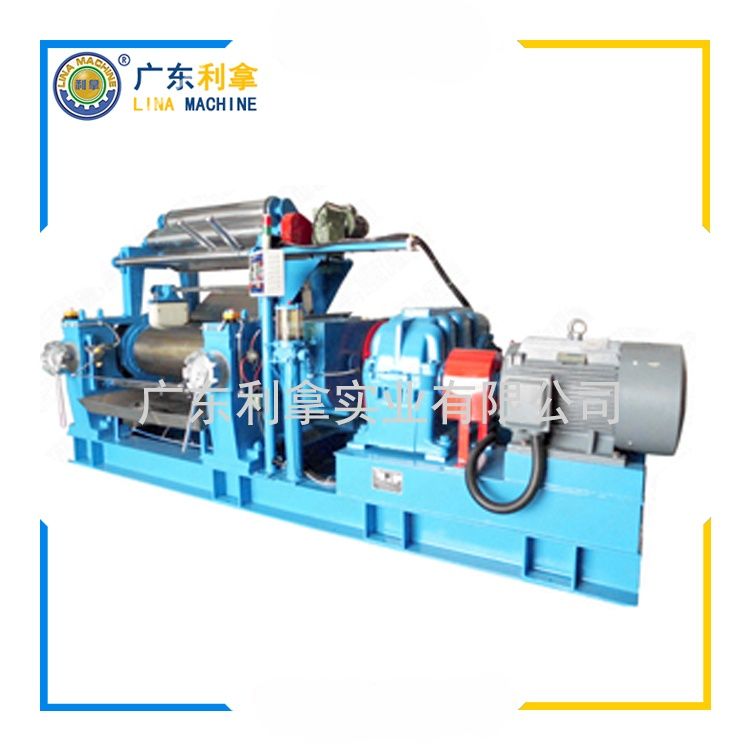



The Art of Rubber Tire Extrusion: An Insight into the Open-Roller Process
The open-roller process is a crucial step in the manufacturing of rubber tires. It involves the use of an open-roller extruder, which is a machine used to mix and knead rubber compounds to create a uniform and consistent material for tire production. In this article, we will explore the basic principles of the open-roller process, its advantages, and how it contributes to the overall quality of rubber tires.
At the heart of the open-roller process lies the ability to control the mixing and kneading of rubber compounds. The rollers on the extruder are heated to a high temperature, which allows them to melt and blend the various components of the rubber compound. This creates a homogeneous mixture that can be easily molded into the desired shape of a tire.

One of the key benefits of the open-roller process is its ability to produce high-quality tires with consistent properties. By controlling the temperature and pressure of the rollers, manufacturers can ensure that each tire produced meets specific standards for strength, durability, and performance. Additionally, the open-roller process can be optimized to produce different types of tires, such as pneumatic or solid tires, depending on the specific requirements of the manufacturer.
Another advantage of the open-roller process is its flexibility. Manufacturers can adjust the speed and temperature of the rollers to optimize the mixing and kneading of the rubber compound. This allows them to produce tires that meet the needs of different applications, from racing cars to heavy-duty trucks.
In conclusion, the open-roller process is a critical component of the manufacturing process for rubber tires. Its ability to control the mixing and kneading of rubber compounds, along with its ability to produce high-quality tires with consistent properties, makes it an essential tool for the industry. As technology continues to advance, we can expect to see even more innovative solutions in the open-roller process, ensuring that rubber tires continue to meet the demands of modern transportation.