




The Role of Rubber and Plastic Compounding in Granulation Production Lines
The rubber and plastic compounding industry is a crucial segment of the polymer processing sector. It involves the blending of two or more polymers to create a new material with unique properties, which are then processed into granular form for various applications. In this article, we will explore the importance of rubber and plastic compounding in granulation production lines and how it contributes to the overall performance of these systems.
Firstly, the rubber and plastic compounding process is essential for creating high-performance materials that meet specific industrial requirements. By combining different polymers, such as polyethylene, polypropylene, and natural rubber, manufacturers can achieve desired mechanical properties, thermal stability, and chemical resistance. This allows them to produce products that are resistant to wear and tear, impact, and corrosion, making them ideal for applications in automotive, construction, and other industries.
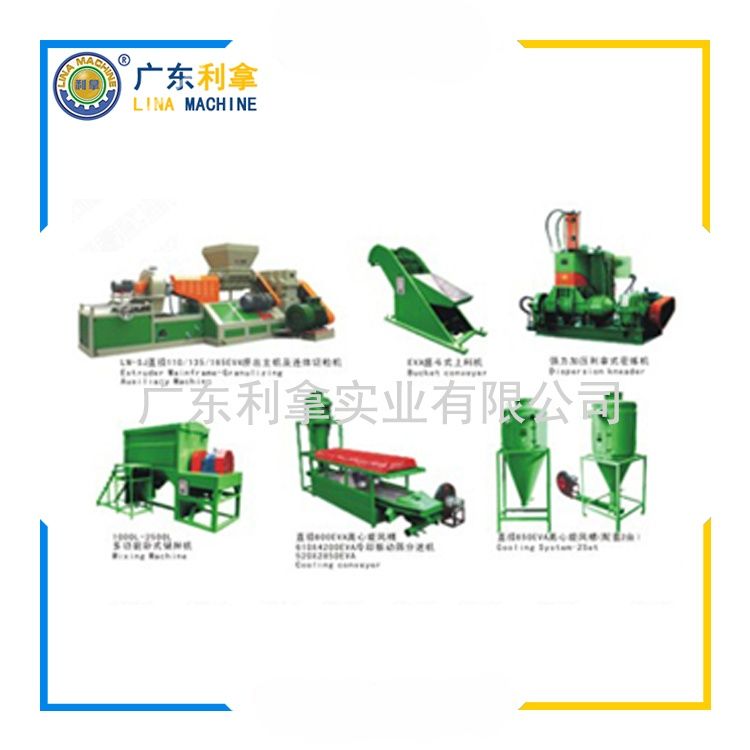
Secondly, the rubber and plastic compounding process plays a vital role in the granulation production line. Granules are small particles that are used to enhance the flowability and handling properties of the final product. In this context, the compounding process ensures that the granulated material has a uniform size and shape, which helps in achieving consistent quality and reducing waste during the manufacturing process. Additionally, the compounding process also helps in controlling the moisture content of the granulated material, which is crucial for maintaining its physical properties and preventing degradation over time.
Thirdly, the rubber and plastic compounding process is an integral part of the recycling process. Many plastics and rubbers are not biodegradable, and their disposal poses significant environmental challenges. By using recycled materials in the compounding process, manufacturers can reduce their carbon footprint and minimize the need for virgin materials. This not only benefits the environment but also reduces costs associated with raw material procurement and transportation.
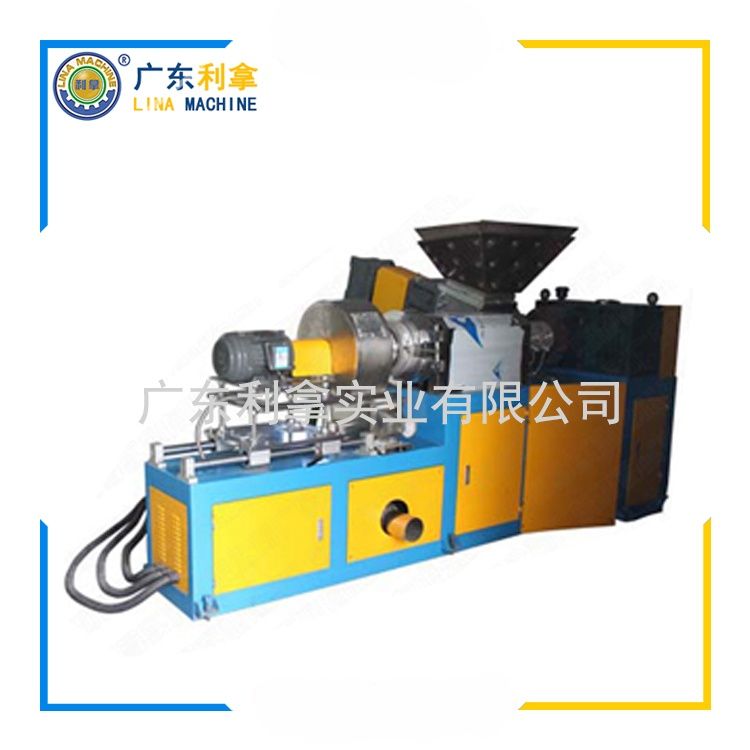
Finally, the rubber and plastic compounding process is a critical component of the modern manufacturing landscape. With the increasing demand for customized and high-performance materials, manufacturers are turning to compounding technology to develop new products that meet specific industry standards. As technology continues to advance, the compounding process will become even more sophisticated, enabling manufacturers to produce even more innovative and efficient products.
1. Rubber and plastic compounding
2. Granulation production line
3. High-performance materials
4. Manufacturing process
5. Environmental sustainability
This article provides an in-depth analysis of the role of rubber and plastic compounding in granulation production lines. We discuss the importance of compounding technology in creating high-performance materials that meet specific industrial requirements. We highlight the impact of compounding on the granulation production line, including its role in controlling the moisture content of the granulated material and ensuring consistent quality. We also explore the benefits of using recycled materials in the compounding process, such as reducing carbon footprint and minimizing the need for virgin materials. Finally, we discuss the future of compounding technology in the manufacturing landscape, highlighting its potential to produce even more innovative and efficient products.