
The Role of Powder Metallurgy Vacuum Mixing Machines in the Manufacturing Industry
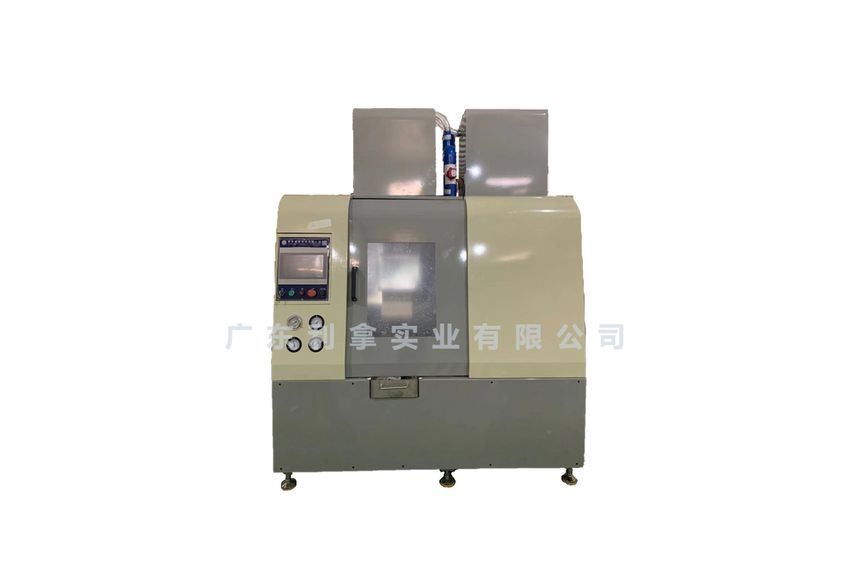
Powder metallurgy (PM) is a process that involves the compaction of powdered metal or alloy into a dense, homogeneous structure. This method has gained significant attention in recent years due to its ability to produce high-quality parts with reduced material waste and improved mechanical properties. One of the key processes in PM is vacuum mixing, which involves the use of a vacuum mixing machine to achieve a uniform distribution of the powder and binder.
Vacuum mixing machines are essential tools for the PM process, as they help to create a closed environment that prevents air from entering the mix. This is crucial because air can cause uneven distribution of the powder and binder, leading to defects in the final product. By maintaining a low level of oxygen and other gases, the vacuum mixing machines ensure that the powder is evenly mixed and compacted, resulting in a stronger bond between the particles.
One of the benefits of using vacuum mixing machines is their ability to handle a wide range of materials, including metals, ceramics, and composites. These machines are designed to be versatile and adaptable to different types of materials, allowing for the production of complex shapes and sizes. Additionally, they can be used to produce parts with high precision and accuracy, which is important for applications such as automotive, aerospace, and medical devices.
Another advantage of vacuum mixing machines is their ability to reduce processing time and improve productivity. Since the process is automated, there is no need for manual handling of the powder or binder, which saves time and reduces errors. Additionally, the consistent quality of the final product ensures that fewer inspections are required, further improving efficiency.
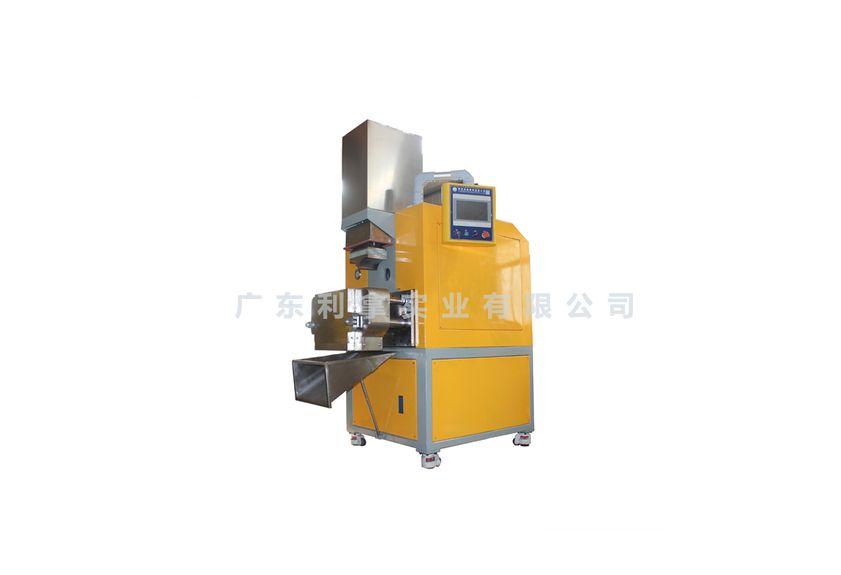
In conclusion, vacuum mixing machines play a critical role in the manufacturing industry by providing a closed environment for the PM process, ensuring even distribution of the powder and binder, and producing parts with high precision and accuracy. As technology continues to advance, it is likely that these machines will become even more important in the future, enabling the production of even more advanced and innovative products.