


The Integration of Oak and Plastic in Composite Granulation Production Lines
The development of the composite granulation production line is a significant advancement in the field of polymer processing. This innovative technology combines the properties of two distinct materials, namely oak and plastic, to create a unique product that offers superior performance and durability. In this article, we will explore the key components of the oak-plastic composite granulation production line, its advantages, and how it can benefit various industries.
At the heart of the production line lies the mixing process, which involves the blending of oak chips with plastic resins. The choice of resin is crucial as it determines the final properties of the composite material. Some common types of plastic resins used in this process include polypropylene (PP), polyethylene (PE), and polyamide (PA). These resins offer excellent strength, flexibility, and resistance to weathering, making them ideal for outdoor applications such as furniture, flooring, and roofing materials.
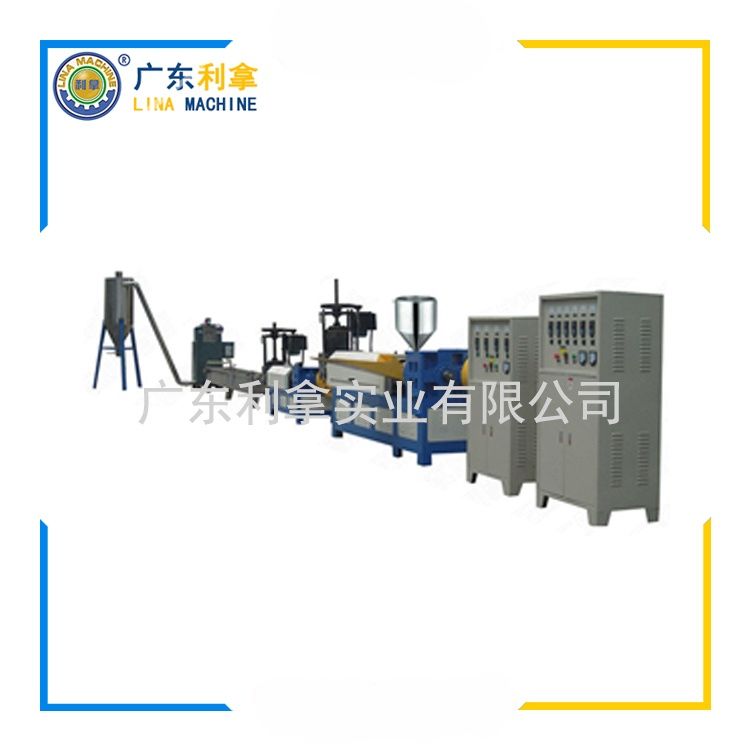
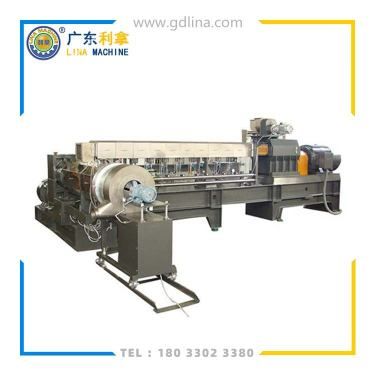
Once the oak chips and plastic resin have been mixed together, they are then processed through a granulator machine. This machine applies heat and pressure to the mixture to melt the resin and compact the oak particles into a uniform mass. The resulting granule is then cooled and dried before being packaged and stored for future use.
One of the key benefits of using an oak-plastic composite granulation production line is its ability to produce high-quality products at a lower cost. By utilizing renewable resources like oak wood, the production line reduces the need for non-renewable materials and minimizes environmental impact. Additionally, the use of plastic resins ensures that the composite material has excellent mechanical properties and longevity, making it a popular choice for industries that require durable and reliable products.
Another advantage of the oak-plastic composite granulation production line is its flexibility in terms of product customization. By adjusting the ratio of oak chips and plastic resin, manufacturers can create different types of composite materials with specific properties. For example, adding more oak chips to the mix can increase the material's strength and stiffness, while adding more plastic resin can improve its flexibility and toughness.
In conclusion, the integration of oak and plastic in composite granulation production lines represents a significant step forward in the field of polymer processing. By leveraging the unique properties of these materials, manufacturers can create high-quality products that meet the needs of various industries while reducing their environmental impact. As this technology continues to evolve, we can expect to see even more innovative solutions that will further enhance our understanding of polymer science and engineering.