


The Role of Pressing and Rolling Mills in the Manufacturing Industry
The manufacturing industry is a complex and dynamic sector that relies heavily on advanced machinery to produce high-quality products. One such machine is the pressing and rolling mill, which plays a crucial role in the production process. This article will explore the functions of this machine, its components, and how it contributes to the overall efficiency of the manufacturing process.
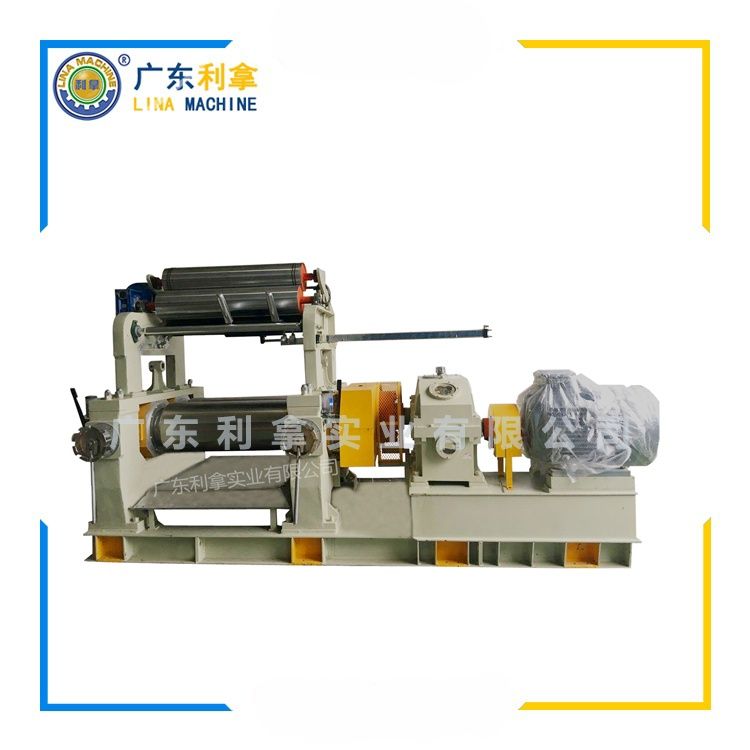
The pressing and rolling mill is a versatile piece of equipment that can be used for a variety of purposes. It is designed to handle materials such as metal sheets, plastics, and composites. The machine consists of two main parts: the pressing section and the rolling section.
The pressing section is responsible for applying pressure to the material being processed. It uses a hydraulic press or a pneumatic press to achieve this. The pressing force is carefully controlled to ensure that the material is evenly deformed without causing damage to the surface. The pressing section also has a mechanism to remove any excess material that may have been pressed into the mold.
The rolling section is responsible for shaping the material being processed. It uses a pair of rollers that are mounted on a shaft and rotate at high speeds. The rollers exert pressure on the material as they move past each other, causing it to flow and take on the desired shape. The rolling section also has a mechanism to adjust the tension between the rollers to control the degree of deformation.
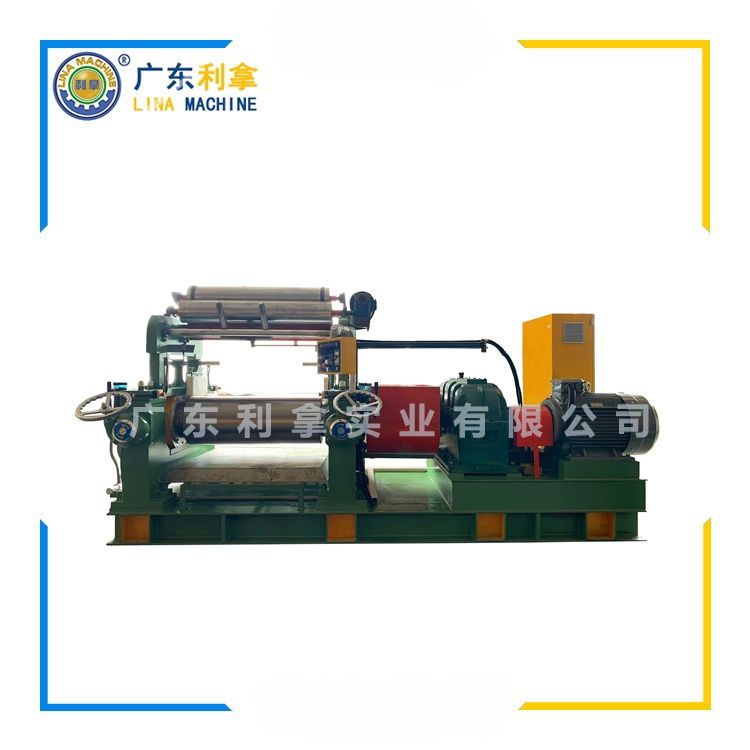
The pressing and rolling mill is an essential tool for the manufacturing industry, as it allows for the precise shaping of materials. Its ability to handle a wide range of materials and produce high-quality products makes it a valuable asset to any manufacturing facility. By understanding the functions of this machine and how it contributes to the overall efficiency of the manufacturing process, manufacturers can optimize their operations and improve their bottom line.