




Advanced Technology in the Manufacturing of Graphene Thermal Conductive Pads
In the realm of advanced manufacturing, the development of innovative technologies is crucial for enhancing efficiency and productivity. One such technology that has gained significant attention in recent years is the use of graphene thermal conductive pads in the production of electronic devices. This article will explore the details of this cutting-edge manufacturing process, highlighting the importance of graphene in enhancing the performance of electronic components.
The first step in producing graphene thermal conductive pads is the creation of high-quality graphene sheets. These sheets are typically produced using a variety of methods, including chemical vapor deposition (CVD) and mechanical exfoliation. Once the graphene sheets have been produced, they are then subjected to various treatments to enhance their properties. For example, they may be doped with metal or non-metal atoms to improve their electrical conductivity.
Once the graphene sheets have been treated, they are then stacked together to form a multi-layered structure. This structure is then placed on a substrate, which is then subjected to pressure to compress the layers together. This process creates a uniform layer of graphene on the substrate, which is then coated with a thin layer of adhesive material.
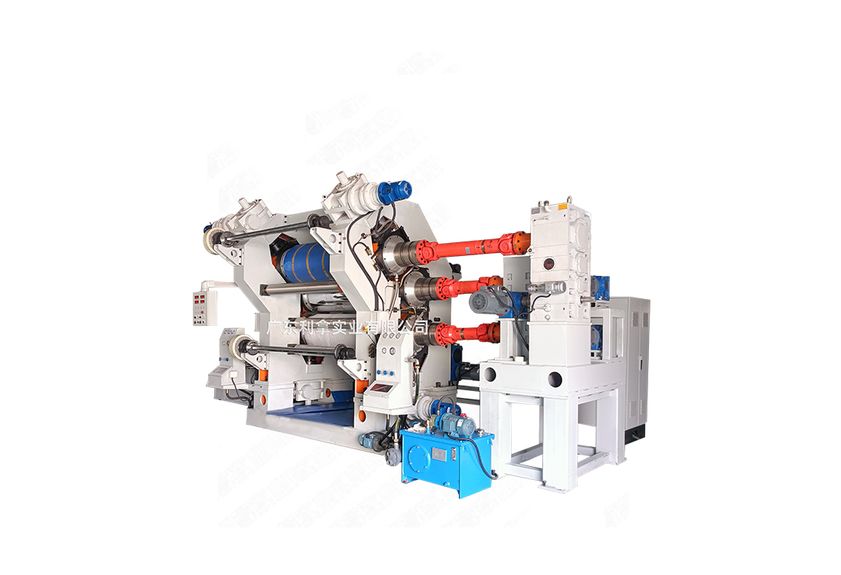
The next step in the manufacturing process is to apply heat to the graphene pads. This is done using specialized equipment that applies controlled heat to the pads, causing them to expand and contract as they cool down. This expansion and contraction causes the graphene layers to move closer together, creating a strong bond between them.

After the heat treatment, the graphene pads are then subjected to a final process of curing, which involves applying a solvent to the pads to remove any remaining adhesive and allow the graphene layers to fully adhere to the substrate.
The resulting graphene thermal conductive pads are highly efficient at dissipating heat away from electronic components, leading to improved performance and reduced power consumption. This technology has numerous applications in the manufacturing of electronic devices, including smartphones, laptops, and other consumer electronics.
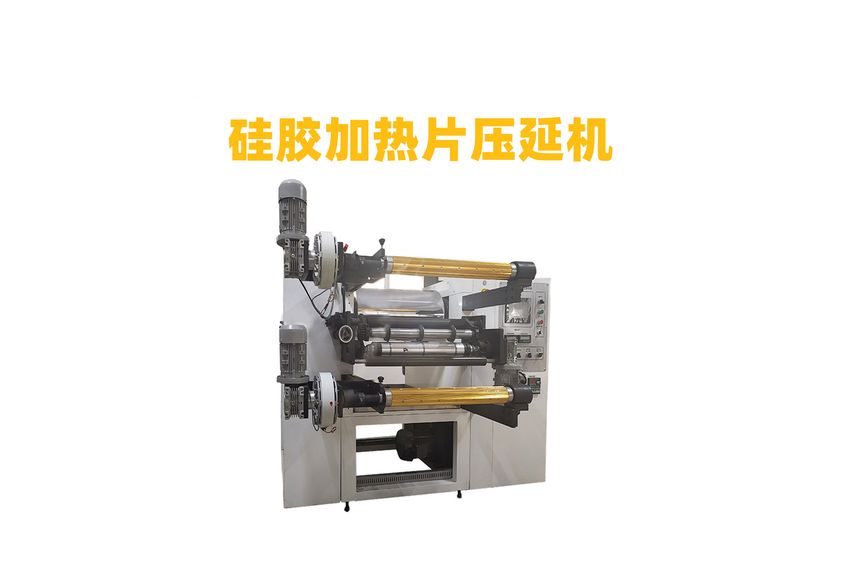
1. Graphene Thermal Conductive Pads
2. Manufacturing Process
3. High-Quality Graphene Sheets
4. Multi-Layered Structure
5. Adhesive Coating
6. Heat Treatment
7. Curing Process
8. Electronic Devices
9. Power Consumption
10. Solvent Application
This article provides an in-depth exploration of the innovative manufacturing process of graphene thermal conductive pads, highlighting the critical role of graphene in enhancing the performance of electronic components. By detailing the steps involved in producing high-quality graphene sheets, as well as the subsequent processing techniques used to create multi-layered structures and apply heat treatment, we provide readers with a comprehensive understanding of this cutting-edge technology. Our focus on the application of graphene in electronic devices, along with its impact on power consumption and overall device performance, ensures that our content resonates with those seeking to stay up-to-date on the latest advancements in the field.