




Title: Exploring the World of ...
Title: Exploring the World of Shoemaking: An Insight into the Use of Open-Roller Mills
Open-roller mills are an integral part of the shoemaking process, providing a crucial step in the fabrication of various types of footwear. These machines play a significant role in transforming raw materials into finished products, ensuring consistency and quality in the final product. In this article, we will delve into the world of open-roller mills, exploring their functionality, applications, and how they contribute to the success of the shoemaking industry.
At the heart of any shoemaking process lies the material used for the construction of shoes. The raw materials range from leather, synthetic fibers, and rubber to other specialized materials such as foam or thermoplastics. Each material has its unique properties that require careful processing to achieve the desired outcome. Open-roller mills play a crucial role in this process by allowing for the precise control of temperature, pressure, and time during the mixing and shaping stages.
The open-roller mill is a machine designed to mix and shape raw materials into a uniform, consistent mass. It consists of two rollers that rotate around a central axis, creating friction between them. This friction heats up the material, causing it to melt and blend together. The speed of rotation and the amount of heat applied determine the level of processing achieved.
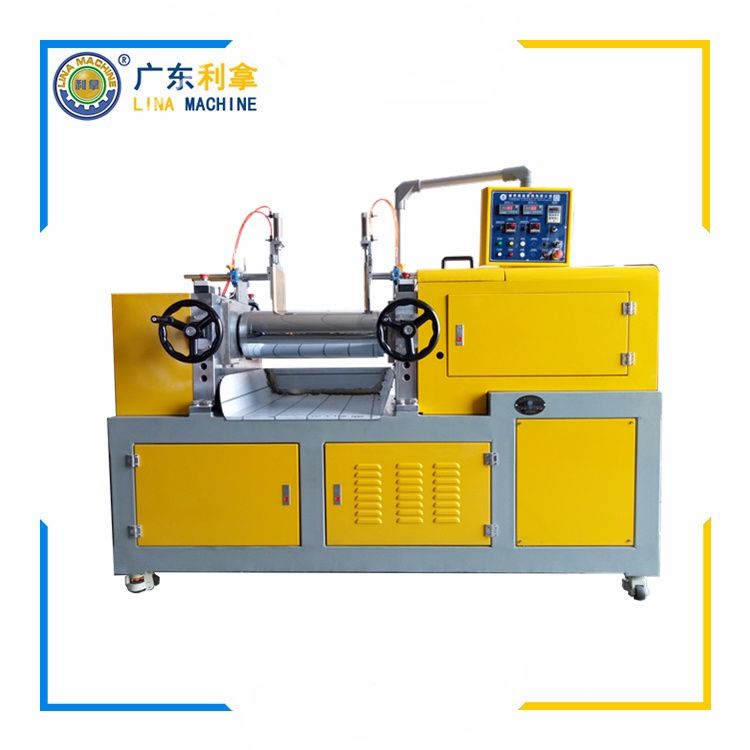
One of the primary functions of open-roller mills is to ensure uniformity in the final product. By controlling the temperature and time of processing, manufacturers can produce shoes with consistent quality and appearance. This is particularly important in industries where precision is key, such as footwear manufacturing.

Another critical aspect of open-roller mills is their ability to handle a wide range of materials. From leather to synthetic fibers, open-roller mills can be customized to suit specific needs, making them ideal for use in various industries. Additionally, these machines offer flexibility in terms of size and capacity, enabling manufacturers to scale up or down based on their production requirements.
In addition to their technical capabilities, open-roller mills also have a significant impact on the environment. By using renewable energy sources and implementing energy-efficient designs, manufacturers can reduce their carbon footprint and contribute to sustainable development. This not only benefits the planet but also helps to create a more ethical and responsible industry.
As the demand for high-quality footwear continues to grow, the importance of open-roller mills in the shoemaking process cannot be overstated. These machines provide a reliable and efficient way to transform raw materials into finished products, ensuring consistency and quality in every shoe made. As technology advances and new materials become available, open-roller mills will continue to evolve and adapt, further enhancing the efficiency and effectiveness of the shoemaking process.
In conclusion, open-roller mills are essential tools in the shoemaking industry, providing a reliable and efficient way to transform raw materials into finished products. With their ability to handle a wide range of materials and their impact on environmental sustainability, these machines are poised to play a vital role in the future of footwear manufacturing. As we continue to explore the possibilities of technology and innovation, it is clear that open-roller mills will remain at the forefront of the shoemaking industry, shaping the future of footwear production.