
The Evolution of Foamed Silica Gel Pressing Production Lines
In the realm of industrial manufacturing, innovation is not merely a buzzword; it's a driving force that propels industries forward. One such area where this spirit has been particularly evident is in the realm of foamed silica gel production lines. These lines are designed to produce high-quality, eco-friendly materials that have found applications in various sectors, from electronics to construction.
At the heart of these production lines lies the process of foaming silicone. This involves mixing silicone with gases like carbon dioxide or nitrogen, which create tiny bubbles within the silicone. Once the mixture is cured, the bubbles become trapped within the silicone, giving it its unique properties.
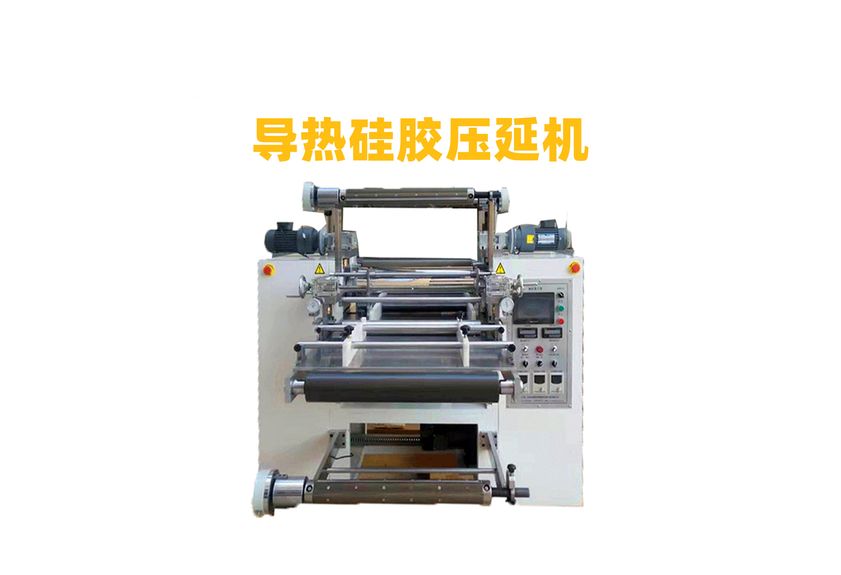
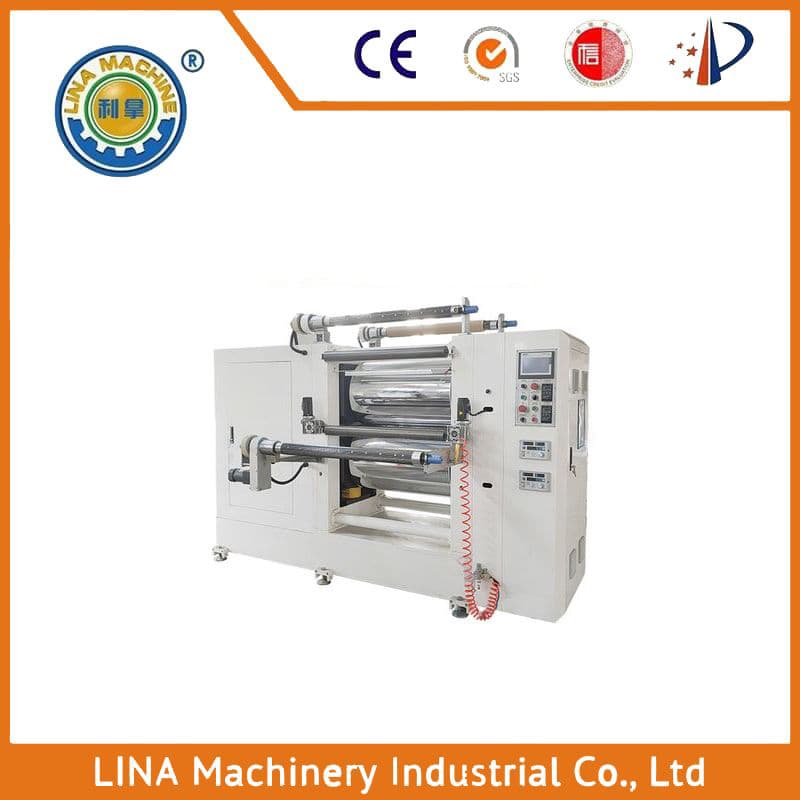
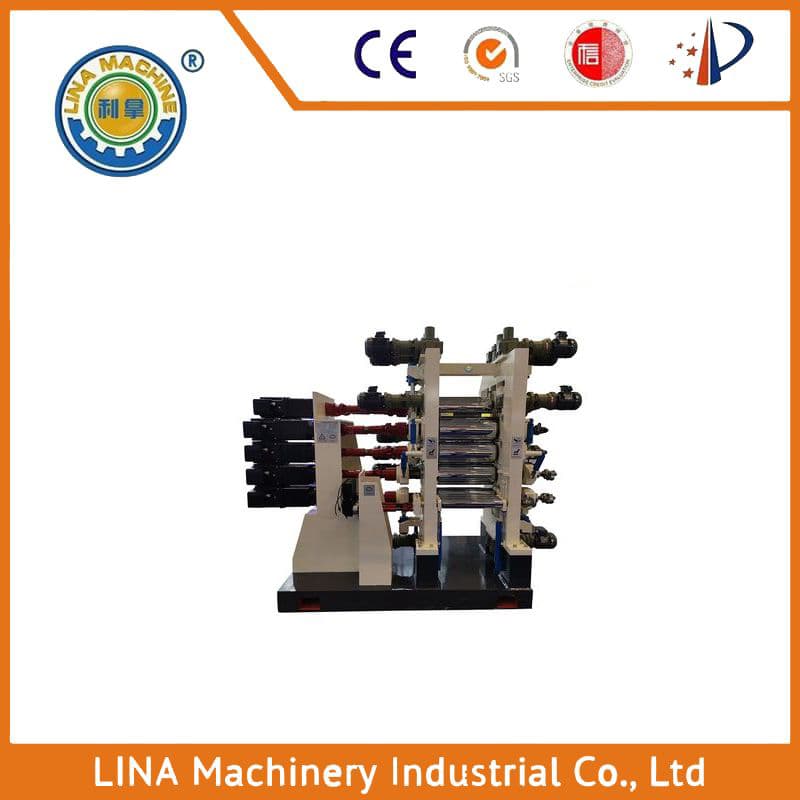
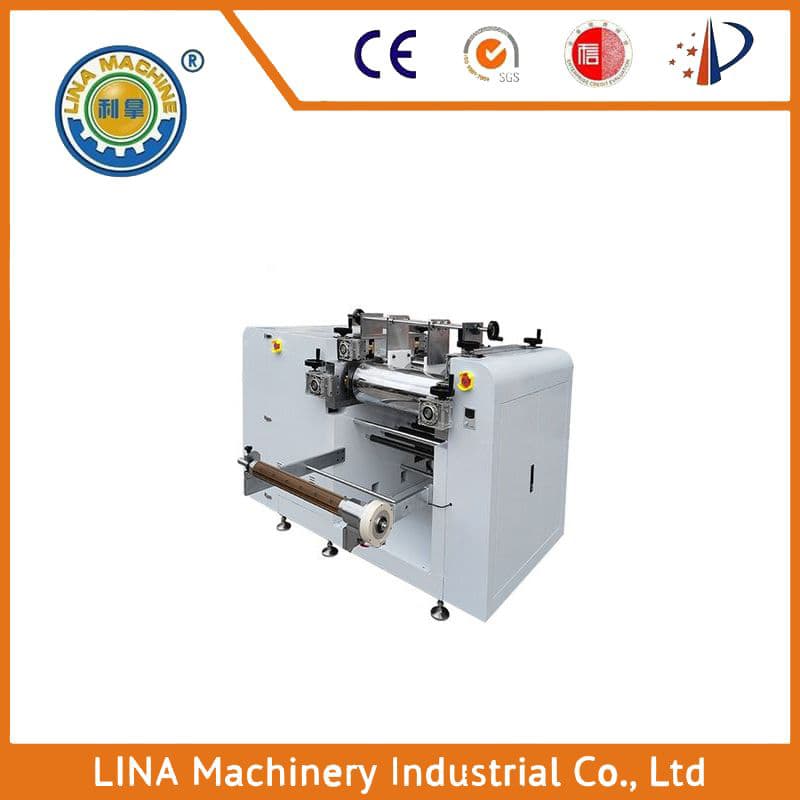
The advancement of technology has led to the development of more efficient and automated foamed silica gel production lines. These lines use advanced machinery to ensure consistent quality and minimize waste. They also incorporate automation systems that can monitor and control the entire process, from mixing to curing, ensuring that each product meets strict quality standards.
One of the key benefits of these production lines is their ability to produce foamed silica gel at scale. With large batch sizes, manufacturers can reduce costs and increase efficiency. Additionally, these lines offer flexibility in terms of material selection, allowing for customization of the final product based on specific needs.

Another significant advantage of these production lines is their environmental friendliness. By using sustainable materials and processes, these lines help reduce the carbon footprint associated with traditional silicone production methods. This not only benefits the environment but also contributes to long-term economic growth by reducing costs associated with waste disposal and energy consumption.
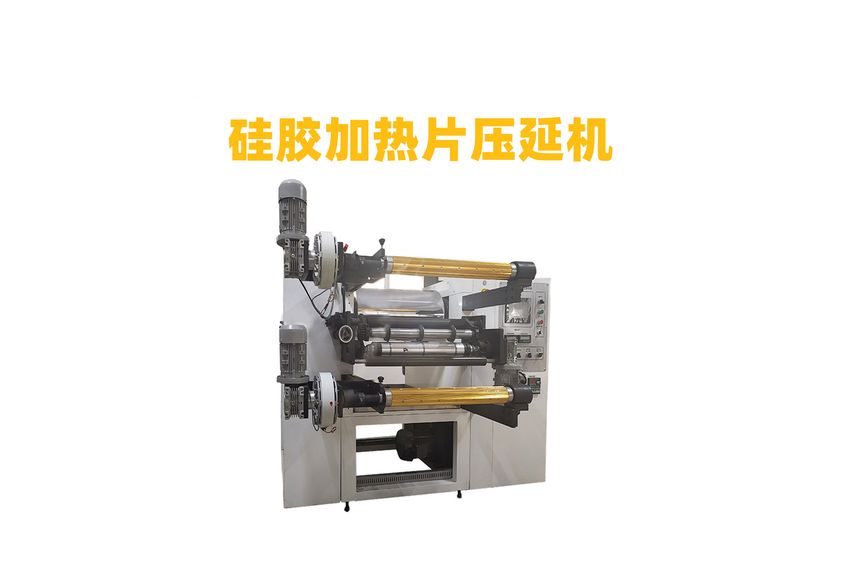
In conclusion, the evolution of foamed silica gel production lines has been driven by innovation and technological advancements. These lines offer high-quality, eco-friendly products that meet the demands of modern industry while minimizing waste and promoting sustainability. As the demand for these materials continues to grow, it's clear that these production lines will continue to play an important role in shaping the future of industrial manufacturing.