
Understanding the Forced Feed Extruder: A Comprehensive Guide
In the realm of industrial machinery, the forced feed extruder stands out as a crucial component in many manufacturing processes. This machine is designed to process materials such as plastics, rubber, and even metals, all while ensuring uniform distribution of the material throughout the extrusion process. The force applied by the extruder ensures that the material is pushed through the die at a consistent speed, which is essential for achieving consistent product quality. In this article, we will delve into the working principles of the forced feed extruder, its components, and how it contributes to various industries.
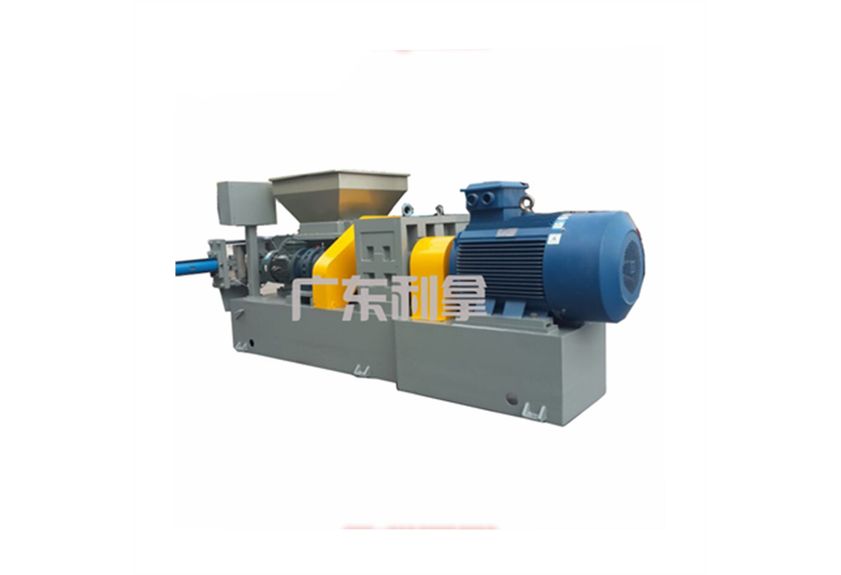
Firstly, let's understand what a forced feed extruder is. It is a type of screw extruder that uses a motor to rotate a screw, which forces the material through the die. The force applied by the screw is controlled by a control system, which adjusts the rotational speed of the screw based on the desired output. This constant pressure ensures that the material is evenly distributed throughout the entire length of the extruded product.
The key components of a forced feed extruder include the screw, dies, barrel, and control system. The screw is responsible for pushing the material through the die, while the dies define the shape of the final product. The barrel houses the screw and dies, while the control system regulates the rotational speed of the screw.
One of the benefits of using a forced feed extruder is its ability to produce high-quality products with consistent dimensions. By controlling the force applied by the screw, the extruder ensures that the material is evenly distributed throughout the entire length of the product. This results in a product with consistent thickness, density, and other physical properties.
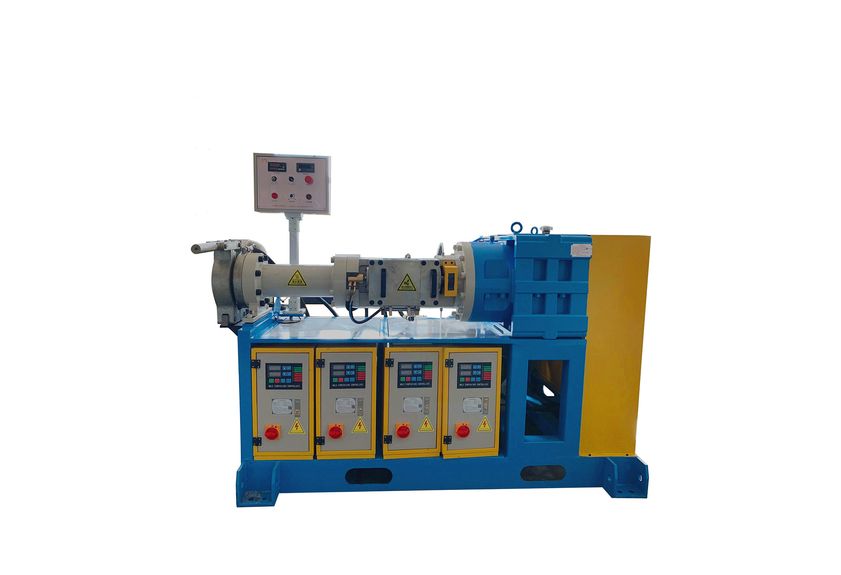
Furthermore, forced feed extruders are widely used in various industries. They are commonly found in the automotive, packaging, and food processing industries. For example, in the automotive industry, they are used to produce parts like engine valves, spark plugs, and fuel injection systems. In the packaging industry, they are used to manufacture bags, bottles, and other containers. In the food processing industry, they are used to produce edible films, coatings, and other food packaging materials.
In conclusion, the forced feed extruder is a versatile machine that plays a significant role in various industries. Its ability to produce high-quality products with consistent dimensions makes it an essential tool for businesses looking to improve efficiency and reduce waste. As technology continues to advance, we can expect to see more innovative designs and applications of forced feed extruders in the future.