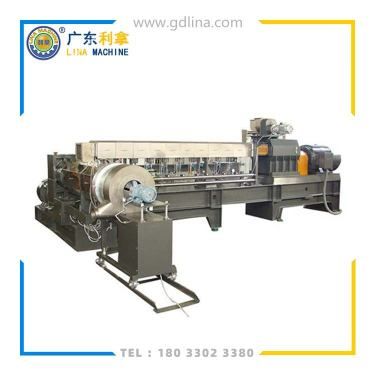



Understanding the Dual-Stage Pelletizing Machine Line Production Process
The dual-stage pelletizing machine line is a crucial component in the pharmaceutical, food, and chemical industries. This article will provide an overview of the process involved in producing pellets using this machine line, including the equipment used, the steps taken during production, and the benefits of this technology.
Firstly, the dual-stage pelletizing machine line consists of two main stages: the primary stage and the secondary stage. The primary stage uses a high-pressure extruder to produce a homogeneous mixture of raw materials. This mixture is then fed into the secondary stage, where it undergoes further processing to form pellets.
During the primary stage, the raw materials are mixed with water and other additives to create a paste-like consistency. The paste is then extruded through a die at high pressure, resulting in a uniform and compacted mass. The size and shape of the pellets produced depend on the specific recipe and operating conditions of the machine line.
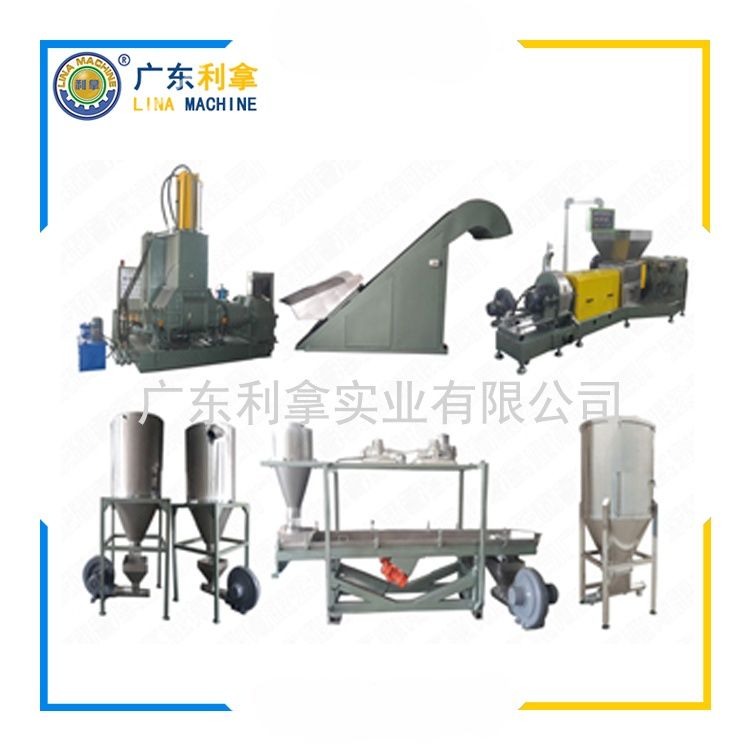
Once the primary stage has finished its work, the pellets are transferred to the secondary stage, where they undergo further processing to remove any remaining moisture and improve their physical properties. This stage may involve additional steps such as drying, granulation, or compression, depending on the desired characteristics of the pellets.
The benefits of using a dual-stage pelletizing machine line include improved quality, consistency, and efficiency. By controlling the temperature, pressure, and flow rate of the raw materials during the primary stage, manufacturers can produce pellets with a consistent size and shape. Additionally, the secondary stage allows for fine adjustments to the final product, ensuring that it meets specific quality standards.
In conclusion, the dual-stage pelletizing machine line is a valuable tool for producing high-quality pellets in various industries. By understanding the process involved in this technology, manufacturers can optimize their production processes and achieve greater success in their business operations.