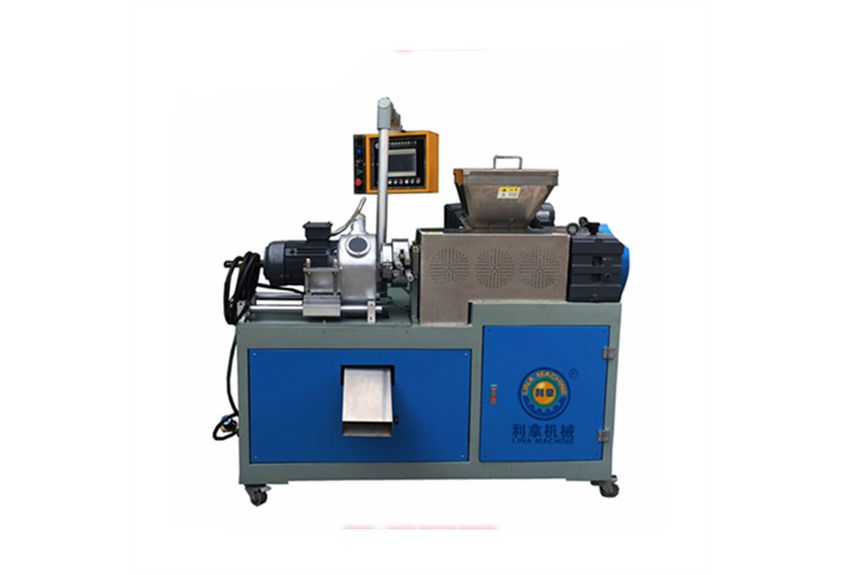



The Oxygen-Zirconia Compounding and Granulating Integrated Machine
The development of the oxygen-zirconium compounding and granulating integrated machine has revolutionized the industry by providing a more efficient and cost-effective way to produce high-quality ceramics. This innovative technology combines the strengths of two separate processes into one, allowing for faster production times and greater control over the final product quality.
At its core, the oxygen-zirconium compounding process involves mixing zirconium oxide with other materials such as silicon dioxide or aluminum oxide to create a homogeneous mixture. This mixture is then granulated into small pellets that can be used in various applications, including electronic devices, dental fillings, and structural components.
The oxygen-zirconium compounding and granulating integrated machine takes this process a step further by integrating both the compounding and granulation steps into a single unit. This allows for greater flexibility in terms of material selection and processing parameters, while also reducing the need for additional equipment and labor.
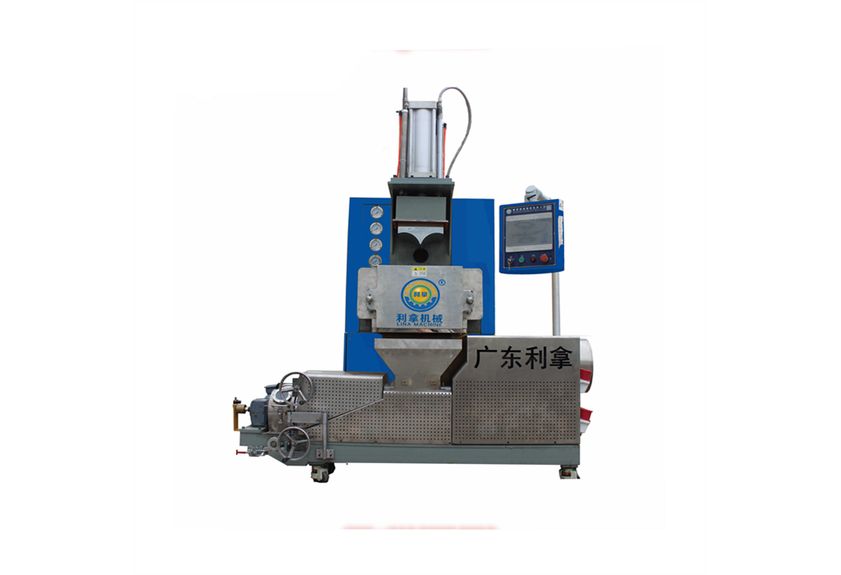
One of the key benefits of this technology is its ability to produce high-quality ceramics at lower costs. By eliminating the need for separate processing steps, manufacturers can reduce waste and improve efficiency, ultimately leading to lower overall production costs.
Another advantage of the oxygen-zirconium compounding and granulating integrated machine is its ability to produce customizable products. Manufacturers can adjust the composition of the mixture and the size of the pellets to meet specific requirements, making it possible to produce customized products for a wide range of applications.
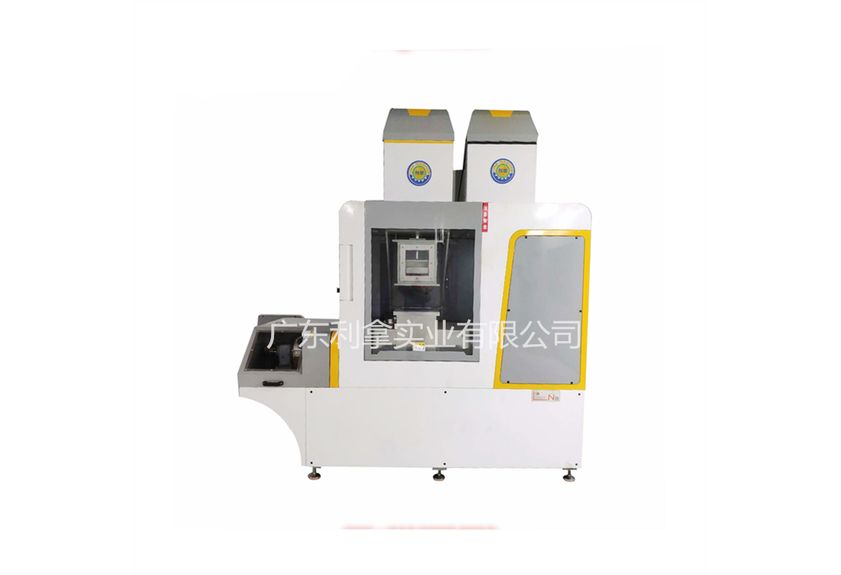
In conclusion, the oxygen-zirconium compounding and granulating integrated machine represents a significant advancement in the field of ceramic manufacturing. Its ability to combine two separate processes into one, while also producing high-quality and customizable products, has made it an essential tool for many industries. As the demand for advanced ceramic materials continues to grow, this technology will undoubtedly play an increasingly important role in shaping the future of ceramic manufacturing.