




The Art of Mixing: An Exploration of the Mixing Machine
The mixing machine is an essential tool in the manufacturing industry, used to combine and blend various materials into a uniform mixture. It plays a crucial role in industries such as food processing, pharmaceuticals, and cosmetics, among others. In this article, we will explore the different types of mixing machines, their applications, and how they work.
There are several types of mixing machines available in the market, each with its unique features and capabilities. Some of the most common types include:
1. Homogenizers: These machines use high-pressure water jets or air to break down the cell walls of solid particles, resulting in a homogeneous mixture. Homogenizers are commonly used in food and beverage industries for producing smooth textures and flavors.
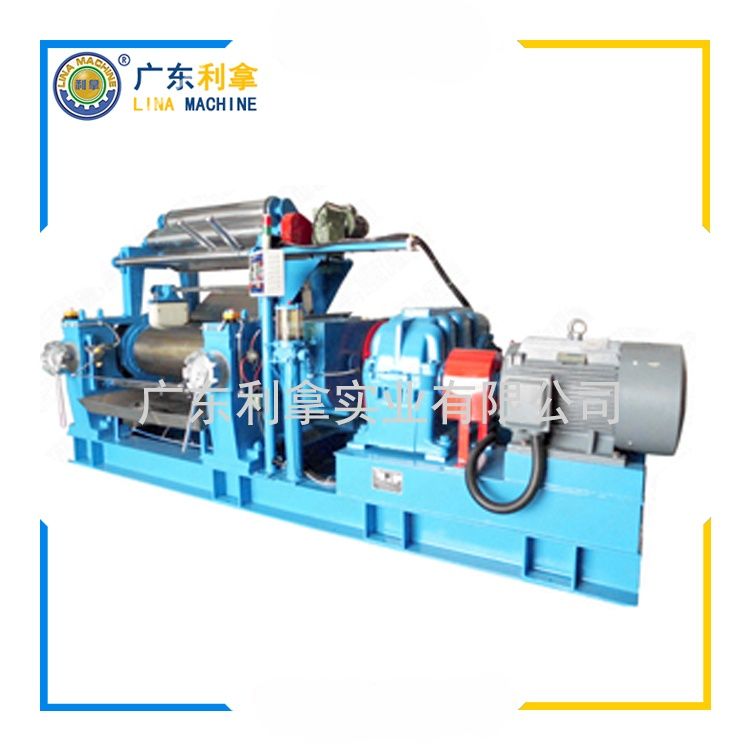
2. Kneaders: These machines use rotating blades to mix ingredients together, creating a uniform dough. They are commonly used in baking and pastry making industries to produce doughs and batters.
3. Stirrers: These machines use rotating impellers to mix ingredients together, creating a uniform mixture. They are commonly used in chemical and pharmaceutical industries to mix reagents and solvents.
4. Mills: These machines use grinding wheels to crush and grind materials, resulting in a fine powder. They are commonly used in the pharmaceutical and food industries to produce powdered drugs and spices.
Applications of mixing machines vary depending on the type of material being mixed. For example, homogenizers are commonly used in the food industry to produce smooth textures and flavors, while kneaders are used in baking and pastry making industries to create doughs and batters. Stirrers are used in chemical and pharmaceutical industries to mix reagents and solvents, while mills are used in the pharmaceutical and food industries to produce powdered drugs and spices.
The working principle of mixing machines involves breaking down the cell walls of solid particles using high-pressure water jets or air, resulting in a homogeneous mixture. This process is achieved by rapidly moving the material through a series of chambers or channels, where it is subjected to high pressure and temperature. The result is a uniform mixture that can be used for various purposes, such as food preparation, drug production, or cosmetic formulation.
In conclusion, mixing machines play a crucial role in various industries, from food and beverage to pharmaceuticals and cosmetics. By understanding the different types of mixing machines and their applications, we can better understand how they work and how they contribute to our daily lives.