


The Art of Clay Particle Formation: An Insight into the World of Ceramic Powder Grinding Machines
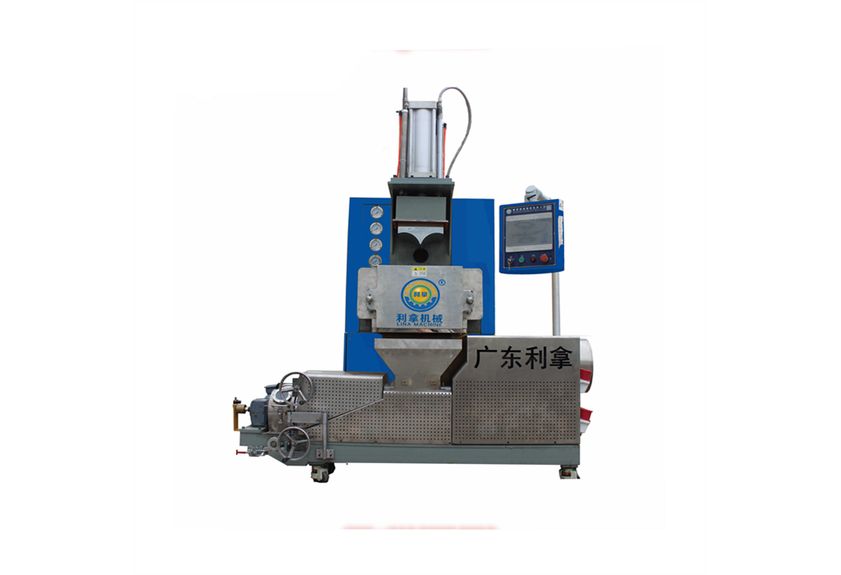
Clay powder is a crucial component in the production of ceramics, and its quality directly affects the final product's strength, durability, and aesthetic appeal. To achieve the desired consistency and uniformity in the clay powder, the use of a specialized machine called a ceramic powder grinding machine is essential. This article will delve into the intricate world of these machines, exploring their design, functionality, and how they contribute to the high-quality ceramic products we enjoy today.
The ceramic powder grinding machine is a sophisticated piece of equipment that uses various techniques to break down the raw clay material into finer particles. These techniques include ball milling, roller milling, and hammer milling, among others. Each method has its unique advantages and disadvantages, but all serve to achieve the same goal: producing a consistent and uniformly distributed clay powder.
One of the most significant benefits of using a ceramic powder grinding machine is its ability to control the particle size distribution. By adjusting the speed and pressure of the grinding process, manufacturers can produce a wide range of particle sizes, from ultrafine to coarse, depending on the desired properties of the final product. This flexibility ensures that every ceramic product can be tailored to meet specific requirements, from kitchenware to architectural elements.
Another critical aspect of ceramic powder grinding machines is their ability to handle a wide range of raw materials. Whether it's clay, kaolin, or other minerals, these machines have been designed to efficiently grind them into a uniform powder without compromising the quality of the final product. This adaptability makes them ideal for use in industries such as pottery, glassmaking, and even electronics manufacturing.
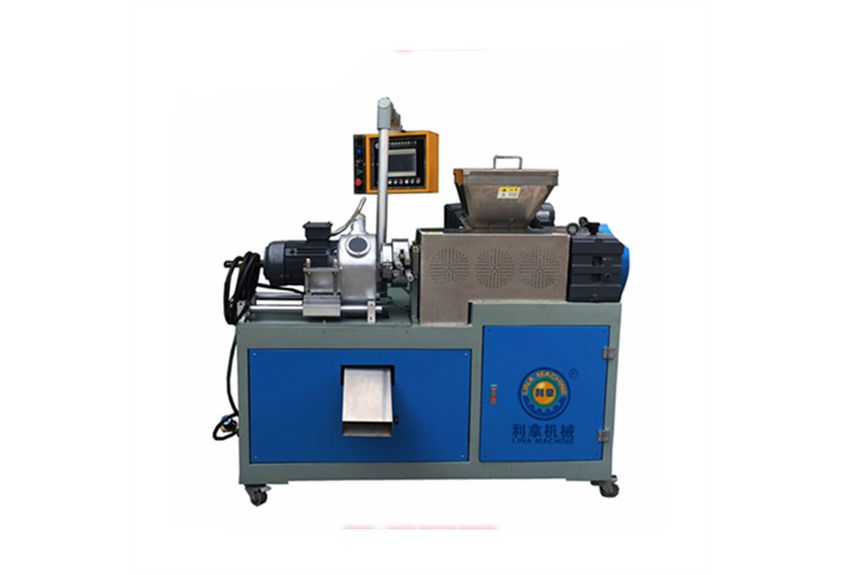
In addition to their technical capabilities, ceramic powder grinding machines also play a crucial role in environmental sustainability. By reducing the amount of waste generated during the grinding process, these machines help minimize the environmental impact of ceramic production. Furthermore, many modern models incorporate energy-efficient technologies, such as variable frequency drives and smart sensors, which further enhance their efficiency and reduce operating costs.
In conclusion, the ceramic powder grinding machine is a vital tool in the production of high-quality ceramic products. Its ability to control particle size distribution, handle a wide range of raw materials, and contribute to environmental sustainability make it an essential investment for any ceramic manufacturer looking to upscale their operations. As technology continues to advance, we can expect these machines to become even more sophisticated and efficient, ensuring that the world of ceramics remains vibrant and innovative for generations to come.